
DIE CHANGEOVER APPLICATIONS
Safe, controlled, and repeatable die changeover workflows for faster press setup, reduced downtime, and more efficient tooling movement.
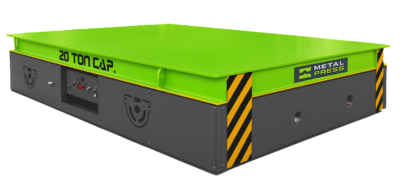
Industrial die changeover applications
TIER 1 DIE TOOLS MANUFACTURER
Die changeover is the process of removing one die or mold from production equipment and replacing it with another safely, accurately, and efficiently. In stamping plants, molding facilities, toolrooms, and other tooling-heavy environments, die changeover affects uptime, labor efficiency, operator safety, and the overall speed of production. When the changeover process is disorganized, it can create unnecessary downtime, increase handling risk, and expose high-value tooling to damage during movement, positioning, or setup.
MetalPress supports die changeover applications with equipment designed for moving, rotating, positioning, and staging heavy dies and molds more safely through the facility. Whether the job involves transferring tooling from storage to the press, rotating a die for setup preparation, staging tooling in the pressroom, or supporting faster movement between maintenance, toolroom, and production areas, the goal of a better die changeover system is always the same: reduce wasted time, improve handling control, and protect the tooling while getting the next job into place.

COMMON DIE CHANGEOVER APPLICATIONS
Storage-to-press die changeover
One of the most common die changing applications is moving tooling from storage into the press area for the next production run. In this workflow, the die must be transferred from a rack, shelf, or staging area to the production machine in a way that is stable, repeatable, and efficient. A well-organized die changeover system helps reduce time lost between jobs and supports safer movement of heavy tooling during setup.
Pressroom die changeover staging
Another major application is staging the next die near the press before the current run is complete. This type of pressroom die changeover workflow helps reduce changeover delays by preparing the next tool in advance. Instead of searching for equipment, repositioning tooling multiple times, or relying on ad hoc handling, the tooling can be moved, staged, and prepared in a more controlled way so the swap happens faster.
Toolroom-to-production die changeover support
Many facilities need a reliable way to move dies and molds from the toolroom into production as part of the changeover process. In this application, tooling may be cleaned, inspected, adjusted, or repaired before it is returned to the line. A strong die changeover application supports that movement between the toolroom and the press area while reducing unnecessary handling steps and helping the next production run start with the tooling in the correct position.
Maintenance-to-press return workflow
A die changeover application is also important when tooling is moving back from maintenance or repair into production. After adjustment, repair, or inspection work, the die must often be rotated, transferred, staged, and positioned for the next run. In this workflow, better die changeover equipment helps reduce handling bottlenecks and supports a smoother return from maintenance to active production.
High-mix production die changes
In high-mix production environments, changeovers happen more often, which makes setup speed and tooling movement even more important. Frequent product variation means the die changeover process must be more repeatable and better organized. A dedicated die changeover equipment workflow helps reduce delays, improve setup rhythm, and create a safer way to handle repeated die changes throughout the day.
Die changeover support in stamping and molding operations
Die changeover is especially important in operations where large tooling must move in and out of presses or molding equipment on a regular basis. In these environments, the application is not just about transport. It is about safely coordinating movement, positioning, orientation, and staging so the next die or mold can enter production with less downtime and less risk of tooling damage.
SELECTING THE RIGHT DIE CHANGEOVER
The best die changeover application depends on the tooling, the route, and the setup workflow
The right die changeover application depends on the size and weight of the tooling, the route it must travel through the facility, the number of changeovers per shift, and how the tooling is staged before entering the machine. Some facilities need a stronger process for moving tooling between storage and the press. Others need a better workflow for transferring dies from the toolroom, maintenance area, or staging zone into production. In high-changeover plants, the focus may be on reducing setup time and creating a more standardized flow from one job to the next.
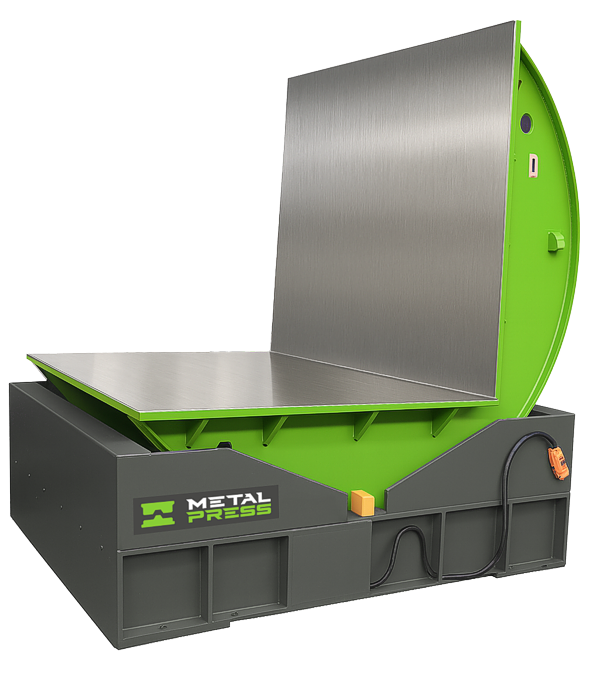
A strong die changing system should do more than move tooling. It should support safer handling, better positioning, faster preparation, and smoother transfer between the areas involved in setup. In many facilities, that means combining transfer, rotation, staging, and positioning into one coordinated process rather than treating every changeover as a separate lifting or transport event.
Why manufacturers choose MetalPress for die changeover applications
Manufacturers choose MetalPress for die change applications when they need safer tooling handling, more organized movement, and better changeover efficiency across the plant. A properly planned die changeover workflow helps reduce downtime, improve operator safety, protect tooling, and create a clearer path between storage, maintenance, toolrooms, and production equipment.
For facilities that deal with large dies, frequent tooling swaps, or high-value molds, die changeover is not just a maintenance issue. It is a production-speed issue, a safety issue, and a tooling-protection issue.
Frequently Asked Questions
Die changeover is the process of removing one die or mold from a machine and replacing it with another so the next production run can begin. It includes tooling movement, staging, positioning, and setup.
Common die changeover applications include storage-to-press transfer, pressroom staging, toolroom-to-production movement, maintenance return workflows, high-mix production changeovers, and repeated die changes in stamping or molding operations.
Die changeover is important because it affects downtime, labor efficiency, tooling safety, and the overall speed of production. A better die changeover process helps reduce setup delays and improves how quickly equipment can move from one job to the next.
Die changeover equipment reduces downtime by making tooling movement more organized, more repeatable, and less dependent on improvised handling. It helps stage the next die faster, improves positioning, and supports a smoother transition into the next setup.
Common equipment includes die transfer carts, die upenders, storage systems, staging areas, and other tooling-handling equipment used to move, rotate, and prepare dies or molds for production.
Safe tooling movement is important because dies and molds are heavy, expensive, and often difficult to handle in tight production spaces. Better control during die changeover helps reduce operator risk and lowers the chance of impact damage, shifting, or unstable movement.
Industries that benefit most include metal stamping, molding, injection molding, tool and die shops, high-mix production environments, and other facilities where heavy tooling changes happen regularly.