
Industrial Temperature Control Units
We offer mold water channel cleaning machines and hot oil and water temperature control units and air chillers and
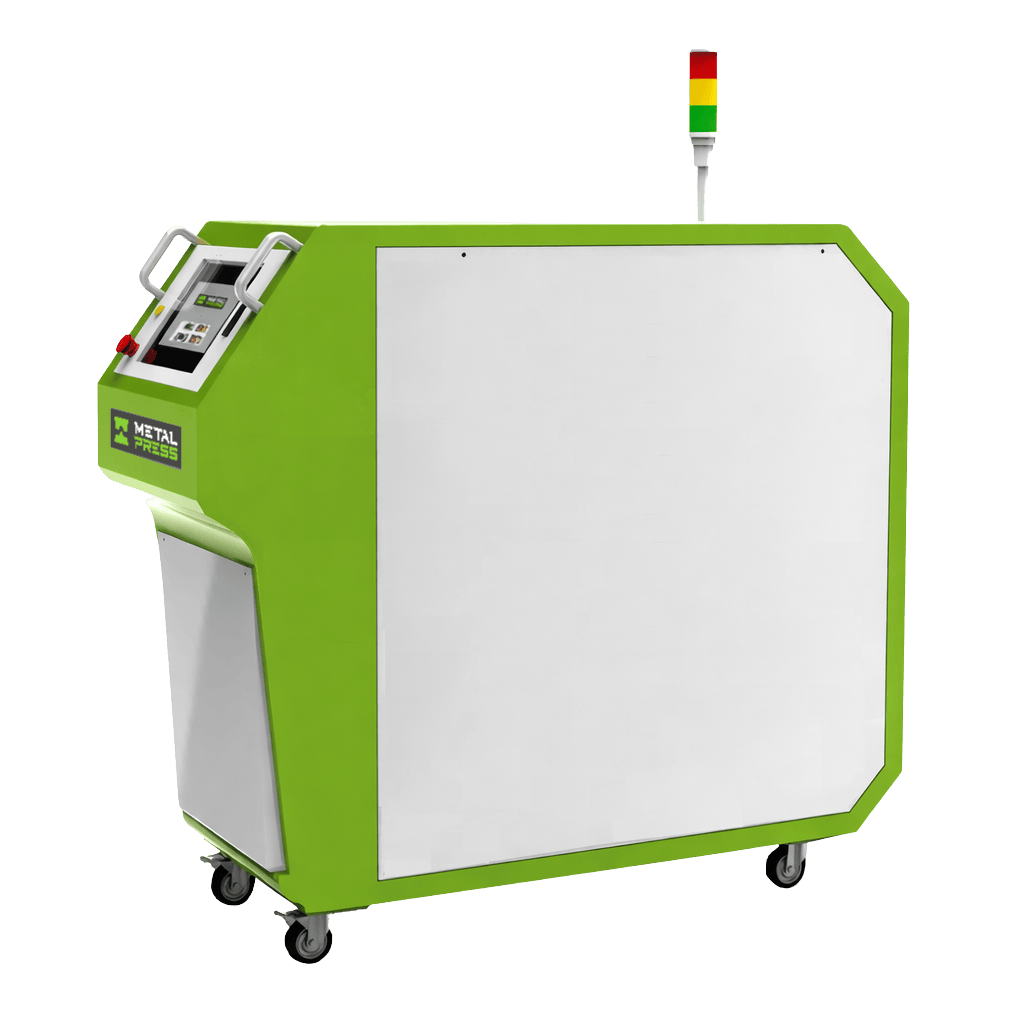


Mold Temperature Controllers for Industrial Applications
MetalPress industrial temperature control units (TCUs) circulate conditioned water or thermal oil through molds, dies, platens, rolls, jackets, and process equipment. By combining heating, cooling, pumping, sensing, and automatic control in one closed-loop system, a TCU maintains the target process temperature and helps improve cycle consistency, dimensional stability, surface finish, and production uptime.
A mold temperature controller—also called a mold temperature control unit—should be selected by heat-transfer fluid, required supply temperature, heater and cooling capacity, pump flow and pressure, circuit restriction, number of zones, and recovery time. A hot water temperature control unit is suited to injection molding, extrusion, rubber, blow molding, and other processes needing fast heat transfer at moderate temperatures. A hot oil temperature control unit supports higher-temperature molds, dies, platens, composite tooling, and die-casting applications.
Clean passages are essential to either system. The water channel cleaning unit removes scale, rust, and deposits that restrict flow through mold and die circuits. Use the temperature control unit applications hub and mold temperature controller selection guide to compare process requirements before sizing an industrial TCU.
Major Benefits and Features:
- Increased operator safety
- Extremely competitive pricing
- More standard features than any other competitor
- PLC control with color HMI
- Single, Dual or Triple Zone
- Job preset memory
- Heating and Cooling for maximum flexibility
- Solid, robust construction
- Durable flanged ball valves
- Auto exhaust function
- Multi-stage adjustable heating
- Remote diagnostics/troubleshooting via the internet
- Sealed system which does not allow oil to oxidize
- Integrated fault alarm and signal

Hot Oil Temperature Control Units
Hot oil temperature control units are usually used for applications requiring regulation of higher temperatures such as die casting, rubber, top press forming, printing, chemical process, etc.
Our THC-D dual zone units feature both heating and cooling and have an operating range of 140 - 570 ° F (60 - 300° C)
Hot Water Temperature Control Units
Hot Water - High Flow
Our Hot Water Temperature Control Units (THC-S Single Zone units) feature both heating and cooling and have an operating range of 140 - 570° F (60 - 300° C)

Choose the Right Thermal Solution
1. Hot Oil Temperature Control Units (THC-D Series)
Best for: Die Casting (Aluminum/Magnesium), High-Temp Composite Molding.
Performance: Capable of temperatures up to 300°C (Standard) or 350°C (High Temp) using magnetic drive pumps to prevent leakage.
2. Water Temperature Control Units (THC-HW Series)
Best for: Plastic Injection Molding, Rubber, and standard temperature applications.
Performance: Direct cooling design offers rapid response. Available in Standard (120°C) and High-Pressure (180°C) models.
3. Water Channel Cleaning Units
Best for: Maintenance and Efficiency Restoration.
Performance: Removes rust, scale, and calcium buildup from mold channels to restore original heat transfer coefficients and reduce cooling time.
Key Features
PID Microprocessor Control
Advanced PID algorithms calculate heating and cooling demand in real-time to maintain stable temperatures within ±0.5°C, preventing thermal shock to the die.High-Efficiency Pumps
Equipped with high-flow, high-pressure pumps (Magnetic Drive options available for Oil) to ensure turbulent flow through complex mold passages for maximum heat removal.Comprehensive Safety Systems
Standard features include phase reverse protection, pump overload relays, high-temperature limit switches, and automatic pressure relief bypass.Dual-Zone Capabilities
Available in single or dual-zone configurations to control stationary and moving manufacturing halves independently.
Applications and Industries Served
MetalPress temperature control units support injection molding, die casting, extrusion, thermoforming, rubber processing, composites, metalworking, printing, laminating, and general industrial process heating. An injection molding temperature controller typically prioritizes fast water circulation and repeatable mold temperature, while a die casting temperature control unit may require high-flow water or thermal oil depending on alloy, die temperature, heat load, and cooling strategy.
Compare requirements on the temperature control unit applications hub, then review the oil-versus-water TCU guide before selecting the heat-transfer medium, pump, heater, cooling capacity, and controls.
Frequently Asked Questions about TCUs
Q: Should I choose a Water or Oil Temperature Control Unit?
A: It depends on your required temperature. Water units are more efficient at heat transfer but limited to 180°C. Oil units are required for processes running up to 350°C (Die Casting).
For a full breakdown of efficiency vs. temperature limits, read our comparison on Oil vs. Water TCUs: Which is Right for Your Process?
Q: Why do I need a Water Channel Cleaning Unit?
A: Over time, cooling channels accumulate rust and scale (calcium). A layer of scale just 0.5mm thick can reduce heat transfer efficiency by 30-40%, causing longer cycle times and potential part warping. Regular cleaning restores your mold’s cooling performance to “like-new” conditions.
Q: Do your Oil Units leak?
A: Our premium THC-D Series Oil units feature Magnetic Drive Pumps. This seal-less design eliminates the mechanical seal—the most common leak point in standard oil units—ensuring a clean, safe, and leak-free production floor.
Expert Advice & Technical Resources
A temperature control unit helps manufacturers keep molds, dies, platens, and process equipment within a stable operating range. Buyers comparing industrial TCU options should consider whether the application needs hot oil, water, high flow, heating, cooling, or tighter process temperature stability. Important selection factors include temperature range, pump capacity, heater size, cooling method, control accuracy, safety features, and maintenance access. This helps connect temperature control equipment to real production goals such as part quality, cycle consistency, and reduced downtime.
Engineering Resources
Use these engineering guides to compare Temperature Control Units configurations, controls, applications, and equipment-selection considerations.