
DIE FLIPPER & DIE UPENDER APPLICATIONS
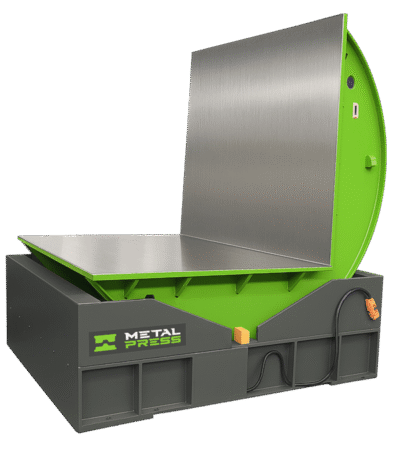
Industrial Die Flipper Applications
HEAVY-DUTY DIE FLIPPER MANUFACTURER
A die flipper rotates heavy stamping dies, molds, and tooling into a controlled position for inspection, cleaning, maintenance, repair, storage, or changeover preparation. The same equipment is frequently called a die upender, mold flipper, mold upender, die turner, or die rotation machine. The application is defined by the tool and required orientation—not by which synonym a plant uses.
This page covers rotation workflows and selection inputs. For capacities, standard table sizes, machine options, and quotation data, use the MetalPress MDR die flipper and mold flipper product page. A properly selected system supports the load through the turning cycle, improves access to critical tool surfaces, and reduces dependence on unstable crane or forklift methods.
GET A FREE QUOTE TODAY
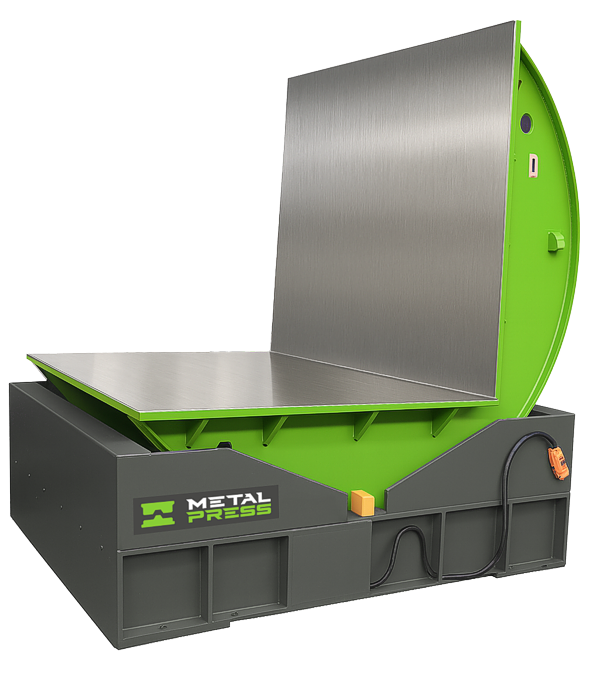
COMMON DIE & MOLD FLIPPER APPLICATIONS
Die rotation for inspection, cleaning, and repair
Stamping dies often need to be turned so technicians can access wear surfaces, shut faces, punches, guides, and lower tooling. A die flipper provides a repeatable rotation path for maintenance and inspection while the tool remains supported.
Mold rotation for injection molding and die casting
A mold flipper—also called a mold upender—positions injection molds or die-casting molds for cleaning, plate service, cavity inspection, assembly, and storage. Tool weight, parting-line orientation, center of gravity, and maintenance access determine the required configuration.
Changeover and press-staging preparation
Before a tool enters or leaves a production machine, it may need a defined orientation for a die cart, rack, crane, forklift, or press interface. A die flipper can connect the rotation step to transfer and staging so the sequence is easier to standardize.
Storage and shelving orientation
Dies and molds may need to be turned before placement on racks or shelves. Controlled rotation helps protect edges and working surfaces and reduces uncontrolled load shift during storage preparation.
Integrated die- and mold-handling systems
Many plants combine a die or mold flipper with transfer carts, racks, maintenance stations, die splitters, or spotting presses. The equipment should be selected as one workflow, with compatible heights, supports, clearances, and controls.
SELECTING THE RIGHT DIE FLIPPER APPLICATION
Match the machine to the tool—not only the terminology
Whether your team calls the machine a die flipper, mold flipper, die upender, or mold upender, sizing begins with the maximum tool weight and dimensions, center of gravity, required rotation angle, loading method, support surfaces, final orientation, available floor space, and cycle frequency.
Protect tooling and operators through controlled rotation
A heavy-duty die flipper should support the tool throughout the cycle, provide smooth starts and stops, define the operator position, and match the safeguarding strategy. Optional tables, surface protection, scanners, controls, and bases should be evaluated against the real load and facility.
Use the product page for commercial selection
The application guide explains where and why the equipment is used. The MDR industrial die flipper and mold flipper page is the primary source for standard capacities, table dimensions, machine construction, options, and quotation inputs.
Frequently Asked Questions
A die upender is used to rotate heavy dies, molds, and tooling safely from one position to another for maintenance, inspection, cleaning, storage, transfer, and setup. It helps improve operator safety and makes tooling rotation more controlled and repeatable.
The most common die upender applications include die rotation for maintenance and repair, tooling inspection and cleaning, die positioning for press changeovers, mold rotation for storage, toolroom handling of large dies and molds, and integration with die transfer carts and die racks.
In most industrial applications, both terms refer to equipment used to rotate heavy tooling safely. Die upender, die flipping equipment, and die rotation equipment are often used to describe the same type of controlled tooling-turning process.
A dedicated die upender supports the tooling during the full turning cycle and helps control the load more consistently. This reduces the risks associated with shifting, unstable lifting, accidental impact, and uneven manual handling when rotating heavy dies and molds.
Yes. A die upender can be used for stamping dies, molds, trim tools, and other heavy tooling that needs controlled rotation for maintenance, storage, setup, or transfer preparation.
Die rotation is important because large tooling often needs to be turned into the correct position before it can be cleaned, inspected, repaired, stored, transferred, or loaded into production equipment. Controlled rotation improves safety and makes these workflows more efficient.
Yes. A die upender is often used alongside die transfer carts, die racks, storage systems, and press setup areas to create a smoother and safer tooling-handling workflow across the facility.
Expert Advice: Define the Entire Rotation Workflow
Document how the die or mold arrives, how it is supported, which face must be accessible, and where it goes next. A reliable die-flipping application includes loading, rotation, operator position, unloading, transfer, and maintenance—not just the 90-degree motion.
Review the MDR die and mold flipper for capacities and options, then use the die flipper safety guide to evaluate guarding, controls, and maintenance access.