

Blog
Die Flipper Safety Features for Heavy Die and Mold Rotation

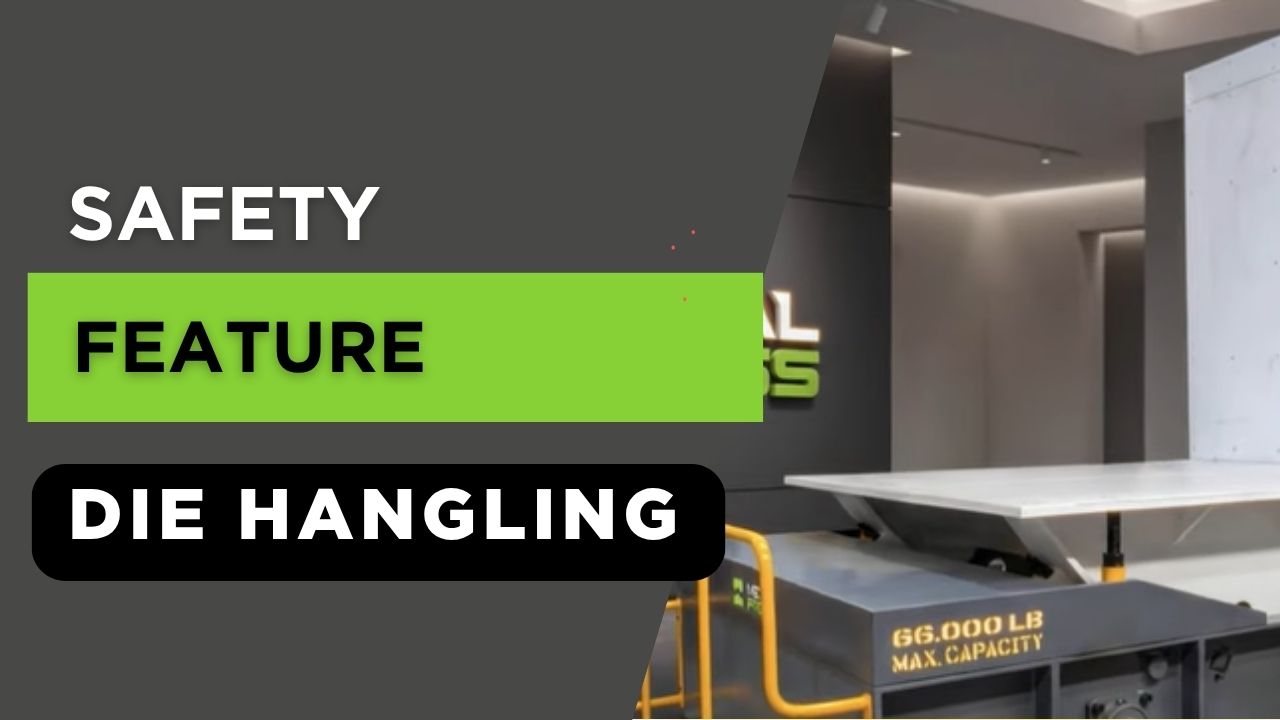
Short answer: a die flipper reduces risk by supporting a die or mold through controlled rotation. Also called a die upender or mold flipper, the machine should combine stable load support, guarded pinch points, emergency stops, rated capacity, and safe maintenance access.
This safety-focused guide links to the die upender applications guide, die transfer cart applications, and die changeover applications so rotation, transport, alignment, and press loading can be evaluated together.
Why Heavy Die Turning Is Risky Without the Right Equipment
Dies and molds are dense, heavy, and expensive. When a team turns them with improvised methods, the risks can include dropped loads, pinch points, tooling damage, unstable rigging, and unpredictable movement around forklifts or cranes.
A heavy die turning system is designed to make that rotation controlled and repeatable. The goal is not only to move the load, but to remove uncertainty from the process.
Review die and mold flipper equipment
For safer die rotation, review the MetalPress Die Upender product page, the Die & Mold Handling Applications page, or send your load data through the Die Upender quote request page.
Essential Safety Features
- Rated frame and load support: the structure must match the die weight, dimensions, and center of gravity.
- Controlled rotation: movement should be smooth, predictable, and appropriate for the load.
- Emergency stop controls: operators need quick access to stop motion when conditions change.
- Guarded pinch points: the machine should reduce exposure to moving parts and crush zones.
- Stable operator position: controls should keep the operator outside the rotation hazard area.
- Clear capacity labeling: operators should know the machine rating before loading.
- Maintenance access: inspection points should support safe service and lockout procedures.
How Die Flippers Reduce Risk
A die flipper or die upender reduces risk by replacing improvised motion with an engineered rotation path. The die is supported by the machine rather than balanced through a forklift, crane, or manual process.
This can reduce load shift, improve access for maintenance teams, and make the process easier to train. A repeatable turning process also helps supervisors identify when something is abnormal.
Safety in Die Maintenance and Changeover
Die maintenance often requires access to surfaces that are difficult to reach in the normal storage or production orientation. A die upender can rotate the tool into a better working position for cleaning, inspection, polishing, repair, or assembly.
During changeover, a die upender can support staging and orientation before the die is moved into its next operation. Plants should still evaluate the entire handling sequence, including cranes, carts, forklifts, storage racks, and press access.
Questions to Ask Before Buying
| Question | Why it matters |
|---|---|
| What is the heaviest die or mold? | Determines machine rating and safety margin. |
| Where is the center of gravity? | Affects stability and rotation behavior. |
| How will operators load and unload? | Determines cart, forklift, crane, or table integration. |
| What maintenance tasks are performed? | Helps define working height, access, and final orientation. |
| What site safety standards apply? | Guides controls, guarding, training, and lockout procedures. |
Do Not Treat Safety as an Accessory
For heavy die turning systems, safety is not a separate add-on. It is part of the structure, controls, guarding, access, and workflow. The right machine should make the safe method the easiest method for operators to follow.
Need equipment sized for your plant?
Share your die weight, dimensions, rotation needs, and handling method. MetalPress can help evaluate a safer die upender configuration for your plant.