

Blog
Mold Temperature Controller Selection Guide: Temperature, Flow, Media & Process Requirements

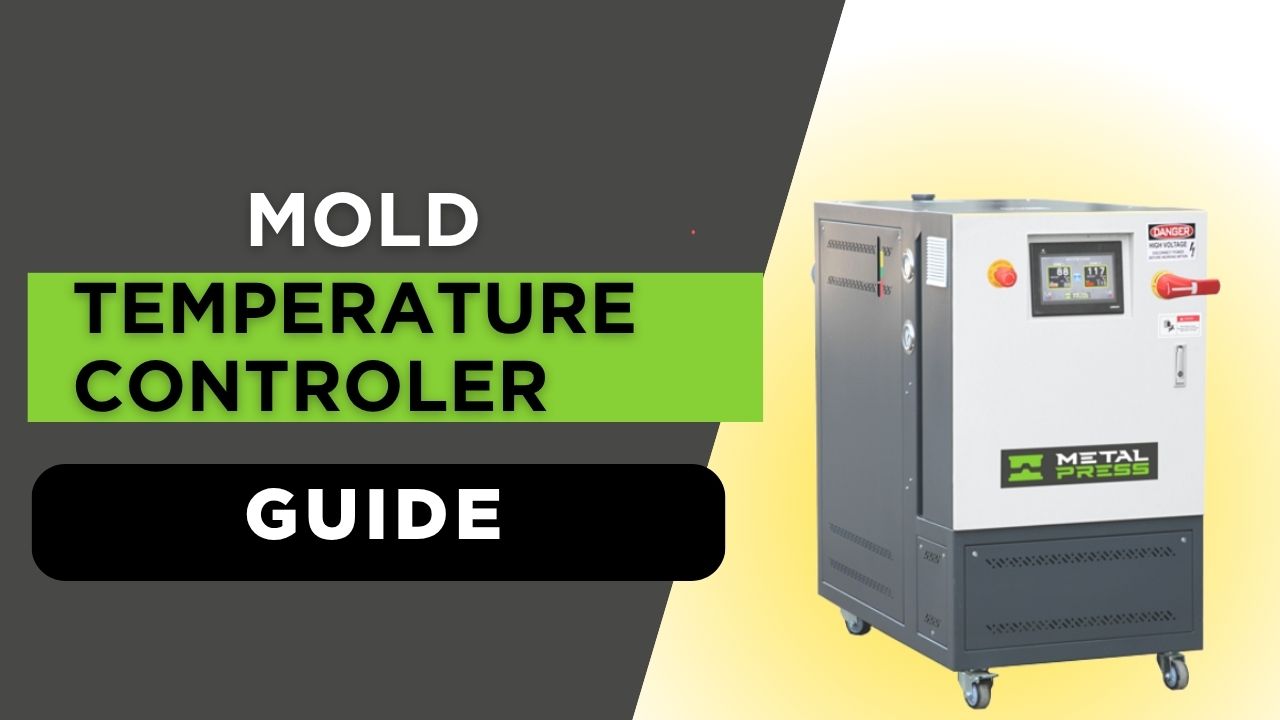
How Do You Select a Mold Temperature Controller?
Direct answer: select a mold temperature controller by matching the process temperature, heating and cooling load, circulating fluid, required flow and pressure, channel resistance, mold construction, utilities, controls, safety, and production schedule. The unit must control heat transfer through the complete circuit—not simply reach a temperature setpoint.
A reliable selection starts with the mold or tool, process material, startup target, steady-state heat load, cycle variation, circuit geometry, and allowable temperature difference. Use the Industrial Mold Temperature Controllers hub for the application overview, then consult the focused oil-versus-water TCU comparison and die-casting TCU sizing guide when those decisions apply.
Use the calculations in this guide to compare the actual hot oil temperature control units and hot water temperature control units. The industrial mold temperature controller page organizes application choices, while the TCU product hub remains the broad commercial destination.
Six Inputs That Define the Temperature Control Unit
The correct TCU is determined by the thermal circuit and production requirement. Document these six inputs before comparing water, high-flow water, pressurized-water, or hot-oil systems.
Process Temperature
Define startup, normal operating, maximum, and upset temperatures together with warm-up time and allowable temperature variation.
Heating & Cooling Load
Calculate mold mass, material throughput, heat entering or leaving the process, ambient losses, cycle changes, and required recovery time.
Water or Thermal Oil
Choose the circulating medium using temperature range, heat-transfer performance, pressure, oxidation, maintenance, safety, and plant standards.
Flow & Circuit Resistance
Document channel diameter, length, manifolds, hoses, fittings, elevation, parallel circuits, required turbulence, pressure drop, and pump duty.
Controls & Process Data
Specify supply and return temperature, flow, pressure, alarms, recipes, communication, logging, remote support, and integration requirements.
Utilities & Maintenance
Confirm electrical power, cooling-water quality, filtration, ventilation, fluid management, access, cleaning, spare parts, and service expectations.
Temperature Control Unit Families
Water and hot-oil systems serve different temperature ranges and process priorities. These existing product pages remain unchanged; the cards link to them for equipment-level details after the thermal requirements are defined.


Water vs. Oil: Selection Factors Beyond Maximum Temperature
Maximum temperature is important, but the decision also depends on heat-transfer efficiency, system pressure, pump performance, fluid stability, contamination risk, maintenance practices, safety, environmental requirements, and the plant’s established operating procedures. Read the full Oil vs. Water TCU guide for a dedicated comparison.
Efficient Heat Transfer
Water provides strong heat-transfer performance and is widely used where the required temperature and pressure fit the system design.
Pressure & Flow
High-flow or pressurized-water systems can extend the useful range when the circuit, components, safeguards, and plant standards support it.
Higher Temperatures
Thermal oil is considered for higher-temperature work where fluid selection, oxidation control, heating design, ventilation, and maintenance are addressed.
Channel Performance
A high temperature rating cannot compensate for insufficient flow, excessive pressure drop, blocked passages, poor manifolding, or unbalanced circuits.
Supply and Return Data
Monitoring both sides of the circuit helps reveal thermal load, restrictions, process changes, unstable flow, and loss of heat-transfer performance.
Lifecycle Requirements
Compare filtration, cleaning, fluid replacement, heaters, pumps, seals, valves, sensors, documentation, spare parts, and service access.
Match the Mold Temperature Controller to the Process
The same temperature controller can behave differently depending on mold mass, material throughput, circuit design, cycle time, and the heat added or removed by the process. Use these application pages to connect TCU selection with the real production environment.
Continuous Processing and Maintenance
Mold Temperature Controller RFQ Checklist
A useful quotation requires enough information to calculate heat load, pump duty, fluid compatibility, cooling demand, controls, and installation scope. Provide the data below rather than requesting a unit by temperature alone.
Process, Mold & Thermal Data
- Process, material, mold, and tool description
- Mold mass, production rate, and cycle profile
- Startup, operating, and maximum temperatures
- Heating, cooling, and recovery requirements
- Allowed temperature variation and quality limits
Circuit, Utility & Control Data
- Fluid, channel, hose, manifold, and flow data
- Pressure drop and pump requirements
- Electrical and cooling-water utilities
- Controls, recipes, communication, and alarms
- Safety, filtration, maintenance, and installation
How to Compare a Mold Temperature Controller Manufacturer and Supplier
Compare suppliers on the completeness of the thermal calculation and circulating-system design—not only heater kilowatts and maximum temperature. Confirm the proposed pump can deliver the required flow through the actual circuit and that the cooling method can remove the process load under real plant-water conditions.
A complete commercial review should define heaters, pump curves, cooling capacity, valves, sensors, controls, alarms, filtration, fluid compatibility, pressure ratings, safety devices, testing, documentation, installation responsibilities, training, warranty, spare parts, and long-term technical support.
Mold Temperature Controller FAQs
A mold temperature controller circulates water or thermal oil through a mold, die, tool, roll, jacket, or process circuit while adding or removing heat to maintain a controlled operating temperature.
Choose using the required temperature, heat-transfer performance, system pressure, flow, fluid stability, safety, maintenance, environmental requirements, and plant standards. Temperature alone is not enough.
Sizing requires the startup and steady-state heat loads, mold mass, material throughput, cycle, target temperatures, recovery time, flow, pressure drop, cooling-water conditions, and required control accuracy.
The unit must move enough fluid through the real circuit to produce effective heat transfer. Small channels, long hoses, fittings, manifolds, scale, and blocked passages can create pressure drop and reduce flow.
Heater capacity determines how quickly the system can add heat, while cooling capacity determines how much process heat can be removed. Both must match startup, production, and disturbance conditions.
Provide the process, mold or tool data, material, temperatures, mold mass, production rate, heat load, fluid, channels, flow, pressure drop, utilities, cooling-water conditions, controls, safety, and installation requirements.
Expert Advice
Do not select a mold temperature controller by maximum temperature and heater kilowatts alone. A unit can reach the setpoint and still fail in production if the pump cannot overcome circuit resistance, the cooling method cannot remove the process load, the fluid is unsuitable, or the mold channels are restricted. Define the complete thermal circuit, then verify heating, cooling, flow, pressure, controls, safety, and maintenance as one system.