

Blog
An MIW-T-130 Hydraulic Ironworker for a Home-Appliance Manufacturer in Chicago

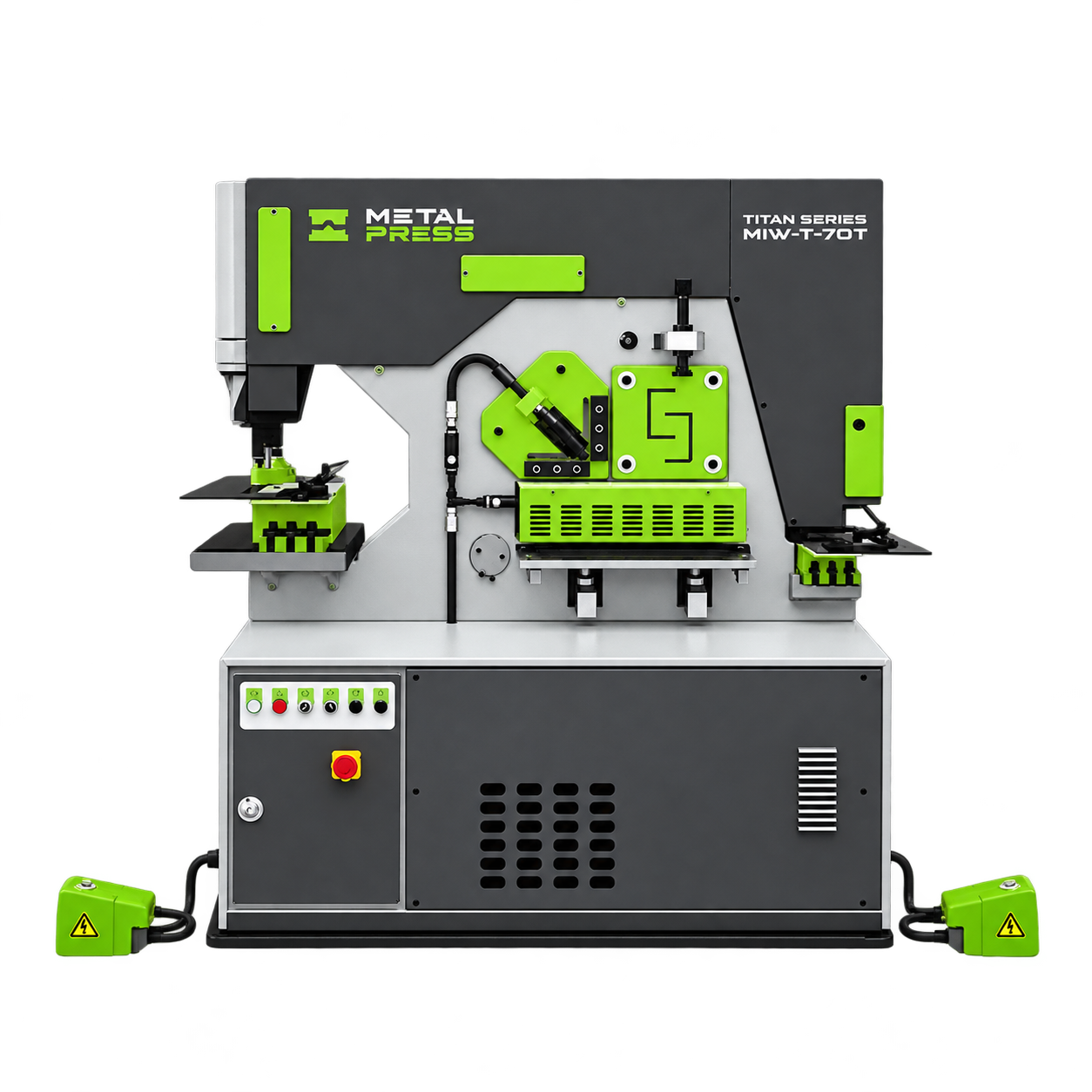
A Machine Selected Around the Work
For a home-appliance manufacturer in Chicago, Illinois, the project began with a practical production requirement: prepare metal components through coordinated cutting, punching and notching operations. The selected machine was a MetalPress MIW-T-130 hydraulic ironworker, supplied through a project covering application review, production, pre-shipment preparation, delivery and installation.
The order is now complete. From the initial planning discussions to installation at the customer’s facility, the focus remained on matching the machine to the manufacturer’s metal-fabrication work.
Starting with the Components, Not Just the Machine
Home-appliance manufacturing involves more than the visible exterior of a finished product. Supporting frames, mounting brackets and other fabricated components can require several preparation operations before assembly.
For this project, the application review provided the starting point for selecting the MIW-T-130. Material dimensions, part geometry, hole requirements and the intended workflow are important considerations when specifying a hydraulic ironworker—not simply the machine’s headline capacity.
A hole-punching operation, for example, must be evaluated against material thickness, hole diameter, tooling and access. Cutting and notching requirements also need to be checked against the relevant station ratings. Treating these as separate engineering requirements helps establish a useful machine configuration for the work.
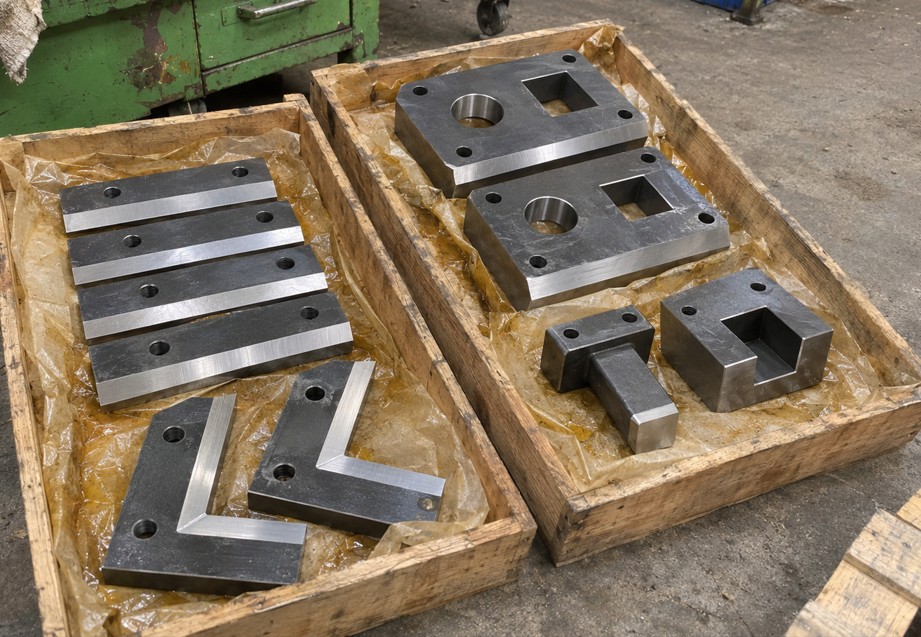
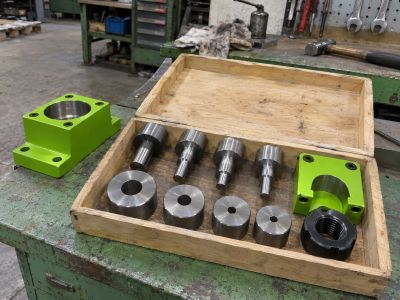
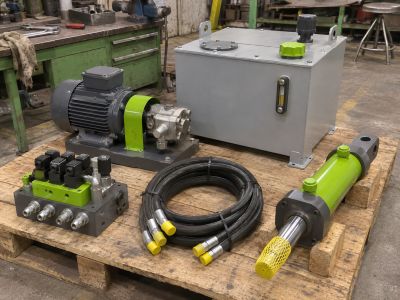
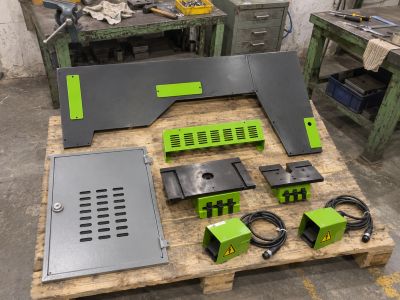
Bringing Cutting, Punching and Notching Together
The MIW-T Series hydraulic ironworker brings multiple metalworking operations into one machine platform. Its role is distinct from that of a press brake or guillotine shear: an ironworker supports the preparation of suitable plate, bar and section components through its individual working stations.
For an appliance manufacturer, that makes the machine relevant to supporting fabrication work such as bracket preparation, mounting features and compatible bar or angle components. The suitability of each part still depends on its material, dimensions and required tooling.
This is also why a hydraulic punching and shearing machine should be selected around the intended operations. A versatile platform is most useful when the individual stations fit the manufacturer’s actual component requirements.
For related fabrication considerations, see metal brackets, gussets and mounting plates.
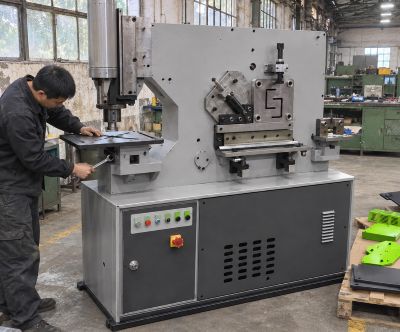
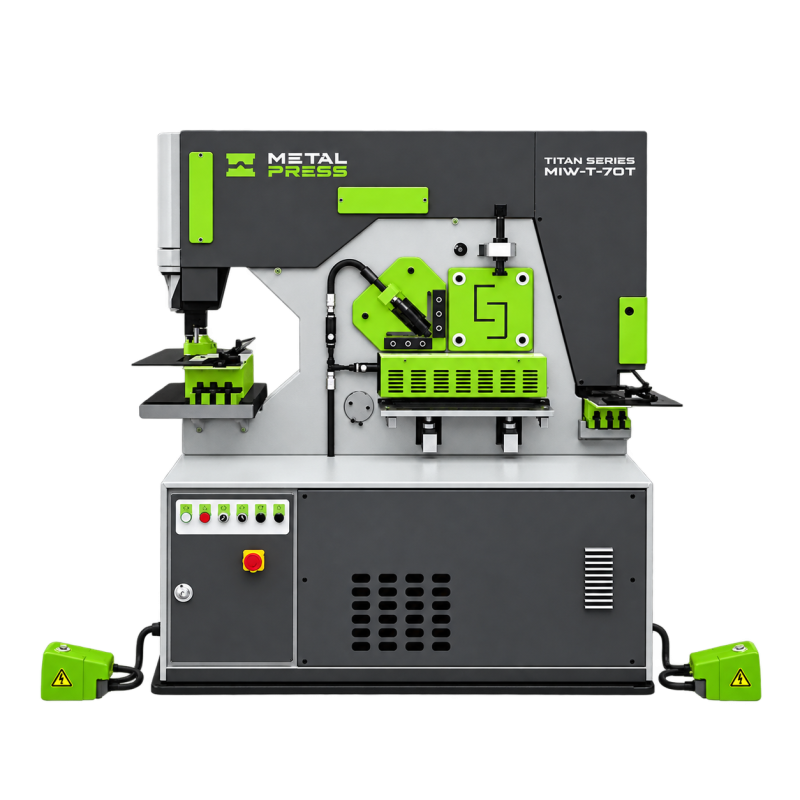
MIW-T-130 Hydraulic Ironworker
Hydraulic ironworker for compatible punching, shearing and notching operations.
Review individual station ratings and tooling requirements on the MIW-T product page.
MIW-T Series product image; project photographs will be added separately.
From Production to Pre-Shipment Preparation
Following the application and configuration stage, the MIW-T-130 moved through production and pre-shipment preparation.
This stage connects the ordered machine with the equipment that will arrive on the customer’s shop floor. Machine identification, the supplied configuration and the information needed for installation and operation all form part of that handover.
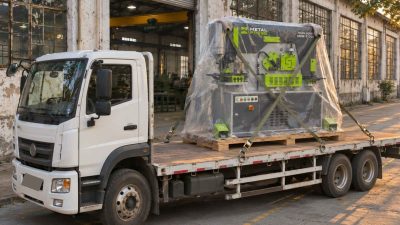
Delivery and Installation in Chicago
The project continued through shipment to Chicago and installation at the home-appliance manufacturer’s facility.
Installation marks an important transition: the equipment moves from a supplied machine to part of the customer’s production environment. Positioning, working access and material movement matter alongside the machine itself. Operators need room to present workpieces to the appropriate station and handle finished components without obstructing surrounding activities.
With installation completed, the order reached its final project milestone. The MIW-T-130 was in place at the customer’s facility, completing the journey from application review through manufacturing and delivery.
One Project, a Connected Fabrication Workflow
This Chicago project illustrates the value of selecting a hydraulic ironworker machine around the work it needs to perform. Punching, shearing and notching are related operations, but each places different demands on the material, tooling and machine station.
The MIW-T-130 order brought those considerations into one equipment project—from the initial application review to completed installation. For manufacturers evaluating similar equipment, the most useful starting point is a representative set of parts, supported by material specifications, dimensions and production requirements.
Explore the MIW-T Series hydraulic ironworker for station-specific specifications and configuration information.