
Mold & Die Testing Equipment
Compare die splitter and tester machines, hydraulic die spotting presses, and servo-hydraulic mold tryout presses by the maintenance, inspection, and verification task.
EQUIPMENT SELECTION GUIDE
Mold and Die Testing Equipment: Choose the Right Machine for the Task
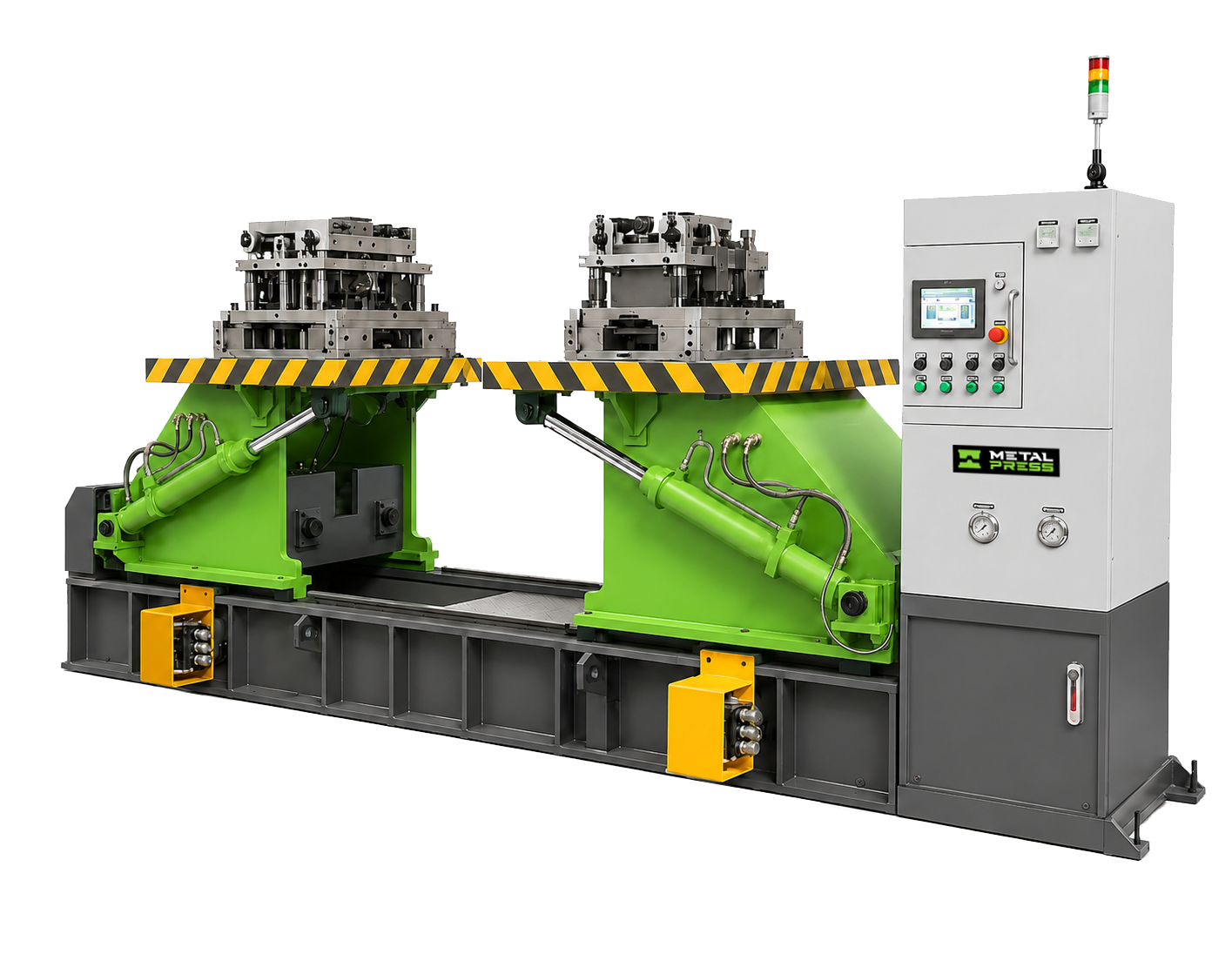
Mold and die testing equipment helps toolrooms inspect, maintain, verify, and prepare tooling before it returns to production. The correct machine depends on the job: a die splitter and tester opens and separates tooling for internal access, while a hydraulic die spotting press and mold tryout press closes tooling under controlled force to verify contact, alignment, fit, and function.
01 · OPEN & INSPECT
Die Splitter and Tester
Choose a die splitter machine when technicians need safe access to internal die or mold components for cleaning, inspection, repair, core and ejector testing, cooling-circuit checks, or tool reassembly. It is a die separator and mold splitter—not a spotting press—and supports maintenance work without uncontrolled manual separation.
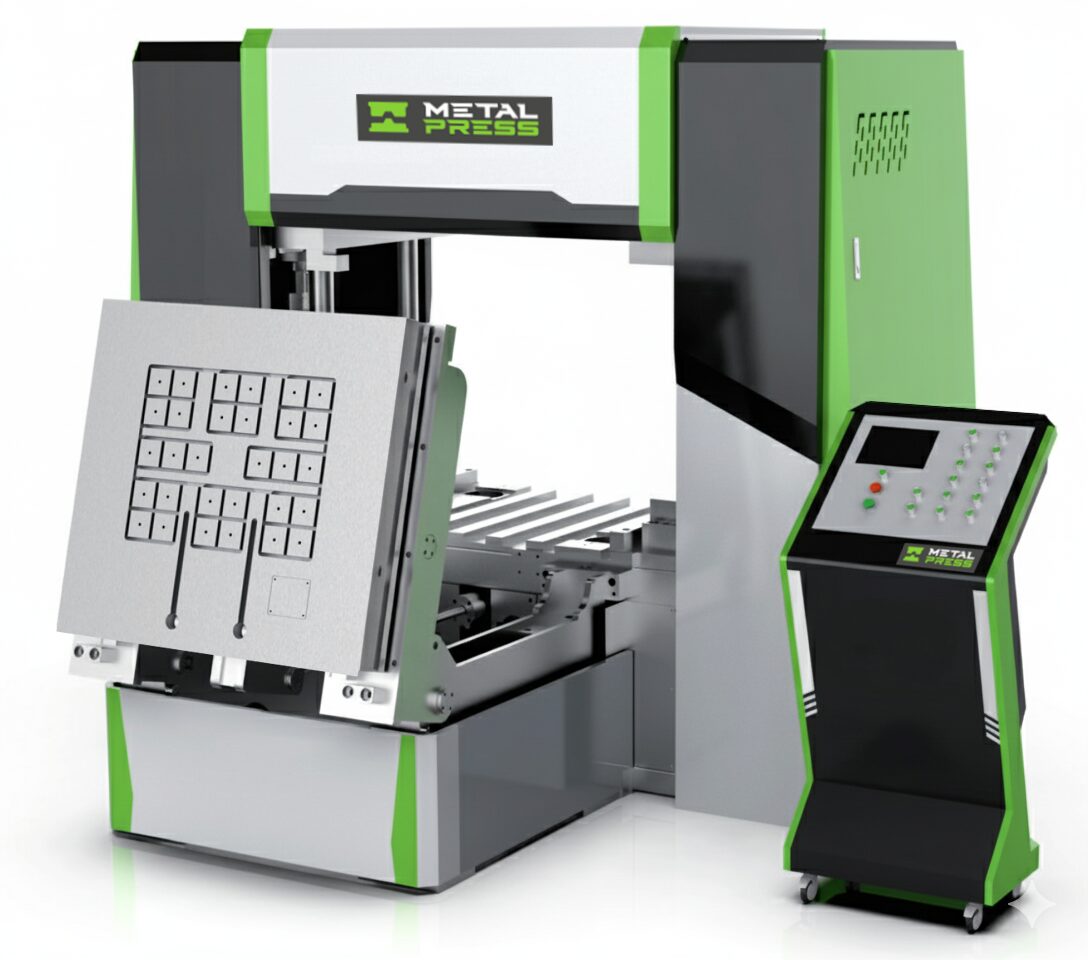
02 · CLOSE & VERIFY
Hydraulic Die Spotting Press
Choose a die spotting press when the primary goal is controlled closing, die or mold contact verification, parting-line inspection, alignment, tryout, adjustment, and proofing. Buyers should compare required tonnage, platen or bed size, daylight opening, stroke, shut height, operating speed, platen access, parallelism, and distance control against the tooling envelope and inspection process.
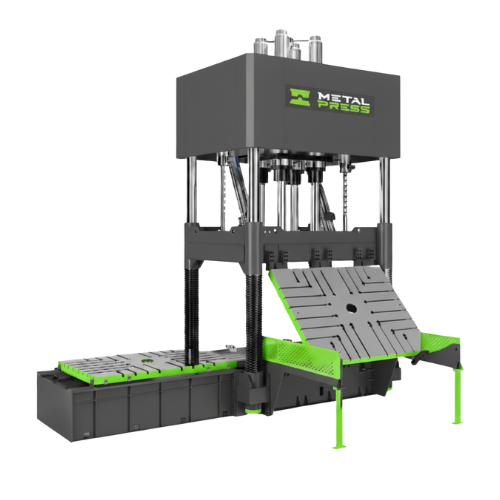
03 · PROGRAM & REPEAT
Servo-Hydraulic Spotting
For applications that require programmable platen motion and highly controlled positioning, review the dedicated servo-hydraulic die spotting press. Keeping this configuration separate makes it easier to compare a standard hydraulic spotting solution with servo-hydraulic control.
Engineering Resources for Mold and Die Teams
Learn the workflow in our die spotting process guide, review the role of spotting equipment in mold and die shops, or read our guide to die maintenance and its effect on production cost. MetalPress can evaluate tool weight, footprint, access, testing steps, safety requirements, and plant layout to recommend the appropriate equipment.