WATER CHANNEL CLEANING FOR DIE-CASTING MOLDS AND DIES
Water channel cleaning solutions for die-casting molds and dies, restored coolant flow, better heat transfer, shorter cycle times, and more stable production performance.

INDUSTRIAL WATER CHANNEL CLEANING FOR DIE-CASTING MOLDS AND DIES
Die-casting molds and dies depend on efficient internal cooling to maintain stable mold temperature, control cycle time, and protect tooling life. Over time, cooling circuits collect scale, corrosion, sludge, mineral deposits, rust, and other contamination that restrict flow and reduce heat-transfer efficiency. As cooling performance declines, mold temperatures become less stable, cooling times increase, and production quality becomes harder to control.
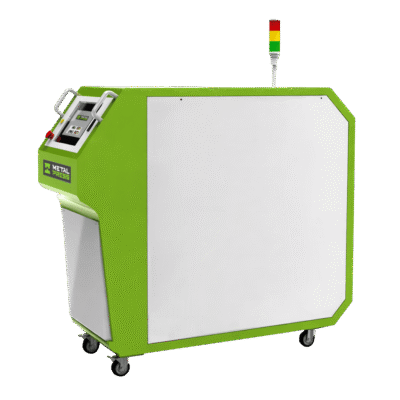
A dedicated water channel cleaning unit restores the internal cooling performance of die-casting molds and dies by thoroughly flushing and cleaning internal water channels. The MDM Series is positioned for die-casting molds, injection molds, and tooling systems, with controlled cleaning cycles designed to restore proper coolant flow, stabilize mold temperature, shorten cycle times, improve part quality, and reduce unplanned downtime.
GET A FREE QUOTE TODAY
THE RIGHT CLEANING SOLUTION FOR DIE-CASTING MOLDS AND DIES
WATER CHANNEL CLEANING UNIT
A water channel cleaning unit is the core solution for die-casting molds and dies when internal cooling passages have lost efficiency because of buildup inside the circuit. Controlled flushing cycles remove scale, corrosion, sludge, mineral deposits, and debris that narrow internal passages and reduce coolant circulation. By restoring proper flow, the cleaning process helps bring the die back to more stable thermal performance and better heat-transfer efficiency.
For die-casting operations, this makes the water channel cleaning unit more than a maintenance tool. It becomes a process-efficiency machine that helps reduce cooling cycle duration, improve overall production throughput, support more stable mold temperature, and maintain better part quality. The MDM Series is also described as heavy-duty, automated, and safety-focused, making it a strong fit for continuous industrial use.
CLEANING COMPLEX COOLING CIRCUITS
Die-casting molds often include cooling circuits that are difficult to restore with manual flushing alone, especially when channels are long, narrow, or heavily contaminated. A dedicated cleaning system uses controlled flow, pressure, and circulation to dislodge contamination more effectively and flush it out more completely. That creates a more repeatable cleaning result and reduces the guesswork that often comes with manual maintenance methods.
This is especially important when restricted coolant flow is already causing overheating, unstable mold temperatures, longer cycle times, or part-quality variation. Restoring the internal channel diameter and cooling flow helps the die return to a more stable and efficient operating condition.
PREVENTIVE MAINTENANCE FOR DIE-CASTING MOLDS
A strong application for this machine is preventive maintenance on die-casting molds and dies before cooling performance has already dropped too far. Regular cleaning helps reduce internal buildup before it creates larger production problems, supports more predictable maintenance scheduling, and helps keep tooling in better condition over time.
The MDM Series is positioned as an essential tool for mold shops, injection-molding facilities, die-casting plants, and any operation that depends on precise cooling performance. By maintaining clean cooling channels, the machine helps reduce scrap rates, minimize mold-related downtime, and support more consistent thermal control across production.
SELECTING THE RIGHT WATER CHANNEL CLEANING SOLUTION FOR DIE-CASTING MOLDS AND DIES
THE BEST WATER CHANNEL CLEANING SOLUTION DEPENDS ON THE DIE, THE COOLING CHANNEL DESIGN, AND THE LEVEL OF FLOW RESTRICTION
Choosing the right water channel cleaning solution for die-casting molds and dies depends on the size of the tool, the design of the internal cooling circuit, the amount of contamination inside the channels, and how much cooling performance has already been lost. Some die-casting operations need routine cleaning to prevent scale and corrosion from restricting the channels over time. Others need a stronger restoration process because reduced coolant flow is already increasing mold surface temperatures, slowing cooling, and creating unstable production conditions.
A strong cleaning system should do more than circulate water through the die. It should restore internal flow, improve heat-transfer efficiency, reduce overheating caused by restricted coolant flow, and support better thermal stability across the full production cycle. When cooling performance is restored, the process becomes easier to control and the die becomes easier to protect from long-term thermal stress.
WHY DIE CASTERS CHOOSE METALPRESS
Die casters choose MetalPress because the MDM Series is aligned with the real thermal-maintenance problems found in die-casting operations: blocked cooling channels, unstable mold temperature, reduced heat exchange efficiency, longer cycle times, and avoidable downtime. A dedicated water channel cleaning unit gives operators a more controlled and repeatable way to restore cooling performance without relying on inconsistent manual flushing methods.
This type of solution is especially valuable in operations where mold cooling performance has a direct effect on part quality, cycle time, and tooling life. Instead of accepting declining cooling performance as a gradual production problem, internal channel cleaning becomes a direct way to recover efficiency, stabilize the process, and protect long-term die performance.
NEED HELP MATCHING THE RIGHT CLEANING SOLUTION TO YOUR DIE-CASTING MOLD MAINTENANCE PROCESS?
If you already know the tool size, the cooling issue, or the maintenance challenge, the next step is simple: choose the cleaning solution that best fits the job and continue to the product page to request a quote.
If you are still evaluating the best setup for water channel cleaning, cooling flow restoration, preventive mold maintenance, heat-transfer improvement, or cycle-time reduction through better thermal performance, use the sections above to narrow the options first. The goal is to help you reach the right solution faster, with less guesswork and a clearer path to the machine that fits your maintenance workflow.