

Blog
How to Clean Mold Cooling Channels: Flushing, Descaling and Verification


Restricted cooling passages can lengthen cycle time, create hot spots, destabilize mold temperature, and increase part variation. This guide explains how to clean mold cooling channels, how to distinguish flushing from descaling, how to compare manual and automatic methods, and how to verify flow before and after cleaning.
Use this article for the maintenance process. For commercial equipment specifications, sizes, features, and quotation details, go to the MDM water channel cleaning unit product page. For use cases by process and industry, use the mold and die cooling-circuit application hub.
Why Mold Cooling Channel Cleaning Matters
Mold water lines remove heat only when fluid can circulate through the intended passage area. Mineral scale, rust, corrosion products, sludge, debris, and biological buildup reduce effective diameter and increase pressure loss. The result can be lower flow, uneven surface temperature, longer cooling time, warpage, sink marks, dimensional instability, scrap, and unplanned maintenance.
Cleaning should therefore be measured as a change in circuit condition—not described only as “flushing.” Record the circuit identity, flow, pressure behavior, temperature symptoms, and production effect before work begins.
Symptoms of Restricted Mold Water Lines
- Measured flow has fallen from the clean baseline.
- Pressure drop is higher through one circuit than comparable passages.
- The mold develops hot spots or cavity-to-cavity temperature variation.
- Cooling time, cycle time, warpage, sink marks, or dimensional variation increase.
- Rust, scale, sediment, or biological contamination appears during drainage.
- The same passage repeatedly triggers alarms or requires manual flushing.
Before blaming the mold, rule out closed valves, kinked hoses, incorrect manifolds, damaged fittings, pump or TCU limitations, and sensor error. See blocked-circuit diagnosis and flow restoration for a structured troubleshooting path.
Choose the Right Mold Channel Cleaning Equipment
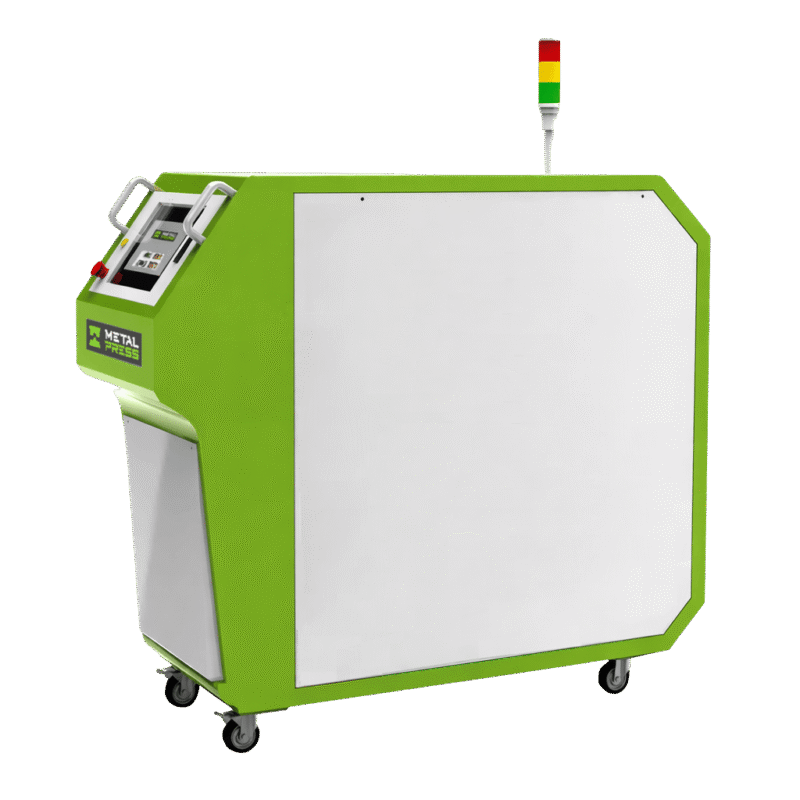
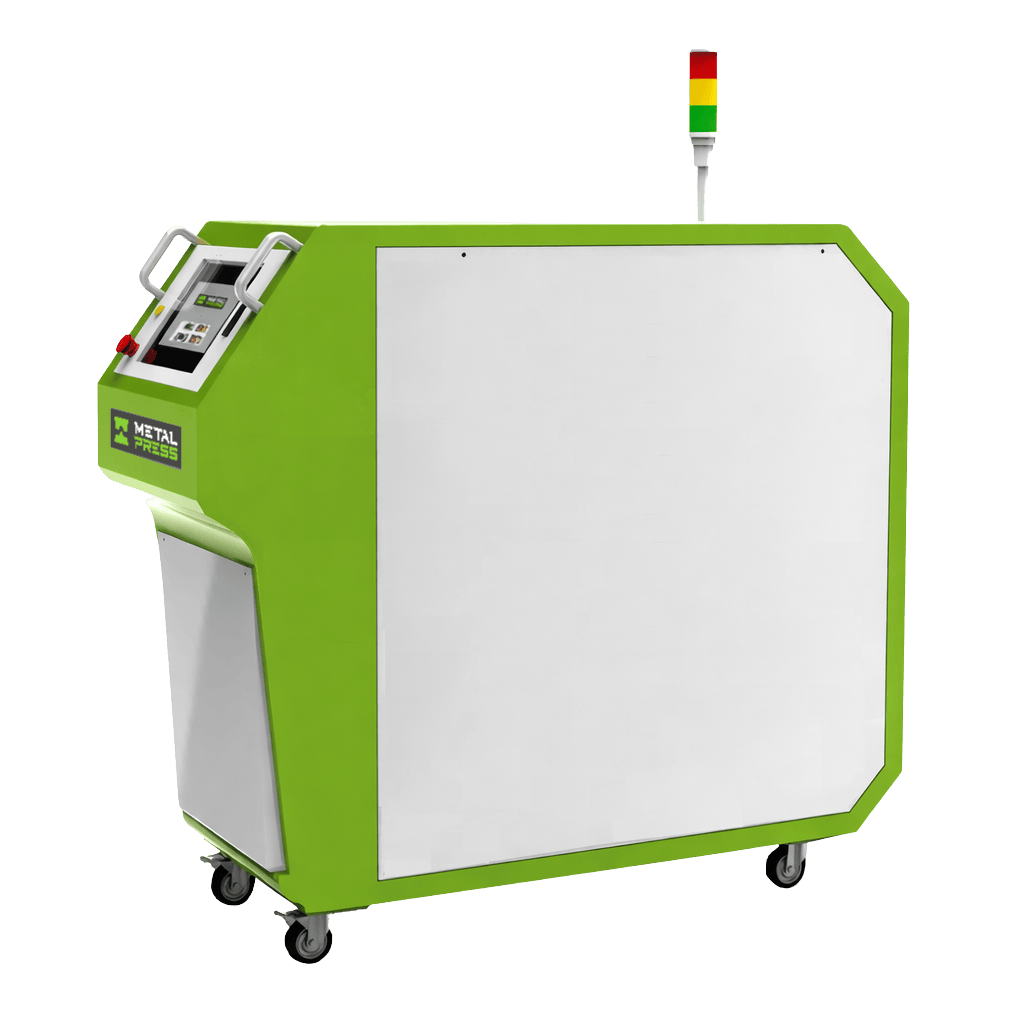
Basic hose flushing may be adequate for loose debris in a simple passage. More demanding maintenance may require an automatic mold channel cleaning machine with controlled air-and-water pulses, forward and reverse flow, multiple circuits, flow monitoring, pressure and leak checks, drying, and downloadable records.
The MDM Series product page documents the available models and features. Provide passage and connection sizes, number of circuits, materials, deposit history, baseline flow, allowable pressure, leak-test requirements, cleaning frequency, utilities, and documentation needs before selection.
How to Measure Flow Before and After Cleaning
- Identify and label the circuit.
- Use the same test connection, fluid condition, valve position, and pressure for both readings.
- Record baseline flow and pressure behavior.
- Clean, rinse, and remove loosened contamination.
- Repeat the flow test under comparable conditions.
- Perform the approved pressure or leak test.
- Blow dry or purge the passage when required.
- Save the result and release decision in the maintenance record.
A flow increase is useful evidence, but acceptance should also consider leakage, thermal balance, cycle performance, and the tool builder’s limits.
Automatic vs. Manual Mold Channel Cleaning
Manual flushing is simple and inexpensive but may lack repeatable pressure, pulse action, reverse flow, simultaneous circuits, measurement, drying, and records. Automatic cleaning equipment can standardize those steps and reduce operator variation, especially where many molds or complex passages must be maintained.
The correct choice depends on contamination severity, passage geometry, tooling value, production risk, maintenance volume, verification requirements, and total cost. Automatic equipment does not eliminate the need for isolation, approved limits, trained operators, and inspection.
The Cost of Restricted Cooling Channels
The cost of a restriction can appear as added cooling seconds, reduced hourly output, scrap, dimensional variation, emergency maintenance, tooling damage, or extra energy used while the thermal system tries to compensate. Estimate the impact with production data:
Lost production time per year = added seconds per cycle × annual cycles ÷ 3,600
Do not attribute every improvement to cleaning. Confirm that the restriction was real, compare before-and-after flow, and track the same process conditions after the tool returns to production.
How to Flush Mold Cooling Circuits Safely
- Stop, cool, isolate, depressurize, and prepare the production machine for maintenance.
- Review the circuit map, materials, seals, plugs, allowable pressure, and approved cleaning media.
- Inspect and label connections; record baseline flow and pressure behavior.
- Connect the cleaning equipment and set conservative limits.
- Run the approved forward/reverse or pulsed cycle and inspect discharge.
- Rinse until the acceptance condition is reached.
- Perform the approved flow, pressure, and leak checks.
- Purge or blow dry, reconnect, inspect, document, and authorize restart.
Never infer that “in-place” means during production; the connected equipment must remain safely isolated.
Pulse Cleaning vs. Chemical Descaling
Pulsed physical cleaning uses controlled fluid and air action to disturb and carry deposits. Chemical descaling uses a compatible chemistry to dissolve certain deposits. Neither method is universally best. The decision depends on deposit composition, passage material, seals, coatings, corrosion risk, allowable pressure, waste handling, worker protection, and the tool builder’s instructions.
The MDM process uses pulsed air and water with forward/reverse flow and does not make aggressive chemical treatment the default. If chemistry is required, specify concentration, temperature, exposure, neutralization, rinsing, disposal, and post-treatment inspection separately. See mold water-channel descaling and rust removal.
Mold Cooling Channel Cleaning Checklist
- Tool, circuit, material, connection, and passage data confirmed
- Production machine stopped, cooled, isolated, and depressurized
- Baseline flow and pressure behavior recorded
- Deposit condition and approved cleaning method documented
- Pressure, flow, duration, direction, and media limits set
- Discharge and rinse condition inspected
- Post-cleaning flow, pressure, and leakage result recorded
- Air purge or blow drying completed when required
- Connections inspected and circuit released to production
- Next condition check or preventive interval scheduled
For more information about our other products