
BLOCKED MOLD COOLING-CIRCUIT DIAGNOSIS & FLOW RESTORATION
Identify restricted mold water flow, isolate the cause, restore compatible passages, and verify the thermal path before returning the tool to production.
DIAGNOSE RESTRICTED MOLD WATER FLOW
A blocked cooling circuit may present as low flow, higher pressure drop, hot spots, longer cooling time, unequal cavity temperatures, unstable dimensions, or recurring alarms. First rule out closed valves, kinked hoses, incorrect manifolds, damaged fittings, pump or TCU limitations, and sensor error. Then compare the suspect passage with a clean baseline or similar circuit.
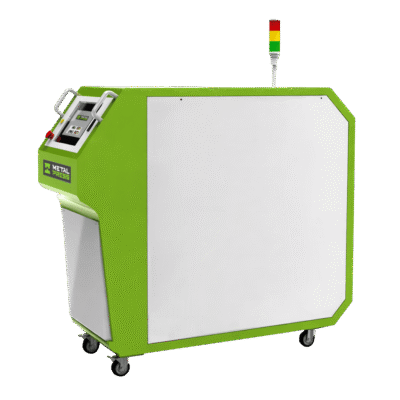
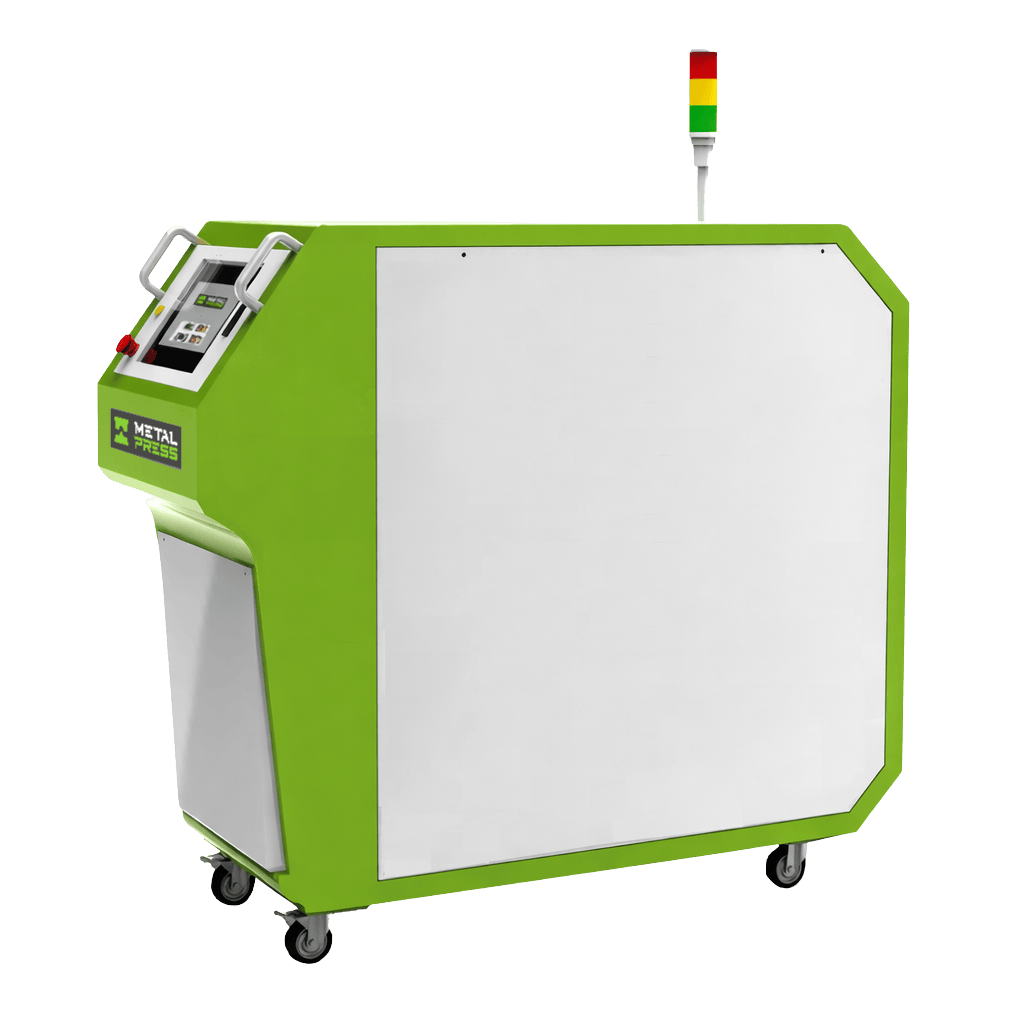
If internal contamination is confirmed, the MDM mold cooling circuit cleaner can apply controlled pulsed forward/reverse flow, monitor operating conditions, and support before-and-after verification.
GET A FREE QUOTE TODAY
RESTORE FLOW WITHOUT MASKING THE ROOT CAUSE
Cleaning removes the restriction; it does not correct poor water quality, corrosion sources, incompatible materials, inadequate filtration, stagnant shutdown conditions, or process settings that encourage rapid recurrence. Inspect the discharged material and maintenance history so the corrective action addresses both the deposit and its cause.
VERIFY THE THERMAL PATH AFTER CLEANING
Repeat the flow and pressure test under comparable conditions, perform the approved leak check, rinse and dry the circuit, and confirm stable operation during controlled restart. Track cycle time, temperature balance, and part quality after release. Use the injection-mold cleaning application or die-casting maintenance application for process-specific interpretation.
Expert Advice
A restriction is a symptom, not a diagnosis
Use flow, pressure, circuit configuration, thermal data, and maintenance history together. Cleaning the wrong circuit—or cleaning repeatedly without correcting water quality—will not deliver a durable result.
Related engineering resources: MDM equipment · Preventive maintenance · Technical guide