
INJECTION MOLD COOLING-CIRCUIT CLEANING
Application guidance for restoring coolant flow, heat transfer, mold-temperature stability, and repeatable cycle performance in injection molding facilities.
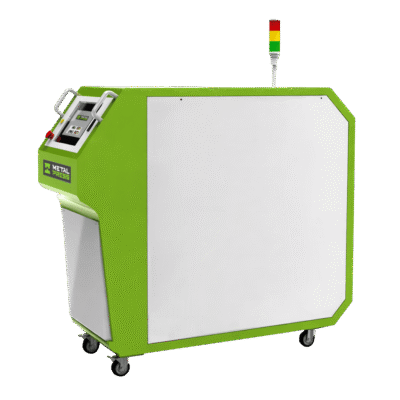
CLEANING COOLING CIRCUITS IN INJECTION MOLDING FACILITIES
Injection mold cooling circuit cleaning restores flow through water lines that have accumulated scale, rust, mineral deposits, sludge, or biological contamination. Restricted circuits can create hot spots, longer cooling time, cavity-to-cavity variation, warpage, sink marks, and unstable dimensional results. This page owns the industry-level application; the separate injection-mold water-line cleaning workflow explains the step-by-step maintenance sequence.
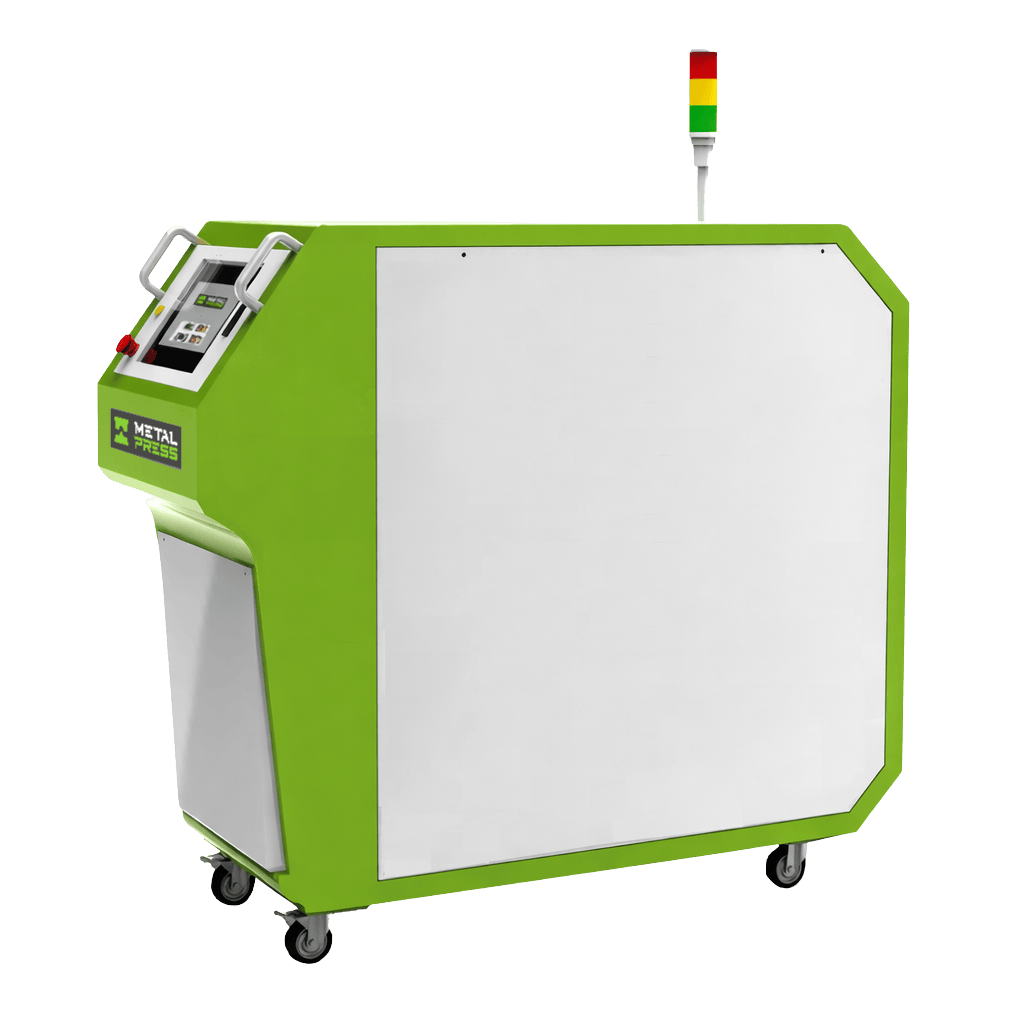
For equipment, review the MDM water channel cleaning unit. It provides multi-circuit pulsed forward/reverse cleaning, monitored flow and pressure, leak checks, records, and blow drying for compatible injection molds, including multi-cavity, packaging, and PET-preform tooling.
GET A FREE QUOTE TODAY
MATCH THE CLEANING METHOD TO THE MOLDING PROBLEM
Start by identifying which circuits are restricted and whether the dominant deposit is loose debris, mineral scale, corrosion, sludge, or biological buildup. Record baseline flow and pressure behavior, isolate the molding machine, connect each circuit correctly, select limits that respect the mold and seals, and verify the result after cleaning. Clean passages complement the correctly sized injection molding temperature-control system; they do not replace it.
SPECIFY AN INJECTION MOLD COOLING-CIRCUIT CLEANING SYSTEM
Provide mold size, number of circuits, passage and connection sizes, channel geometry, construction material, contamination history, current and target flow, allowable pressure, leak-test requirement, cleaning frequency, available utilities, and recordkeeping needs. Use the mold cooling-channel cleaning guide to prepare the maintenance procedure before requesting equipment.
Expert Advice
Separate temperature control from passage condition
A TCU may be operating correctly while a restricted mold circuit still produces poor heat transfer. Diagnose the passage first, verify flow before and after cleaning, then confirm the temperature-control loop.
Related engineering resources: MDM equipment · Water-line workflow · TCU applications