

Education
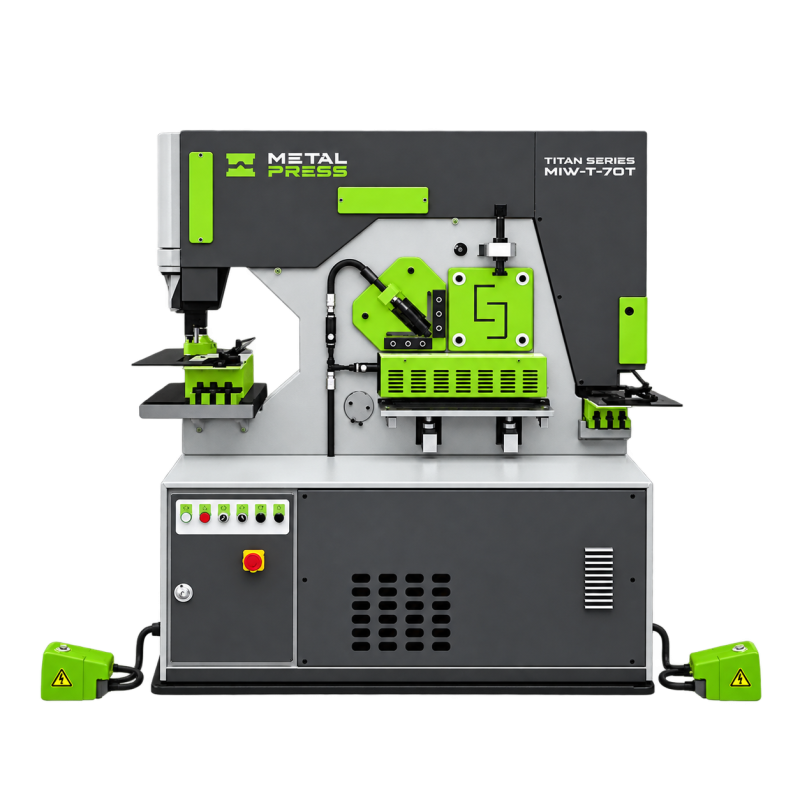
Ironworker vs Punch Press for Plate and Fabrication Work

An ironworker combines several fabrication stations, while a punch press is selected around a dedicated press-and-tooling production task. This briefing compares their roles for plates, brackets and repeated features. The useful choice comes from the part family, tooling investment, positioning method and production route—not a claim that either machine is always better.
Ironworker Punches, Dies and Hole-Punching Setup
A usable ironworker punching setup requires compatible punches, dies and holders, an approved material-and-hole combination, suitable access and a defined inspection method. This briefing organizes those decisions before tooling is ordered. It does not prescribe universal clearances or replace the machine and tooling supplier’s instructions.
What Is an Ironworker Machine? Five Fabrication Operations Explained
An ironworker machine combines dedicated metal-fabrication workstations such as punching, stock shearing and notching in one platform. It is equipment, not the ironworker trade or occupation. Its value is the ability to route suitable plate, bar and angle work through several operations, with each station selected by its own rating and tooling.
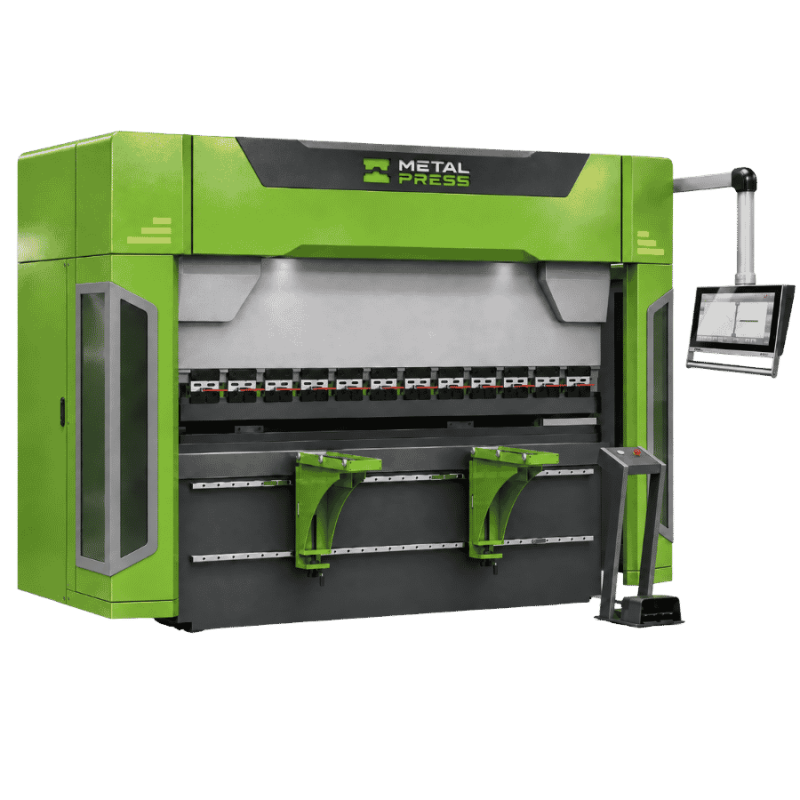
Press Brake Tooling and Bending Methods
Tooling selection connects the material and bend geometry to the press brake’s force, clearance and load limits. Air bending, bottoming and coining are distinct methods with different setup requirements. This briefing explains the decisions to review before selecting a punch, die and holder arrangement; it does not approve every method for every machine.
Press Brake Crowning and Bend-Angle Consistency
Press-brake crowning compensates for deflection along the bending system so the tooling relationship can be managed across the working length. It belongs in the setup and inspection plan for long bends. This briefing explains what crowning addresses, what it does not measure and how to specify a meaningful bend-consistency review.
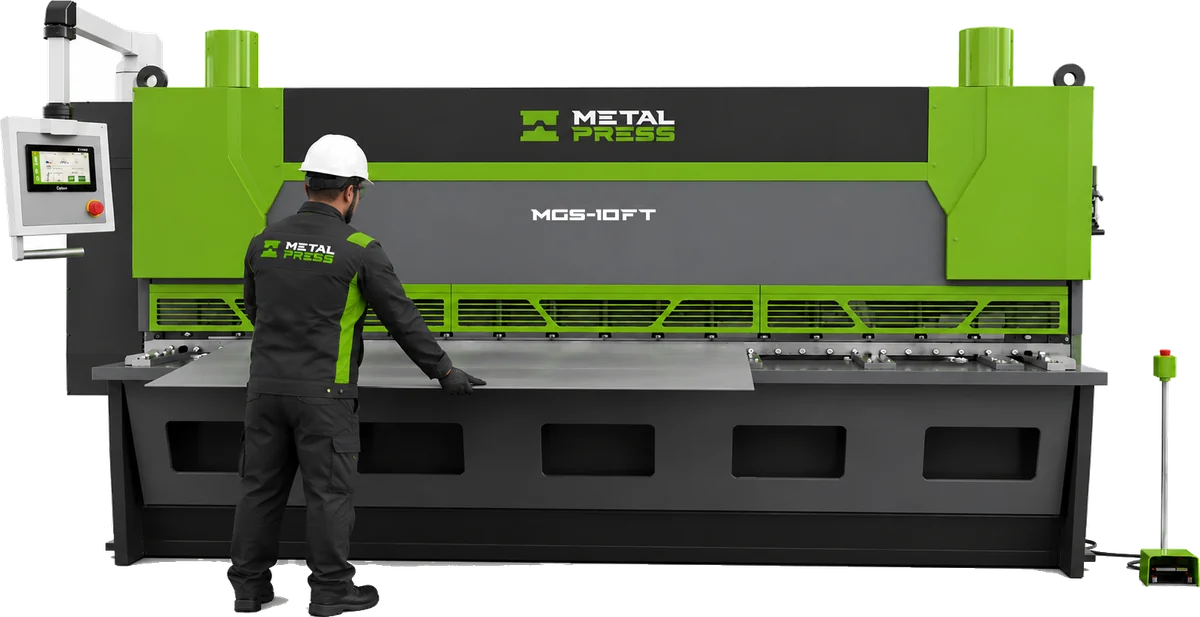
Guillotine vs Swing-Beam Shears: Architecture and Drive Choices
Guillotine and swing-beam terminology concerns the cutting mechanism, while hydraulic and mechanical terminology concerns its drive. Names are not used consistently across the industry, so a useful comparison starts with the actual blade-carrier motion, adjustment functions, capacity and support package. This briefing provides a specification checklist rather than a universal winner.
Press Brake Drives and Controls: Servo-Hydraulic, Hydraulic and Electric
Press-brake drive technology and CNC control describe different parts of the machine. Hydraulic, servo-hydraulic and electric identify aspects of force and motion generation; CNC describes programmed control. This briefing separates those terms so quotations can be compared around the workpiece, duty pattern and supplied configuration.
Shear Rake Angle and Blade Clearance: Burrs, Twist and Bow
Rake angle, blade clearance, blade condition and material support influence how a shear separates a blank and what edge or distortion remains. This briefing explains those variables as a system, with particular attention to narrow strips. It is a planning and inspection guide, not a universal adjustment recipe.
How to Choose a Hydraulic Guillotine Shear
Choose a guillotine shear from the actual material, full cutting length, required blank quality and sheet-handling sequence. Compare the thickness-and-width combination for the selected model, then review gauging, support and the narrowest strips. A thickness rating by itself is not a complete capacity specification.
How to Choose a Hydraulic Ironworker: Capacity, Throat Depth and Operators
Choose a hydraulic ironworker by comparing every required workstation with the actual stock and feature geometry. Punching force, hole size, throat reach, section capacities, tooling and operator arrangement must all fit the job; one tonnage figure cannot describe the whole machine.