

Blog
Die Spotting Process: How Mold and Die Tryout Works

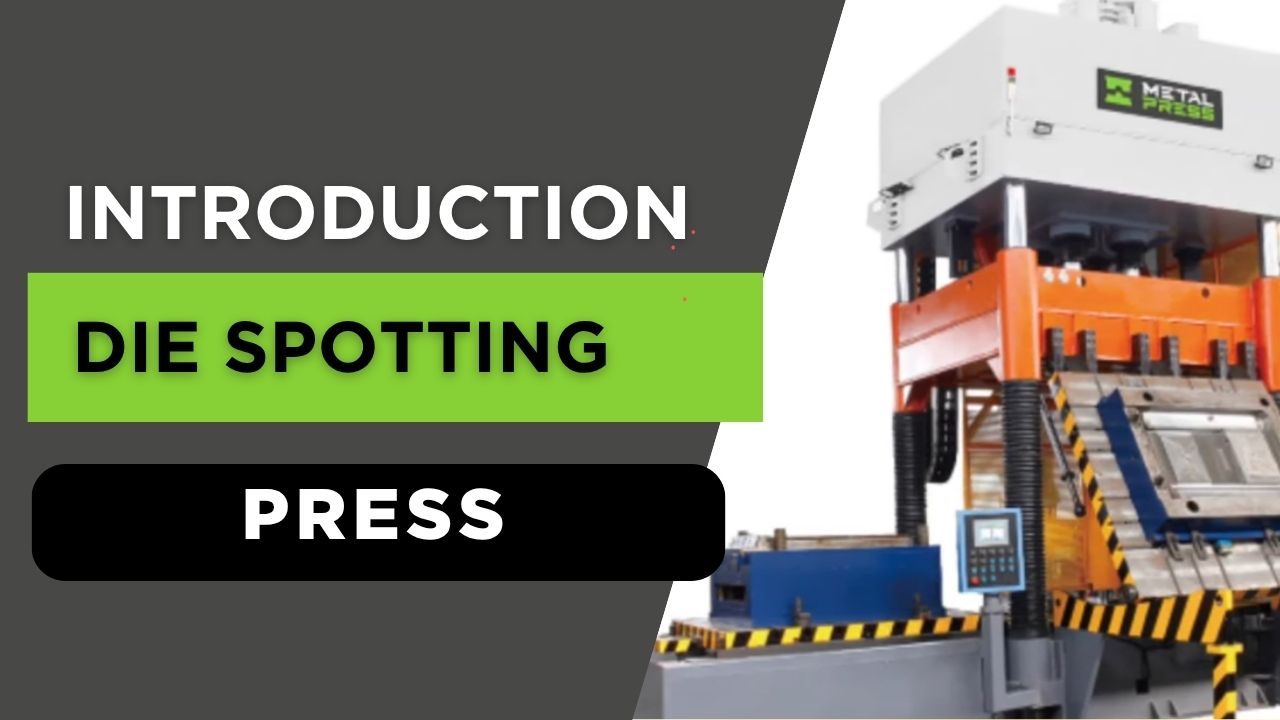
What Is Die Spotting?
Direct answer: die spotting is the controlled process of bringing mold or die halves together at low speed and pressure to check contact, alignment, shut height, parting lines, and surface fit. Spotting compound, transfer marks, pressure-sensitive media, feeler gauges, indicators, or other inspection methods reveal high spots and incomplete contact so toolmakers can correct the tooling before production.
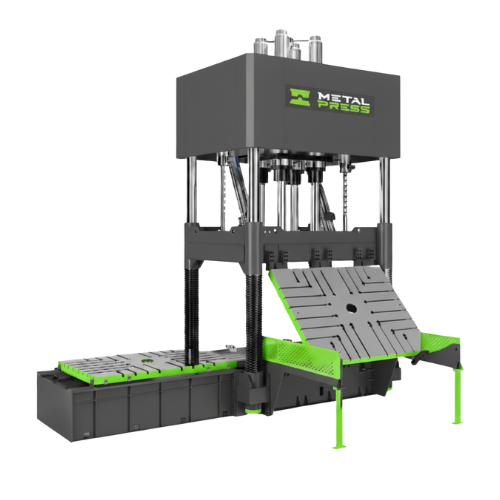
A die spotting press provides access, controlled movement, repeatable positioning, and safe setup functions for this work. It is used by mold makers, die shops, maintenance teams, and manufacturers that need accurate tooling before molding, stamping, forming, or casting. See the existing die spotting press overview and the Tool and Die Manufacturing application page.
Six Steps in the Die Spotting Process
The exact inspection method varies by tool, but a disciplined spotting workflow separates controlled verification from production-force tryout. Toolmakers repeat the cycle until contact, alignment, and functional movement meet the approved criteria.
Prepare and Inspect
Clean the tooling, review drawings and setup data, inspect wear or damage, confirm lifting points, and identify the surfaces and functions to be checked.
Load and Align
Position the mold or die safely, support its weight, establish centerlines, secure each half, and verify clearances before controlled closing.
Close Under Control
Use slow, precise motion and limited pressure to approach contact without shocking, overloading, or damaging the tooling.
Read the Contact Pattern
Inspect transfer marks, spotting compound, indicators, gaps, parting lines, shut height, and alignment to identify high and low areas.
Correct the Tool
Open the press for access, document findings, stone, machine, shim, adjust, or repair the required areas using the approved toolmaking method.
Repeat and Validate
Repeat controlled spotting until the contact pattern, alignment, motion, and functional checks satisfy the defined acceptance criteria.
Press Options for Die Spotting and Mold Tryout
MetalPress offers traditional hydraulic and servo-hydraulic spotting press families. Their final product pages remain unchanged; these cards link to the machines for model-level review.
Die Spotting vs. Mold Tryout vs. Production Pressing
These activities are related but not interchangeable. The required pressure, speed, access, controls, tooling functions, safety procedures, and acceptance criteria change as the work moves from fit verification toward process validation and production.
Contact & Alignment
Low-speed, controlled closure is used to inspect fit, contact patterns, parting lines, shut height, and tooling alignment.
Tool Function
Mold or die tryout checks slides, ejectors, cores, clamps, cushions, heating, cooling, lubrication, and other functional movements.
Sample Parts
Process tryout introduces material and controlled operating parameters to evaluate fill, forming, trim, flash, dimensions, and repeatability.
Rated Operation
Production pressing runs the validated tool and process at the approved force, speed, temperature, cycle rate, automation, and quality plan.
Hydraulic Control
A conventional hydraulic spotting press can provide dependable low-speed movement, full-force capability, access, and tooling support.
Programmable Motion
A servo-hydraulic spotting press can add precise motion profiles, responsive control, recipe repeatability, and process data for demanding tryout work.
Where Die Spotting Is Used
Die spotting supports tooling programs across molding, stamping, forming, casting, maintenance, and new-product introduction. The linked resources connect the process to relevant manufacturing applications and supporting equipment.
Tooling and Production Applications
How to Specify a Die Spotting Press
Provide the largest and smallest tool dimensions, tool weight, required opening, platen area, daylight, stroke, tilting or rotating functions, access needs, maximum spotting and tryout force, motion-control requirements, utilities, floor loading, handling method, guarding, and installation constraints.
Tool, Platen & Motion Data
- Tool dimensions, weight, and center of gravity
- Platen size, opening, stroke, and daylight
- Required spotting and tryout force
- Slow approach, closing, and opening control
- Tilting, rotation, clamping, and tool functions
Handling, Safety & Installation
- Loading route, cranes, carts, and forklifts
- Operator access and working positions
- Guarding, interlocks, and recovery modes
- Floor loading, foundations, and utilities
- Rigging, installation, service, and maintenance
Industrial Die Spotting Press Manufacturer & Supplier
Toolmakers searching for a die spotting press for sale need equipment sized around their real mold and die range—not a generic press description. MetalPress can evaluate custom spotting and mold-tryout requirements for tool shops, molding operations, stamping plants, maintenance departments, and production launch teams.
A commercial review should align tool weight and dimensions, platen area, opening, stroke, motion control, spotting force, tilt or rotation, access, clamping, safety, controls, handling, floor capacity, installation, training, and service expectations.
Die Spotting FAQs
Die spotting verifies contact, alignment, parting lines, shut height, and surface fit so toolmakers can correct high or low areas before full-force tryout or production.
A thin transfer coating helps reveal where surfaces contact. The observed pattern guides controlled correction, but the exact inspection method and acceptance criteria depend on the tooling program.
No. A spotting press emphasizes controlled slow motion, access, setup visibility, and tooling functions. A production press is optimized around the validated process, force, cycle rate, automation, and output requirements.
Tilting or rotating functions can improve access and working position for inspection and correction. Their suitability depends on tool size, weight, center of gravity, clamping, and the approved handling procedure.
Servo-hydraulic control can improve low-speed precision, programmable motion, repeatability, setup recipes, and process data when the tool program requires more controlled movement.
Provide tool dimensions and weights, platen size, opening, stroke, spotting and tryout force, tilt or rotation needs, clamping, handling method, controls, safety, utilities, floor loading, and installation access.
Expert Advice
Die spotting should be a measured inspection process, not a trial by force. Use the lowest practical speed and pressure, define the surfaces and acceptance criteria before closing the tool, document each correction, and keep hands and tools outside hazardous zones. The correct spotting press improves access and control, but safe results still depend on approved lifting, clamping, guarding, lockout, and toolmaking procedures.
Die spotting is one stage of a broader tooling program. See die maintenance and lifecycle planning for cleaning, inspection, repair, handling, documentation, and downtime considerations.
RELATED DIE SPOTTING & MOLD MAINTENANCE GUIDES
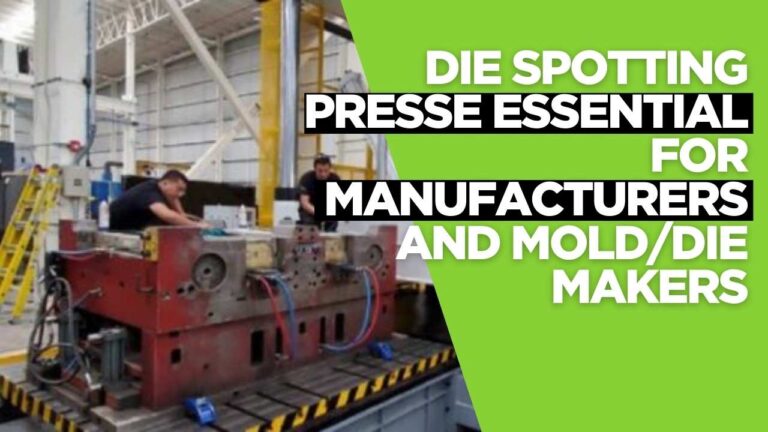
Why Die Spotting Presses Are Essential
Learn why spotting presses improve mold and die inspection, correction, setup, and validation before production.

How Our Machines Support Mold and Die Makers
Review equipment used for tool handling, spotting, tryout, maintenance, and preparation across mold and die shops.
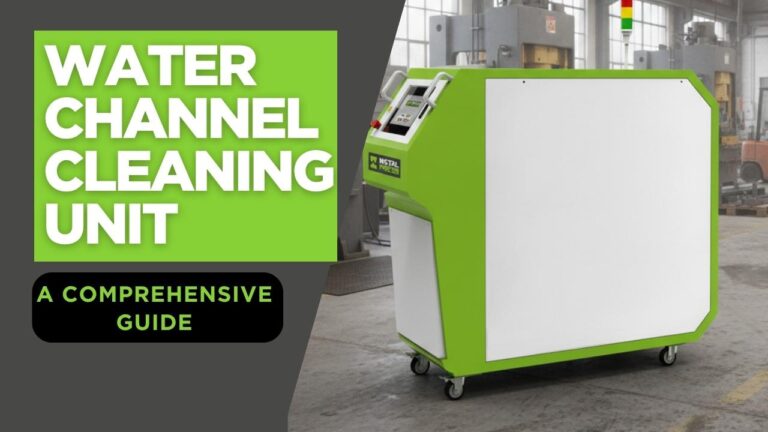
Water Channel Cleaning for Mold Maintenance
See how controlled water-channel cleaning supports reliable mold cooling, heat transfer, maintenance, and production stability.