

Blog
How to Buy an Industrial Hydraulic Press: Manufacturer & Supplier Checklist


How Should You Buy an Industrial Hydraulic Press?
Direct answer: start with the manufacturing process, part, material, tooling, required force, working envelope, cycle target, and plant constraints. Then compare hydraulic press manufacturers and suppliers on engineering fit, frame rigidity, controls, safety, testing, documentation, installation, service, and total cost—not purchase price alone.
An industrial hydraulic press for sale may be standard, configurable, or fully custom. The right choice depends on whether an established platform satisfies the load case or whether the project needs unusual platen size, stroke, daylight, cylinders, motion, tooling functions, automation, or installation planning. Review the Hydraulic Press resource hub, large hydraulic press guide, and automatic hydraulic press systems.
Six Questions to Ask Every Hydraulic Press Supplier
A useful supplier comparison separates a machine quotation from a complete production solution. Ask each vendor to define assumptions, inclusions, exclusions, acceptance criteria, responsibilities, and support.
Does the Press Fit the Load Case?
Confirm force through stroke, centered and off-center loading, platen area, deflection, guidance, tooling weight, duty cycle, and safety margin.
What Is Standard vs. Custom?
Identify which frame, hydraulics, controls, guarding, tooling interfaces, options, and engineering work are included in the quoted configuration.
How Is Performance Proven?
Define design review, calculations, factory testing, run-off material, tooling trials, measurements, documentation, and acceptance criteria.
Who Owns Integration?
Clarify responsibility for tooling, feeders, robots, conveyors, guarding, utilities, foundations, data, and upstream or downstream equipment.
What Does Installation Require?
Review shipping, rigging, floor loading, foundations, anchors, utilities, commissioning, training, production launch, and site readiness.
What Support Follows Delivery?
Compare warranty, remote support, service response, spare parts, documentation, software access, maintenance, and long-term upgrade options.
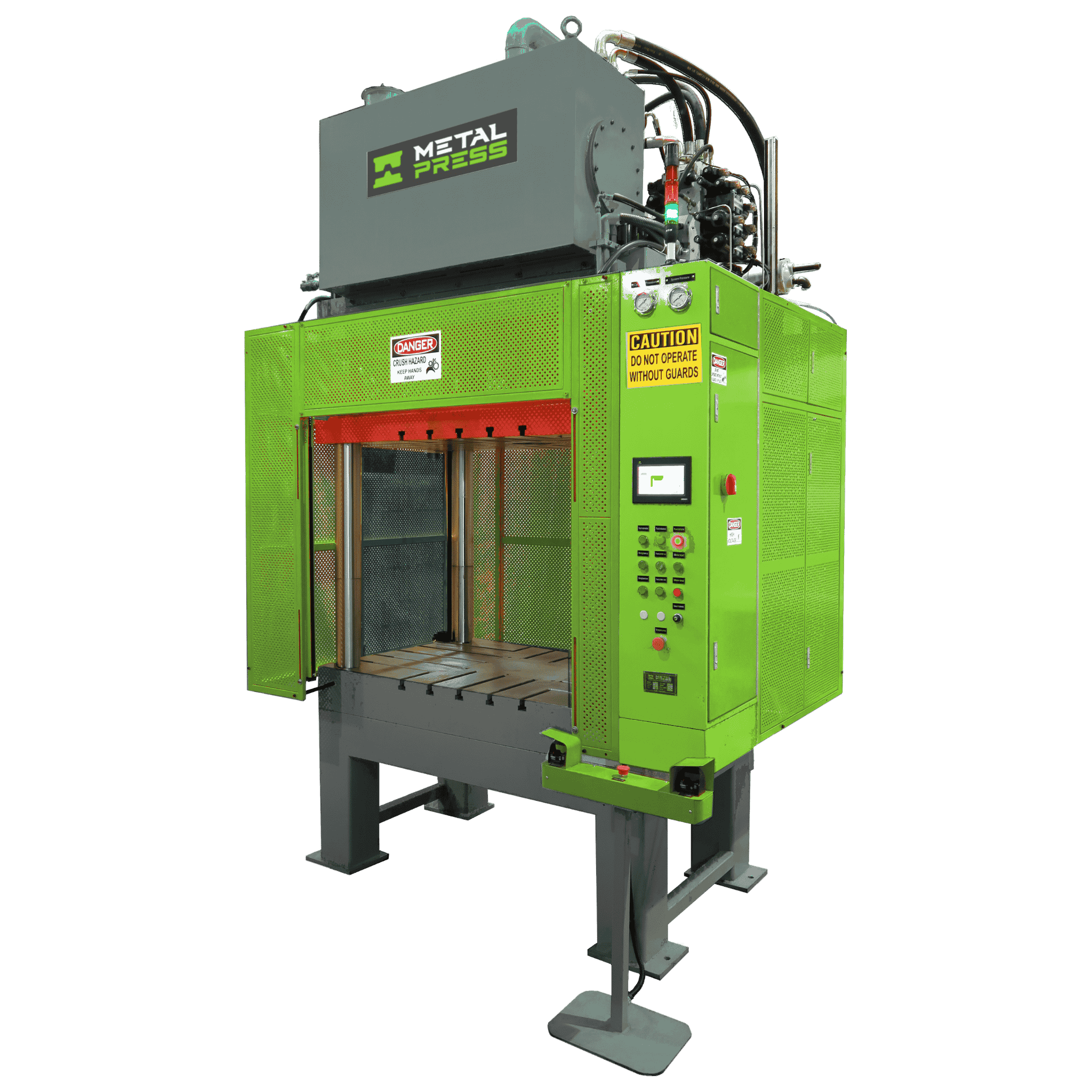
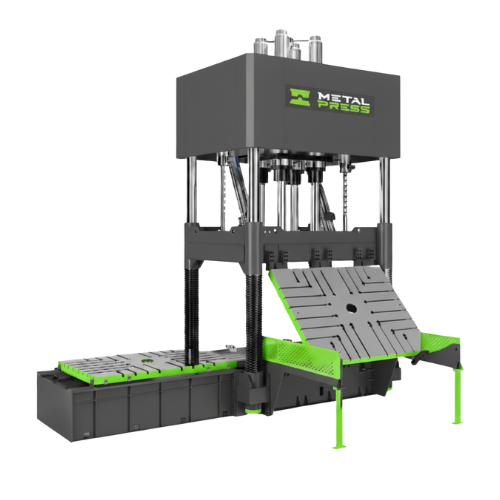
Established Hydraulic Press Families
These three machine families provide practical starting points for industrial forming, trimming, tooling, and production requirements. Their product pages remain unchanged and are linked only for model-level review.
Hydraulic Press Selection by Tonnage and Scope
Tonnage is a starting filter, not a complete specification. A 50-ton, 100-ton, 200-ton, 500-ton, or larger press can be unsuitable if the working area, stroke, daylight, speed, rigidity, force curve, controls, or duty cycle do not fit the process.
Compact Industrial Work
Evaluate lighter forming, assembly, straightening, trimming, and fixture-based operations with compact tooling and controlled production duty.
General Production
Common industrial force classes for forming, assembly, drawing, straightening, and process work that needs more platen area or tooling capacity.
Large Parts & Dies
Confirm frame rigidity, usable bed, force through stroke, tool handling, floor loading, and integration as size and load increase.
Heavy-Duty Projects
Large hydraulic presses require application-specific engineering around deflection, hydraulics, foundations, installation, safety, and maintenance access.
Working Envelope
Unusual platen size, stroke, daylight, cylinders, off-center loading, multiple stations, or tooling functions can drive a custom configuration.
Integrated Systems
Automated cells must coordinate material flow, tooling, sensors, guarding, controls, recovery, data, inspection, and downstream handling.
Match the Press to the Metalworking Application
Commercial modifiers such as manufacturer, supplier, industrial, custom, and for sale should never replace process engineering. Use the application pages below to define the work before comparing quotations.
Forming and Force Applications
Production and Tooling Applications
Industrial Hydraulic Press RFQ Checklist
A strong request for quotation gives every manufacturer the same verified requirements. This produces comparable proposals and exposes gaps before the project reaches detailed engineering.
Part, Process & Press Data
- Part drawings, material, and process steps
- Tool dimensions, weight, and functions
- Force, bed, platen, stroke, and daylight
- Approach, work, dwell, and return speeds
- Cycle, accuracy, deflection, and duty requirements
Plant, Commercial & Acceptance Data
- Loading, unloading, automation, and guarding
- Controls, recipes, data, and communication
- Utilities, floor loading, access, and foundations
- Testing, documentation, training, and warranty
- Delivery, installation, acceptance, and service scope
How to Compare a Hydraulic Press Manufacturer and Supplier
Compare proposals line by line. Confirm the quoted machine can deliver the required force through the working stroke, accommodate the real tooling, withstand the defined load cases, achieve the cycle target, and integrate safely into the plant.
The lowest initial price may exclude engineering, guarding, tooling interfaces, testing, documentation, freight, installation, training, spare parts, or service. Evaluate the total delivered scope, technical risk, production impact, maintainability, energy use, warranty, and expected operating life before selecting a supplier.
Industrial Hydraulic Press Buying FAQs
Choose a standard platform when its force, working envelope, stroke, speed, duty, controls, and tooling interface satisfy the application. Use custom engineering when the real process falls outside those established limits.
Calculate force from the material, geometry, contact area, tooling, process, and safety margin. Then verify the force available through the working stroke, not only nominal maximum tonnage.
The quote should define frame, cylinders, hydraulics, controls, guarding, platens, tooling interfaces, options, testing, documentation, delivery, installation, training, warranty, exclusions, and acceptance criteria.
Compare engineering fit, proven capability, design assumptions, structural rigidity, controls, safety, testing, documentation, project management, service, parts support, warranty, and total delivered cost.
Possibly, but verify frame condition, cylinders, hydraulics, controls, guarding, documentation, capacity, working envelope, duty cycle, code compliance, retrofit scope, and lifetime support before purchase.
Provide part and tool drawings, materials, process description, force calculation, bed and platen size, stroke, daylight, speeds, dwell, cycle rate, loading, unloading, controls, safety, utilities, floor conditions, and installation constraints.
Expert Advice
Do not compare hydraulic presses using tonnage and price alone. First make every supplier quote the same load case, working envelope, motion profile, tooling responsibilities, safety scope, testing plan, and delivery boundary. A clear RFQ turns vague commercial claims into measurable engineering commitments and makes it much easier to compare long-term production value.
RELATED HYDRAULIC PRESS BUYING & SELECTION GUIDES

Benchtop Press vs. Industrial Hydraulic Press
Compare light-duty benchtop equipment with industrial hydraulic presses using force, duty cycle, controls, safety, and production requirements.
What Are Hydraulic Presses Used For?
Review common industrial hydraulic press applications and the engineering factors that determine frame, force, motion, and tooling fit.
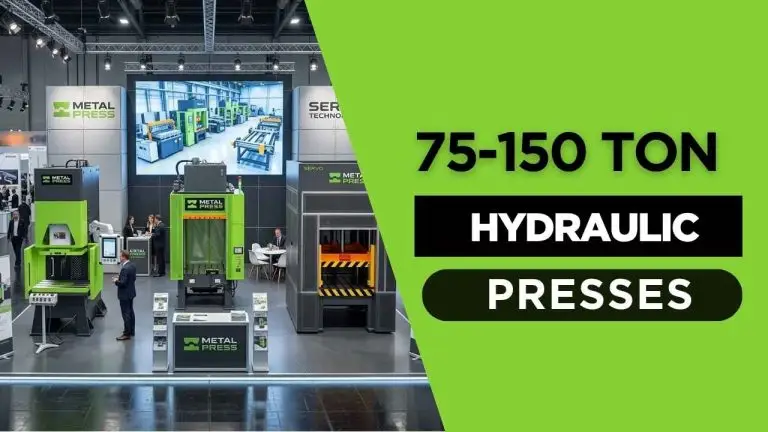
75–150 Ton Hydraulic Presses
Understand how 75-ton, 100-ton, and 150-ton force classes relate to working area, stroke, tooling, controls, and industrial applications.