
METAL FABRICATION MACHINERY
Explore sheet metal fabrication machinery, including press brakes, guillotine shears and hydraulic ironworkers.
FABRICATION EQUIPMENT TYPES
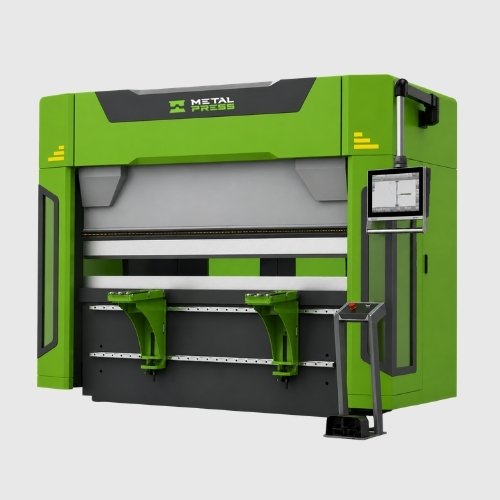
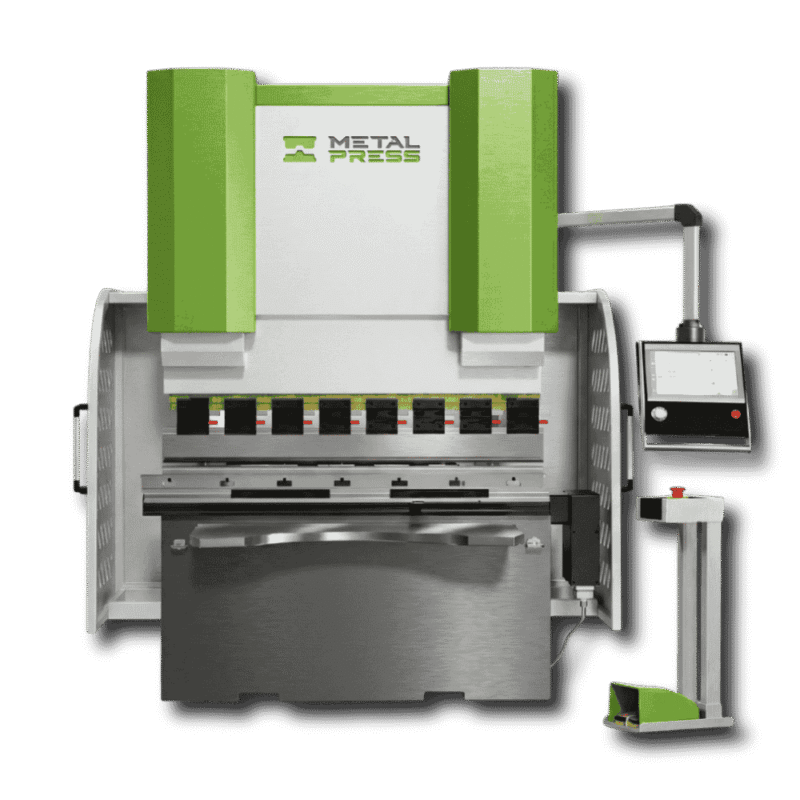
PRESS BRAKES
PRESS BRAKES
Precision bending.
Explore servo-hydraulic CNC press brakes for precision sheet metal bending. The MPT-SV Series combines CNC control with hydraulic bending force. Compare models by rated force, bending length, working clearance and tooling requirements.
For machine selection, provide the material grade, thickness, longest bend and part drawings. Crowning, backgauge configuration and optional sheet support should match the parts and production sequence.
GUILLOTINE SHEARS
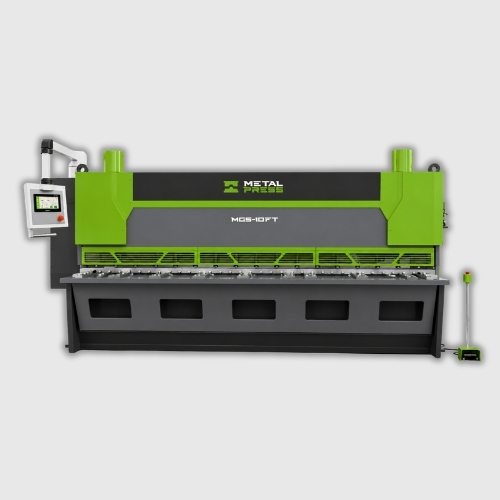
HYDRAULIC CNC GUILLOTINE SHEARS
Straight sheet and plate cutting.
The MGS hydraulic CNC guillotine shear prepares straight-cut sheet and plate blanks for bending and fabrication. Compare the available cutting-thickness and width combinations, with material grade and strength considered alongside each model's rating.
Blade clearance, rake, backgauging and sheet support are part of the cutting setup. Specify your full cutting length, smallest strip, required finish and handling sequence when reviewing the machine configuration.
HYDRAULIC IRONWORKERS
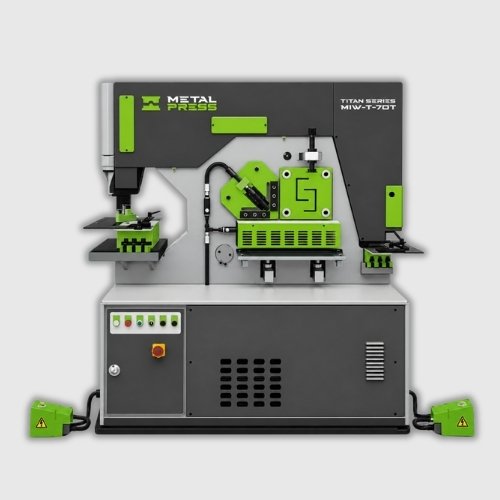
HYDRAULIC IRONWORKERS
Punching, shearing and notching.
The MIW-T hydraulic ironworker combines punching, flat bar shearing, round and square bar shearing, angle shearing and notching in one fabrication machine. Its dual-operator layout and optional tooling can be reviewed around your intended work.
Compare each workstation's capacity, throat depth and tooling requirements rather than choosing by punching force alone. Send the material grade, section dimensions and hole or notch details. Punches and dies are selected separately.
CHOOSE FABRICATION EQUIPMENT BY OPERATION
Match metal fabrication equipment to the workpiece and the operation. Use a guillotine shear for straight-cut blanks, a CNC press brake for bending, and a hydraulic ironworker for holes, section cuts and notches. The best process sequence depends on the finished part.
When planning fabrication shop equipment, consider material grade and thickness, part dimensions, tolerances, production volume, tooling, handling space and site power. Compare the model specifications on each product page, then share your drawings and requirements with MetalPress for a configuration review.
Browse metal fabrication applications by process, material and industry to connect the equipment choice to the finished part.