
MOLD & DIE HANDLING FOR PLASTIC MOLDING
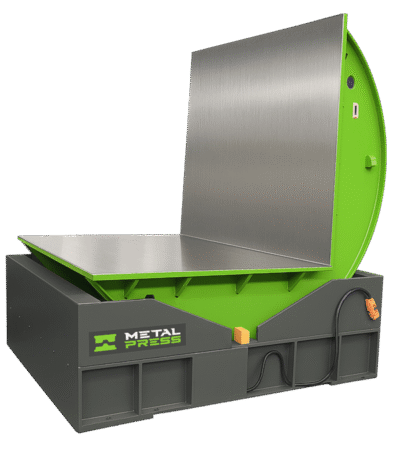
PLASTIC MOLDING MOLD HANDLING EQUIPMENT
MOLD FLIPPER & MOLD CART APPLICATIONS
Plastic and injection-molding facilities use mold flippers to rotate heavy injection molds for cleaning, cavity inspection, plate service, repair, assembly, storage, and changeover preparation. The same machine may be called a mold upender, die flipper, die upender, mold turner, or mold rotation system. A mold transfer cart moves the tool horizontally; a mold flipper controls its orientation.
For standard capacities, table sizes, options, and quotation data, review the MDR industrial mold flipper and die flipper. Use this application page to plan how rotation connects to storage, the toolroom, maintenance, mold tryout, staging, and the molding machine.
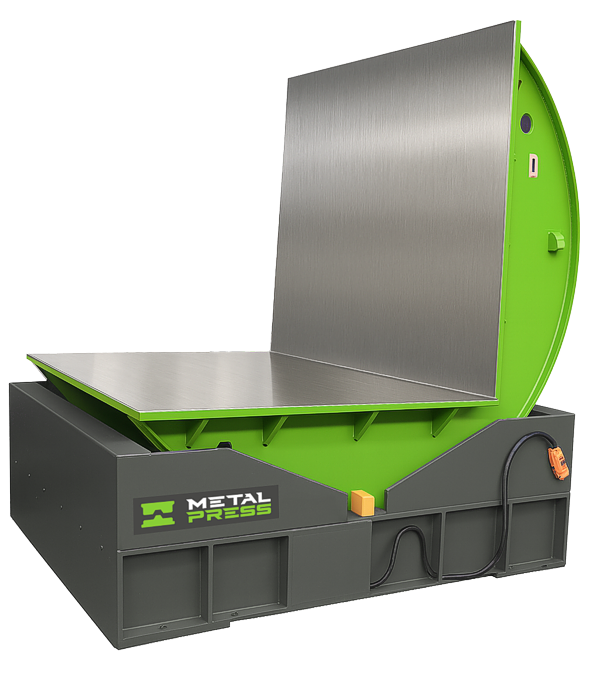

MOLD FLIPPER & TRANSFER EQUIPMENT FOR PLASTIC MOLDING
Mold transfer carts for horizontal movement
A mold transfer cart moves injection molds among storage, toolrooms, maintenance areas, staging, and molding machines. Tool weight, route, aisle width, floor condition, docking, deck height, and machine interface determine the cart configuration.
Mold flippers for controlled injection-mold rotation
A heavy-duty mold flipper rotates an injection mold into a defined position for access to cavities, plates, cooling connections, slides, lifters, and parting surfaces. Also called a mold upender, it supports the tool through the rotation and reduces dependence on improvised crane or forklift flipping.
Mold tryout and validation support
Rotation and transfer are part of a larger tooling workflow. Spotting and mold-tryout equipment can support alignment, contact verification, adjustment, and repair validation before the mold returns to production. Compatible heights, supports, clearances, and staging rules help connect each step.
SELECTING THE RIGHT MOLD & DIE HANDLING FOR PLASTIC MOLDING
Select around the heaviest mold and its maintenance position
Record maximum mold weight and dimensions, center of gravity, parting-line orientation, required rotation, support surfaces, loading method, molding-machine interface, maintenance tasks, available floor space, and changeover frequency. These inputs determine whether the workflow needs a mold cart, a mold flipper, or both.
Keep product and application intent clear
This page covers mold-flipper use in plastic and injection molding. The MDR mold flipper product page is the primary commercial source for industrial mold flipper capacities, all-electric operation, table configurations, options, and quotation data.
Frequently Asked Questions
Mold and die handling for plastic molding is the process of moving, rotating, staging, and preparing molds so they can be maintained, stored, transferred, verified, and installed more safely and efficiently in production equipment.
The most common equipment includes a mold die transfer cart for moving tooling through the facility, a mold upender for rotating molds into the correct position for maintenance or setup, and mold tryout / spotting equipment for alignment, verification, and repair support before production.
A mold transfer cart helps move heavy molds safely between storage, toolrooms, maintenance areas, and molding machines while improving workflow and reducing the risks associated with forklifts, dragging, or unstable manual handling. It also supports faster mold changes and more organized mold staging.
A mold upender is useful because molds often need to be rotated for inspection, cleaning, repair, storage, or setup preparation. Controlled rotation improves access to the tooling and reduces the risks associated with unstable turning methods, while also helping protect mold surfaces and alignment.
Yes. This type of equipment is a strong fit for injection-molding facilities, plastic molding plants, and other operations where large molds must be moved, rotated, validated, and prepared safely between production runs.
Controlled mold movement helps reduce downtime, improve operator safety, protect tooling surfaces, reduce the risk of shifting or impact damage, and support faster, more organized mold changeovers in plastic molding production.
Yes. Mold handling equipment is especially valuable in high-mix production environments because frequent mold changes require safer movement, faster staging, and a more repeatable tooling workflow between jobs.
For injection molds, document tool weight, dimensions, center of gravity, parting-line orientation, maintenance position, loading method, and the next transfer step. A mold flipper or mold upender should be selected around the complete handling sequence.
Related Technical Guides
Review these technical guides for additional engineering context on Die & Mold Handling, equipment selection, safety, and production planning.