
MOLD & DIE HANDLING FOR TOOL & DIE SHOPS
TOOL & DIE SHOP HANDLING EQUIPMENT
TOOLROOM DIE & MOLD HANDLING
Tool-and-die shops need controlled methods to move, rotate, open, inspect, repair, and validate heavy tooling. A die transfer cart handles horizontal movement; a die flipper or mold flipper rotates the tool for access; a die splitter opens tooling; and a spotting press supports contact and alignment verification.
Die flipper, mold flipper, die upender, and mold upender are common names for the rotation equipment. Use the task, tool weight, center of gravity, required orientation, and next handling step to select the correct machine.
GET A FREE QUOTE TODAY


MOLD & DIE HANDLING EQUIPMENT FOR TOOL & DIE SHOPS
DIE TRANSFER CART
A die transfer cart for tool & die shops is widely used to move heavy dies, molds, and tooling between storage areas, workstations, maintenance zones, spotting areas, and production-preparation locations. In a toolroom, this is one of the most important parts of the workflow because tooling must be moved safely and repeatedly without depending on forklifts, dragging, or unstable manual handling. A dedicated die transfer cart, mold die transfer cart, or toolroom die cart helps standardize tooling movement while reducing the risks associated with impact damage, shifting loads, and difficult maneuvering in tight shop layouts.
For tool & die shop mold handling, a die transfer cart is especially valuable when moving tooling between benches, storage racks, spotting presses, die testing stations, maintenance areas, and press-prep staging zones. It creates a more organized workflow for moldmakers and toolmakers while supporting safer, lower-risk handling of expensive tooling. This makes it a strong fit for keyword combinations such as die transfer cart for tool & die shops, toolroom die transfer cart, mold transfer cart for toolroom, and heavy tooling transfer cart.
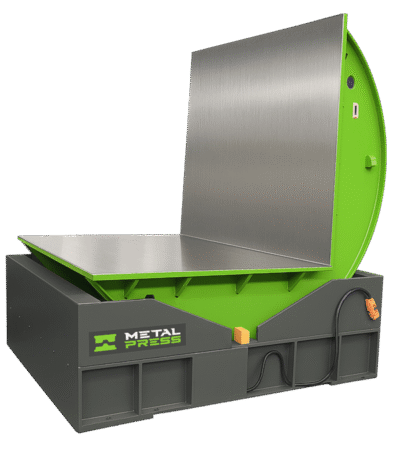
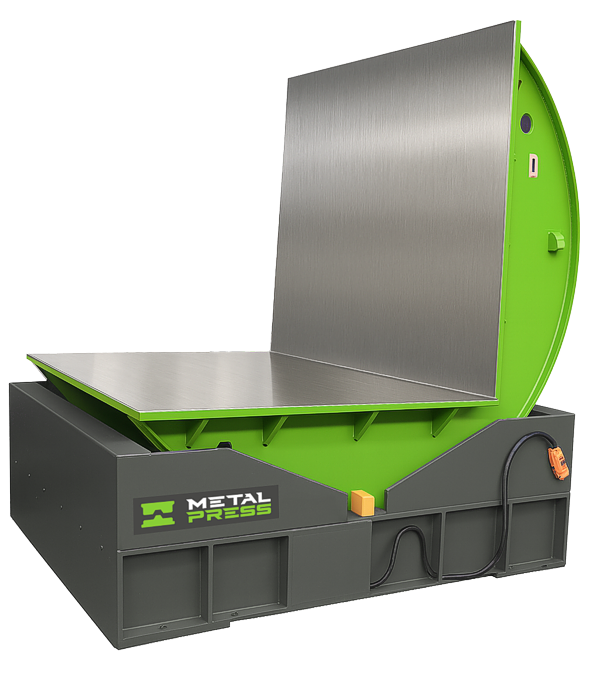
DIE FLIPPER / DIE UPENDER
A die flipper for tool & die shops is used when a die or mold must be rotated into the correct position for maintenance, cleaning, inspection, assembly, repair, storage, or preparation for spotting and testing. In toolrooms, many tools are too large, too dense, or too awkwardly balanced to rotate safely with improvised handling methods. A dedicated die upender, mold upender, die flipper, or tooling rotation equipment solution gives the shop a safer and more repeatable way to turn tooling while improving access to critical surfaces and reducing handling risk.
For toolroom die handling, this makes the die flipper one of the strongest rotation-equipment fits on the page. It supports safer rotation for progressive dies, transfer dies, molds, and other large tooling during maintenance and setup preparation, while helping reduce strain, unstable turning, cracked edges, and accidental load movement. This section helps support search phrases such as die upender for toolrooms, mold upender for tool & die shops, tooling rotation equipment, and die flipping equipment.
DIE SPLITTER AND TESTER
A die splitter and tester for tool & die shops is widely used when stamping dies need to be opened, separated, inspected, cleaned, and reassembled in a safer and more controlled way. In toolrooms, this is a critical part of die maintenance and repair because opening heavy dies manually can be dangerous and can also damage precision surfaces. A dedicated die splitter and tester helps support safer die separation while giving technicians better access to internal die components for inspection, cleaning, repair, and setup work.
For tool & die shop mold and die handling, this makes the die splitter and tester one of the strongest SEO and workflow fits on the page. It supports toolroom die maintenance, die opening and inspection, stamping die repair, and precision tooling service workflows. This section helps support keyword combinations such as die splitter and tester, die opening equipment, toolroom die maintenance equipment, and die inspection equipment.
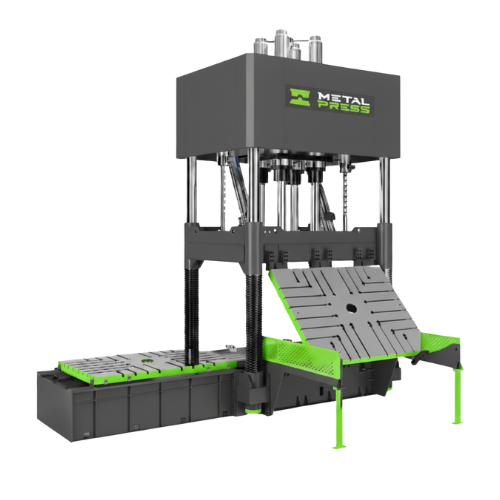
SPOTTING PRESS / MOLD TRYOUT PRESS
A spotting press / mold tryout press for tool & die shops is used when molds and dies need to be aligned, checked, adjusted, spotted, and validated before they go into production. In moldmaking and toolroom environments, this is essential because even small alignment errors can lead to part defects, poor shut height, mismatch, and unnecessary rework later. A dedicated spotting press, mold tryout press, or die spotting press gives moldmakers and toolmakers a safer and more accurate way to inspect tool fit, verify parting-line contact, and support repair and adjustment work.
For mold & die handling for tool & die shops, this makes the spotting press / mold tryout press a critical support machine. It ties directly into tool validation, mold alignment, toolroom repair, moldmaker workflows, and die spotting applications. This section helps support search phrases such as spotting press for tool & die shops, mold tryout press for moldmakers, die spotting equipment, and tool validation press.
SELECTING THE RIGHT MOLD & DIE HANDLING FOR TOOL & DIE SHOPS
THE BEST MOLD & DIE HANDLING FOR TOOL & DIE SHOPS DEPENDS ON THE TOOLING, THE WORKFLOW, AND THE TYPE OF TOOLROOM WORK
Choosing the right mold & die handling for tool & die shops depends on the size and weight of the tooling, the type of work being performed, and how the toolroom is organized. Some shops need a die transfer cart mainly for moving tooling between storage, benches, and maintenance areas. Others need a die flipper or mold flipper because the tool must be rotated for cleaning, inspection, or repair. In many cases, the workflow also requires a die splitter and tester to open stamping dies safely, or a spotting press / mold tryout press to verify fit, alignment, and tool accuracy before the tool returns to production.
For tool & die shops, the right handling setup improves more than safety. It improves access to tooling surfaces, reduces repeated handling steps, supports more efficient repair and maintenance, and helps create a more predictable workflow between transfer, rotation, inspection, opening, spotting, and validation. That is why buyers searching for toolroom die handling equipment, mold & die handling for tool & die shops, or heavy tooling handling systems are often really looking for a better end-to-end toolroom workflow.
WHY TOOL & DIE SHOPS CHOOSE METALPRESS
Tool & die shops choose MetalPress because the equipment is aligned with the real challenges of toolroom work: safe tooling transfer, controlled tooling rotation, safer die opening, accurate mold spotting, and more organized maintenance workflows. A die transfer cart helps move heavy tooling between storage, benches, spotting areas, and maintenance stations with more control and less risk. A die flipper (die upender) helps rotate tools safely for inspection and repair. A die splitter and tester helps open stamping dies for internal access without unsafe manual force. A spotting press / mold tryout press helps moldmakers and toolmakers align, inspect, adjust, and validate tooling before it goes back into production.
Together, these solutions support a stronger workflow for mold & die handling for tool & die shops, reduce dependence on unstable handling methods, and help protect high-value tooling from impact damage, misalignment, and unnecessary wear. This page should help move the buyer toward the right equipment quickly if the current toolroom process is slowing down repair, increasing handling risk, or making it harder to maintain tooling quality.
NEED HELP MATCHING THE RIGHT MOLD & DIE HANDLING EQUIPMENT TO YOUR TOOLROOM?
If you already know your tooling size, repair workflow, transfer path, or validation process, the next step is simple: choose the handling or testing equipment that best fits the job and continue to the product page to request a quote.
If you are still comparing a die transfer cart for tool & die shops versus a die flipper or die upender, or deciding whether the workflow also needs a die splitter and tester or a spotting press / mold tryout press, use the equipment above to narrow the options first. The goal is to help you reach the right toolroom die handling equipment faster, with less guesswork and a clearer path to the machine that fits your workflow.
Frequently Asked Questions
Mold and die handling for tool & die shops is the process of moving, rotating, opening, spotting, staging, and preparing dies and molds so they can be repaired, maintained, inspected, stored, and returned to production more safely and efficiently.
The most common equipment includes a die transfer cart for moving tooling, a die upender for rotating tooling, a die splitter and tester for opening and inspecting stamping dies, and a spotting press / mold tryout press for tool alignment, validation, and repair support.
A die transfer cart helps move heavy dies and molds safely between storage, benches, maintenance areas, spotting stations, and production-preparation zones while reducing the risks associated with forklifts, dragging, or unstable manual handling.
A die upender is useful because dies and molds often need to be rotated for cleaning, inspection, repair, storage, or setup preparation. Controlled rotation improves access to the tooling and reduces the risks associated with unstable turning methods.
A die splitter and tester is used to safely open, separate, and inspect stamping dies so technicians can access internal components for cleaning, repair, inspection, and maintenance without relying on unsafe manual force.
A spotting press is important because it helps moldmakers and toolmakers verify alignment, shut height, parting-line contact, and tool fit before the mold or die goes into production. It supports more accurate validation and helps reduce rework later.
Yes. The right mold and die handling equipment can improve workflow by reducing handling time, improving safety, supporting better tooling access, and creating a more organized process for transfer, rotation, opening, spotting, and validation.
Expert Advice: Separate Transfer, Rotation, Opening, and Tryout
These are different tooling functions. Use a cart for transfer, a die or mold flipper for controlled rotation, a splitter for internal access, and a spotting press for contact and alignment work. Some toolrooms need all four connected by compatible heights, supports, clearances, and staging rules.
For the rotation step, compare the MDR die flipper and mold flipper, also known as a die upender or mold upender.