
HYDRAULIC DIE SPOTTING PRESS & MOLD TRYOUT PRESS
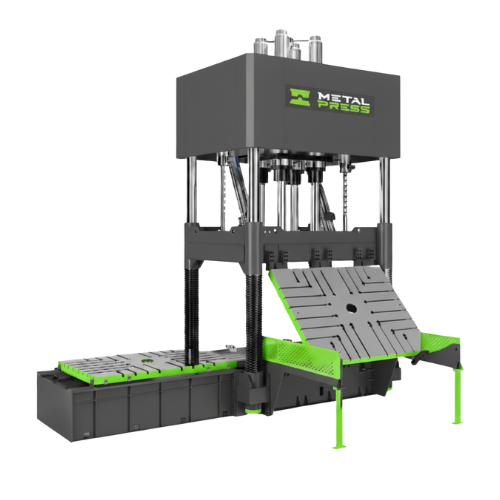
MSP-SB HYDRAULIC DIE SPOTTING & MOLD TRYOUT PRESS
- 75–660 US ton capacities across seventeen standard MSP-SB models
- 70–600 metric tonne capacities with multiple platen sizes
- Tilting and movable platen access for inspection and fitting work
- Four-corner platen parallelism with die and mold protection
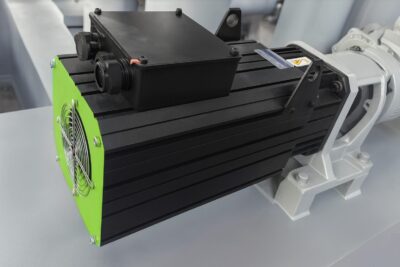
- Siemens PLC/HMI and servo drive for precise controlled movement
- Dual CAT4 light curtains and safety ratchet bars for operator protection
GET A QUICK DIE SPOTTING PRESS QUOTE
Send us your tooling and process details and we’ll help select the correct MSP-SB press.
HELP US SIZE THE RIGHT DIE SPOTTING PRESS
For the fastest recommendation, include:
Required Clamping Force
Target spotting or tryout capacity
Maximum Tool Weight & Envelope
Largest die or mold, including fixtures
Platen or Bed Size
Required support area and mounting pattern
Daylight, Stroke & Shut Height
Required opening and working positions
Inspection Access
Tilting, movable, swing-out, shuttle or side-bolster needs
Loading & Facility Layout
Crane or forklift access, aisle space and floor limits
Controls & Safety Requirements
Speed, parallelism, distance control and plant standards
Not sure of every specification?
No problem. Send us what you know and our engineering team can help determine the correct configuration.
MSP-SB-75-39-31
75 US tons / 70 tonnes
39 × 31 in
1000 × 800 mm
MSP-SB-130-55-43
130 US tons / 120 tonnes
55 × 43 in
1400 × 1100 mm
MSP-SB-175-63-51
160 US tons / 160 tonnes
63 × 51 in
1600 × 1300 mm
MSP-SB-220-70-63
220 US tons / 200 tonnes
70.8 × 63 in
1800 × 1500 mm
MSP-SB-300-78-63
300 US tons / 280 tonnes
78.7 × 63 in
2000 × 1600 mm
MSP-SB-350-86-70
350 US tons / 320 tonnes
86.6 × 70.8 in
2200 × 1800 mm
MSP-SB-385-118-98
385 US tons / 350 tonnes
118 × 98 in
2500 × 2000 mm
MSP-SB-440-118-78
440 US tons / 400 tonnes
118 × 78.7 in
3000 × 2000 mm
MSP-SB-440-118-98
440 US tons / 400 tonnes
118 × 98.4 in
3000 × 2500 mm
MSP-SB-440-137-98
440 US tons / 400 tonnes
137.8 × 98.4 in
3500 × 2000 mm
MSP-SB-550-118-78
550 US tons / 500 tonnes
118 × 78.7 in
3000 × 2000 mm
MSP-SB-550-122-82
550 US tons / 500 tonnes
122 × 82.6 in
3100 × 2100 mm
MSP-SB-550-137-98
550 US tons / 500 tonnes
137.8 × 98.4 in
3500 × 2500 mm
MSP-SB-550-157-98
550 US tons / 500 tonnes
157 × 98.4 in
4000 × 2500 mm
MSP-SB-660-137-98
660 US tons / 600 tonnes
137.8 × 98.4 in
3500 × 2500 mm
MSP-SB-660-157-98
660 US tons / 600 tonnes
157 × 98.4 in
4000 × 2500 mm
MSP-SB-660-157-118
660 US tons / 600 tonnes
157 × 118 in
4000 × 3000 mm
HYDRAULIC DIE SPOTTING PRESS TECHNICAL OVERVIEW
A mold spotting press — also known as a mold tryout press — is engineered specifically for precision mold alignment, tool validation, and safe manual inspection. Unlike standard production presses, a spotting press provides extremely accurate platen parallelism, low‑pressure control, and slow‑speed operation that allows technicians to safely open, close, and adjust molds during the fitting process. The press ensures perfect parting‑line contact, verifies shut‑height accuracy, and allows for detailed spotting using bluing agents or feeler gauges. Its ergonomic design, open access, and safety‑focused motion control make it ideal for moldmakers, toolrooms, and injection‑molding facilities. For operations that require flawless mold alignment and repeatable accuracy, a spotting press is an indispensable tool in the mold‑building and maintenance workflow.
A spotting press is designed for precision, safety, and accessibility during mold fitting and validation. Its rigid frame and precision‑ground platens ensure exceptional parallelism, while hydraulic controls allow for low‑pressure operation, slow closing speeds, and precise positioning. Many models include tilting platens for ergonomic access, sliding bolsters for easy mold loading, and safety interlocks that protect technicians during manual inspection. The press allows molds to be opened and closed repeatedly without damage, ensuring accurate parting‑line contact and proper alignment before the mold enters production. By reducing fitting time, improving mold accuracy, and preventing tooling damage, a spotting press delivers significant value to moldmakers, toolrooms, and injection‑molding facilities.
VIDEO OVERVIEW
See What This Spotting Press Has To Offer.
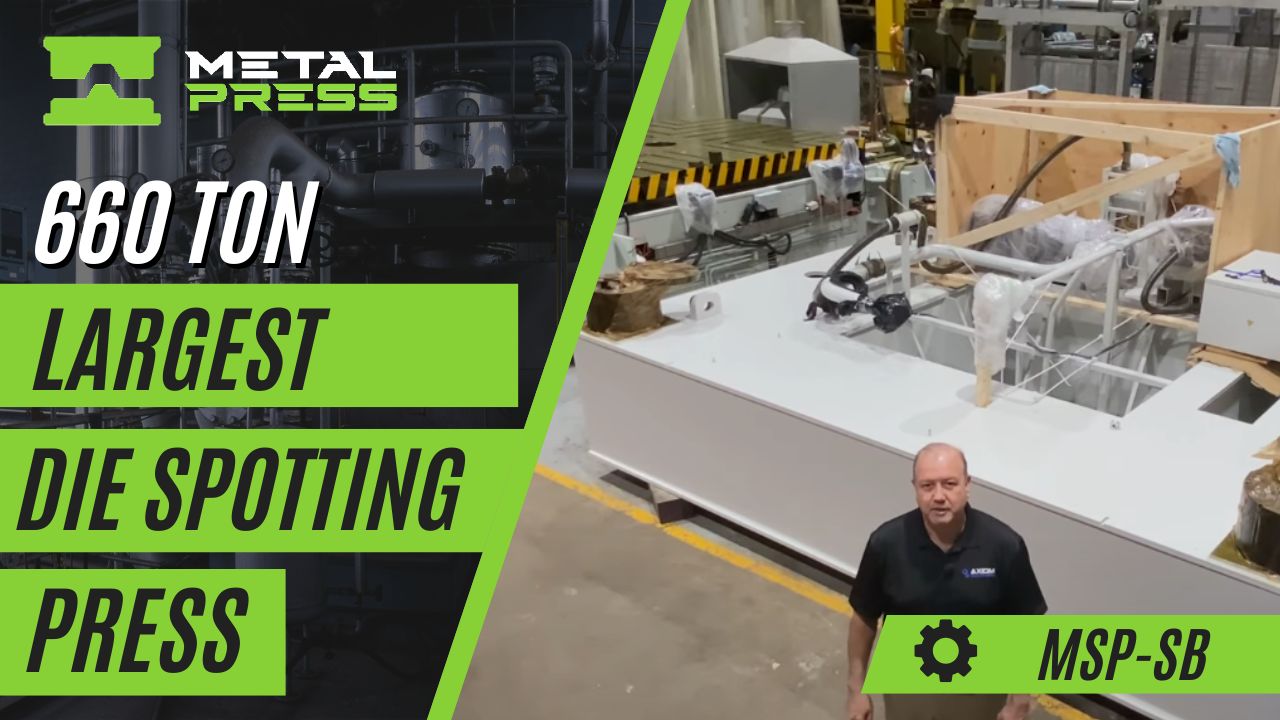
The MSP-SB Series die spotting presses are built solidly, and use only the finest quality components.

TWO VERSIONS AVAILABLE
Flexibility To Meet Your Needs.
The MSP-SB Series is also available without a side bolster table.
HIGHEST RETURN ON INVESTMENT
We Give You More Press For Your Money.
To be competitive in today’s economy requires that manufactures run their operations more efficiently and cost effectively than ever before. We offer the highest ROI (return on investment) in the industry. MetalPress gives you high-quality products for a reasonable investment and with more features than any other company. Simply put, we give you the most value for your money!


IT'S ALL ABOUT CONTROL
Greater Control Means Greater Efficiency.
Our die spotting presses feature advance Safety PLC control with large color HMI screens with easy to read graphics - all at no extra charge. See all press functions and parameters on a clear visual layout, and easily change anything on the fly. Now that is real control.
HIGH QUALITY CONTROL SYSTEM
Siemens PLC & HMI.
This spotting press features a top of the line Siemens PLC and HMI control system. Tried and tested, Siemens is available globally and offers excellent performance and service.

PLATEN PARALLELISM SYSTEM
Ensures True Squareness In Real Time.
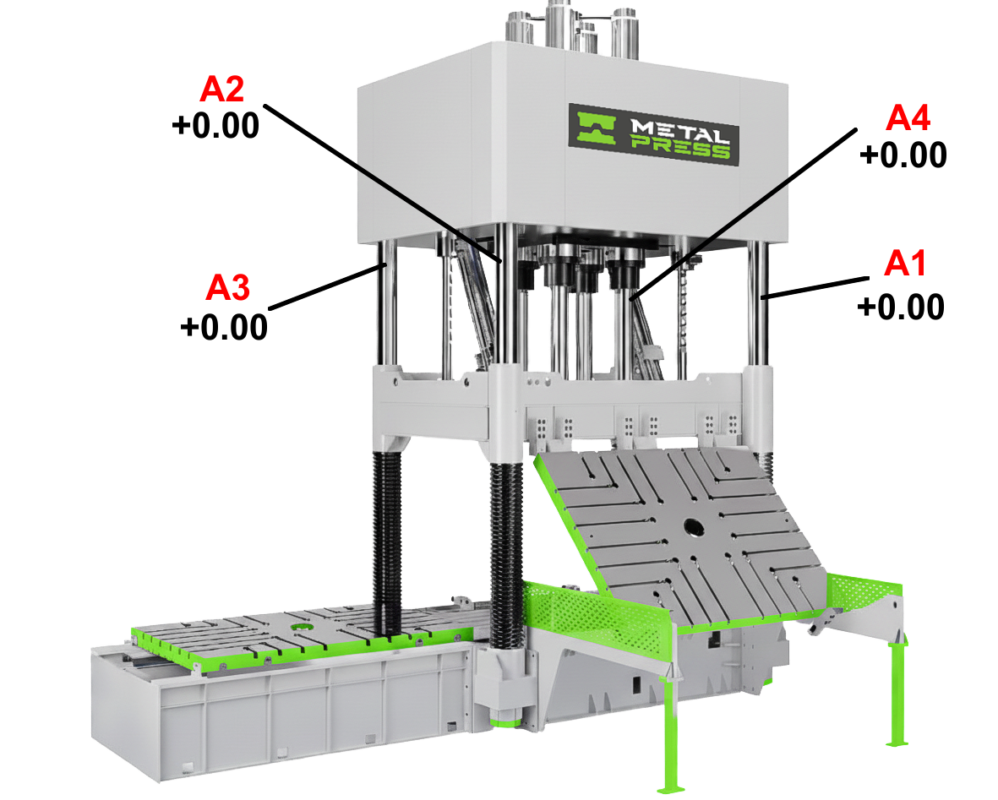
System consists of four encoders located at the four corners of the moving platen. The PLC screen continuously shows the position of each corner thus allowing for true parallelism during each stroke. The system has a die / mold protection feature. If the difference is more than the setting that has been entered the machine will stop immediately. This means that if a worker has left anything such as a tool inside the die / mold when the moving platen touches the tool the machine will stop immediately. This function helps to protect the die / mold before damage occurs.
SERVO DRIVE SYSTEM
Greater Accuracy and Efficiency.
Our servo system allows for greater accuracy of the moving platen stopping position and offers very significant energy savings.

DUAL LIGHT CURTAINS
Maximum Worker Safety.
We use two sets of CAT4 light curtains to ensure the press stops immediately if anyone enters or puts a limb in the pressing area.
DYNAMIC EJECTION CHECKING DEVICE
Added Convenience.
We include a dynamic ejector checking device to test if the mold / die springs are working correctly.


HIGH QUALITY COMPONENTS
We Use Brand Name Components You Know, Already Use and Trust.
We use only the finest quality components that are open source, and readily available locally in your area, or from our online parts store. We do not use any impossible to find proprietary components.
DUAL SAFETY RATCHET BARS
When It Comes to Safety Two Is Always Better Than One.
Our die spotting presses feature dual safety ratchet bars which add to worker safety.


REMOTE SERVICE
We Can Remotely Troubleshoot Your Die Spotting Press From Our Facility.
Our die spotting presses include a Remote Connectivity Unit which allows our press technicians to remotely check the performance of the press, make any needed changes to the program or HMI, or to troubleshoot it directly from our service center. The customer is only required to connect the unit to the Internet via an Ethernet cable. We handle the rest.
INDUSTRY 4.0 REMOTE MONITORING
Remotely Monitor Your Die Spotting Press Performance From Any Device.
As an option, all our die spotting presses are available with Industry 4.0 remote performance monitoring units which feature a custom dashboard. You can not only monitor press performance, but you can be notified before an issue occurs. Included are condition based maintenance reminders and shift performance statistics. Minimize impact of emergencies and maximize press uptime, and productivity. Monitor what is going on with the die spotting press and your production efficiency from any device, anywhere in the world.

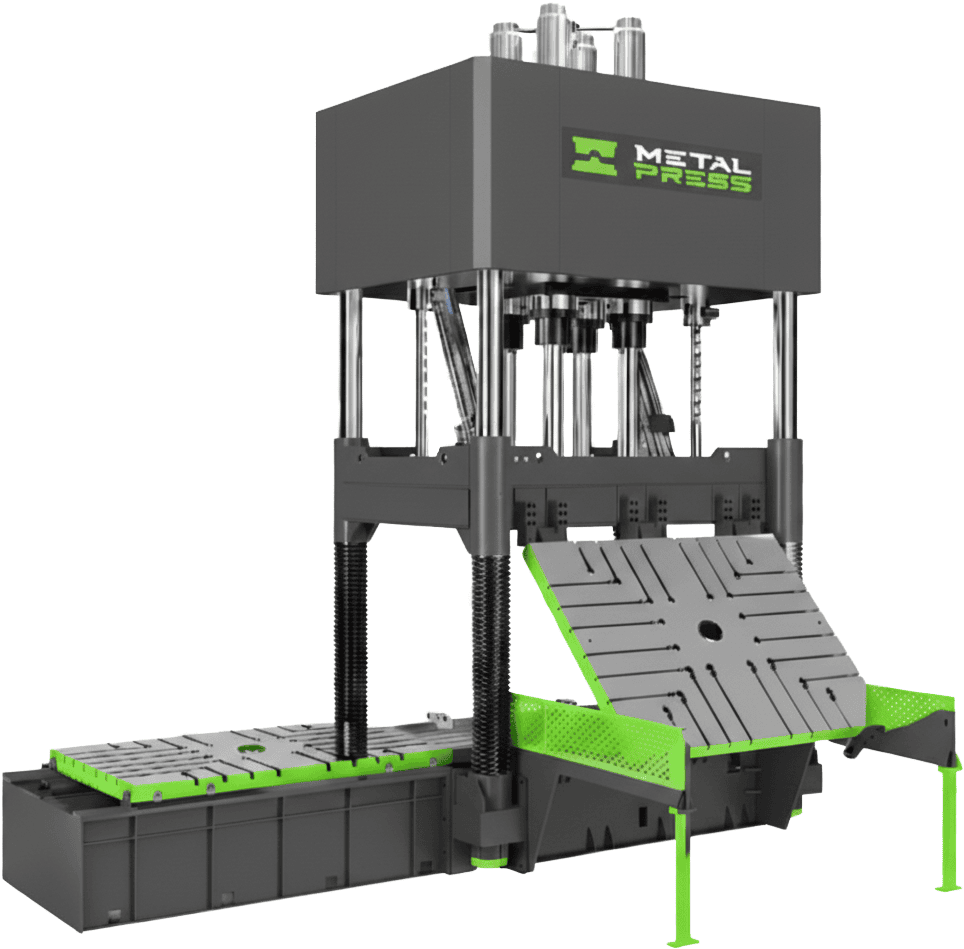
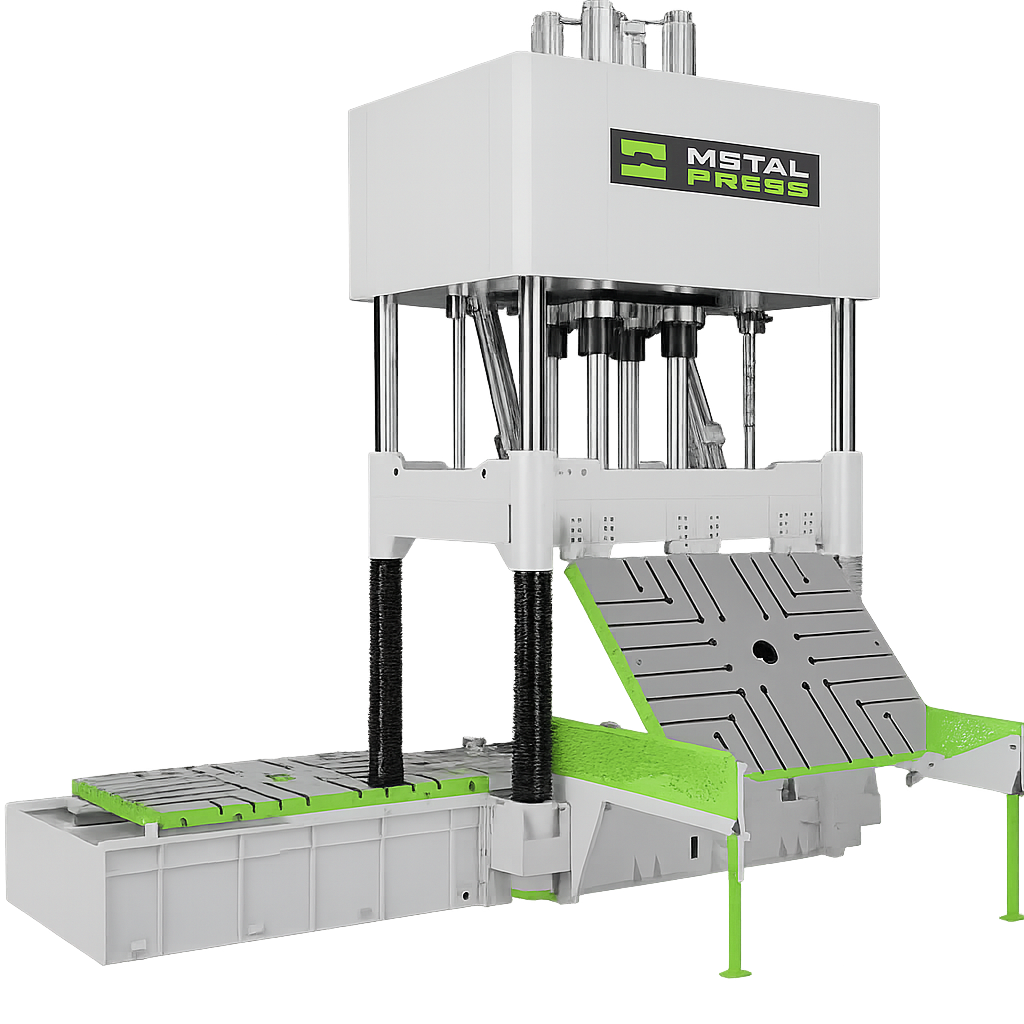
AVAILABLE IN DIFFERENT COLORS
We Can Blend in With the Rest
Choose from two standard colors that best fit your factory theme.
SEVENTEEN STANDARD MSP-SB SIZES
Flexible Range of Applications.
Available from 75 tons all the way up to 660 tons the MSP-SB Series of 4 post hydraulic die spotting presses can handle any die or mold project you may have.
| Standard | US / Imperial | Metric | ||
| Model | Clamping Force | Platen Size | Clamping Force | Platen Size |
| MSP-SB-75-39-31 | 75 Tons | 39” x 31” | 70 Tonnes | 1000 x 800 mm |
| MSP-SB-130-55-43 | 130 Tons | 55” x 43” | 120 Tonnes | 1400 x 1100 mm |
| MSP-SB-175-63-51 | 160 Tons | 63” x 51” | 160 Tonnes | 1600 x 1300 mm |
| MSP-SB-220-70-63 | 220 Tons | 70.8” x 63” | 200 Tonnes | 1800 x 1500 mm |
| MSP-SB-300-78-63 | 300 Tons | 78.7” x 63” | 280 Tonnes | 2000 x 1600 mm |
| MSP-SB-350-86-70 | 350 Tons | 86.6” x 70.8” | 320 Tonnes | 2200 x 1800 mm |
| MSP-SB-385-118-98 | 385 Tons | 118” x 98” | 350 Tonnes | 2500 x 2000 mm |
| MSP-SB-440-118-78 | 440 Tons | 118” x 78.7” | 400 Tonnes | 3000 x 2000 mm |
| MSP-SB-440-118-98 | 440 Tons | 118” x 98.4” | 400 Tonnes | 3000 x 2500 mm |
| MSP-SB-440-137-98 | 440 Tons | 137.8” x 98.4” | 400 Tonnes | 3500 x 2000 mm |
| MSP-SB-550-118-78 | 550 Tons | 118” x 78.7” | 500 Tonnes | 3000 x 2000 mm |
| MSP-SB-550-122-82 | 550 Tons | 122” x 82.6” | 500 Tonnes | 3100 x 2100 mm |
| MSP-SB-550-137-98 | 550 Tons | 137.8” x 98.4” | 500 Tonnes | 3500 x 2500 mm |
| MSP-SB-550-157-98 | 550 Tons | 157” x 98.4” | 500 Tonnes | 4000 x 2500 mm |
| MSP-SB-660-137-98 | 660 Tons | 137.8” x 98.4” | 600 Tonnes | 3500 x 2500 mm |
| MSP-SB-660-157-98 | 660 Tons | 157” x 98.4” | 600 Tonnes | 4000 x 2500 mm |
| MSP-SB-660-157-118 | 660 Tons | 157” x 118” | 600 Tonnes | 4000 x 3000 mm |
Die Spotting, Mold Tryout & Tool Verification Applications
The primary application of a spotting press is achieving perfect mold alignment and parting‑line accuracy. Moldmakers use the press to repeatedly open and close molds at slow, controlled speeds while checking for light gaps, misalignment, or uneven contact. This ensures the mold seats correctly before entering production, preventing flash, premature wear, and costly rework. The spotting press provides the precision and accessibility required for fine adjustments that standard hydraulic presses cannot safely support.
Spotting presses are essential for validating mold performance before full‑scale production. Technicians can test mold movement, verify shut‑height accuracy, check ejector systems, and ensure all components operate smoothly. The press’s precise control allows molds to be cycled repeatedly without damage. This tryout process ensures the mold is production‑ready, reducing startup issues and improving long‑term reliability.
Typical mold testing press applications include:
Functional mold testing
Ejector system verification
Core movement testing
Mold performance evaluation
Process validation
A spotting press provides the ideal environment for manual inspection and bluing operations. Technicians apply bluing agents to the mold surfaces and use the press to close the mold gently, revealing high and low spots that require adjustment. The slow‑speed, low‑pressure operation ensures safe, controlled contact, allowing moldmakers to fine‑tune surfaces with exceptional accuracy. This process is critical for achieving perfect parting‑line contact and eliminating imperfections.
Toolrooms rely on spotting presses for maintenance and repair work. When molds return from production, they often require cleaning, polishing, or component replacement. The spotting press allows technicians to safely open, close, and position molds for detailed work. Its ergonomic access and precise motion control reduce the risk of damage during maintenance, extending mold life and improving overall tooling performance.
Spotting presses are used to assemble and adjust mold components such as slides, lifters, ejector systems, and alignment features. The press allows technicians to verify that all moving parts operate smoothly and that the mold closes correctly without interference. This ensures that complex tooling functions as intended before being installed in a production machine.
Accurate shut‑height is essential for mold performance. A spotting press allows technicians to test and adjust shut‑height with precision, ensuring the mold closes evenly and consistently. The press’s rigid frame and precision‑ground platens maintain excellent parallelism, making it the ideal platform for verifying mold geometry and ensuring proper seating.
Spotting presses provide a safe, controlled environment for handling large or heavy molds. Many models include tilting platens or sliding bolsters that allow technicians to access mold surfaces without lifting or repositioning the mold manually. This reduces the risk of injury and prevents accidental damage to high‑value tooling.
During mold tryout, technicians use the spotting press to test cooling channels, venting paths, and ejector mechanisms. The press allows molds to be cycled repeatedly at controlled speeds, making it easier to identify issues such as sticking, uneven ejection, or improper venting. Addressing these problems during tryout prevents defects and improves production efficiency.
Spotting presses are often used as training platforms for new moldmakers and maintenance technicians. The slow‑speed, safe‑access design allows trainees to learn mold alignment, bluing, inspection, and adjustment techniques without the risks associated with production presses. This helps build skilled teams capable of maintaining high‑precision tooling.
Before a mold is released to production, quality teams use the spotting press to perform final checks on alignment, movement, and surface contact. This ensures the mold meets all specifications and reduces the likelihood of defects during initial production runs. The spotting press acts as the final quality gate, ensuring tooling is fully validated and ready for high‑volume operation.
This machine can also be described as a Die Matching Press where the focus is on achieving perfect alignment between upper and lower tooling surfaces. Controlled hydraulic motion ensures precise positioning and repeatable results.
Typical die matching press applications include:
Tool matching operations
Precision alignment work
Surface contact correction
Tool setup verification
High-accuracy fitting
In toolroom environments, this machine is often referred to as a Tool Tryout Press. It provides a safe and controlled platform for testing, adjusting, and repairing tooling without interrupting production equipment.
Typical tool tryout press applications include:
Toolroom inspection workflows
Die and mold maintenance
Repair validation
Preventive maintenance testing
Tool optimization
Hydraulic Die Spotting Press Frequently Asked Questions
A spotting press is essential because it provides the precision, safety, and controlled motion required for mold alignment, parting‑line verification, and tooling validation. Unlike standard hydraulic presses, a spotting press offers extremely slow closing speeds, low‑pressure operation, and precise platen parallelism. These features allow technicians to safely inspect molds, apply bluing, check shut‑height, and make fine adjustments without risking damage. For moldmakers and toolrooms, a spotting press is the only platform designed specifically for accurate mold fitting and repeatable tryout cycles.
A spotting press is designed to handle a wide range of molds and tooling used in injection molding, compression molding, die casting, and precision forming. This includes multi‑cavity molds, large molds, deep‑draw tooling, and molds with complex slides, lifters, or ejector systems. The press’s rigid frame and precision‑ground platens maintain excellent parallelism, ensuring accurate parting‑line contact across all mold sizes. Whether used for new mold construction or maintenance, the spotting press provides reliable, repeatable positioning for virtually any mold type.
A spotting press improves mold accuracy by allowing technicians to verify alignment, shut‑height, and parting‑line contact under controlled conditions. Slow‑speed closing and low‑pressure operation prevent damage while enabling precise adjustments. Bluing tests reveal high and low spots, allowing moldmakers to correct imperfections before the mold enters production. This reduces the likelihood of flash, uneven wear, or premature tooling failure. By catching issues early, the spotting press minimizes rework, shortens mold‑build timelines, and ensures molds are production‑ready.
Yes — many spotting presses include advanced ergonomic features such as tilting platens, sliding bolsters, and adjustable working heights. Tilting platens allow technicians to access mold surfaces without lifting or repositioning the mold manually, reducing strain and improving safety. Sliding bolsters simplify mold loading and unloading, especially for large or heavy molds. These features make the spotting press more efficient, more accessible, and safer for detailed mold inspection and adjustment work.
Yes — spotting presses and mold tryout presses are available to customers throughout the United States, Canada, and Mexico. Moldmakers, toolrooms, and injection‑molding facilities across North America rely on these presses for precision alignment, mold validation, and maintenance operations. Regional availability ensures faster delivery, reliable technical support, and access to replacement parts. Customers can choose from multiple tonnage capacities, platen sizes, tilting configurations, and control packages to match their mold‑fitting requirements.
PRESS WHITEPAPER
Examine Various Press Technologies
The Differences Between Mechanical, Hydraulic, Servo Mechanical, Servo Hydraulic, and Servo Electric Presses
Related Projects & Posts
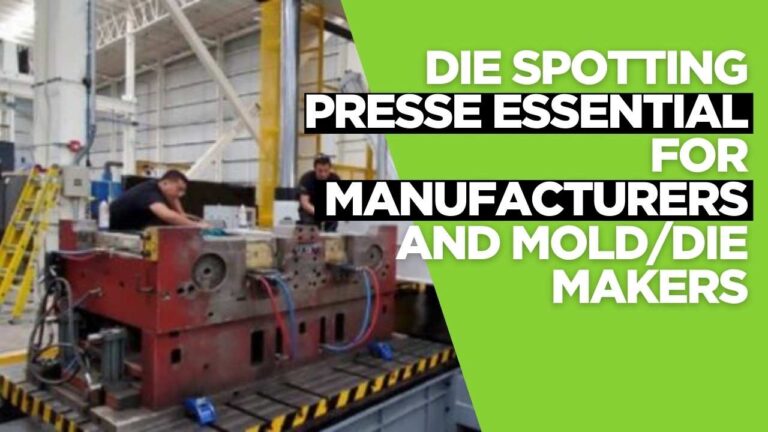
Die Spotting Presses are Essential for Manufacturers And Mold/Die Makers
Read about the essential role of a die spotting press in manufacturing and mold-die making. How you can boost your efficienry and reduce latency.
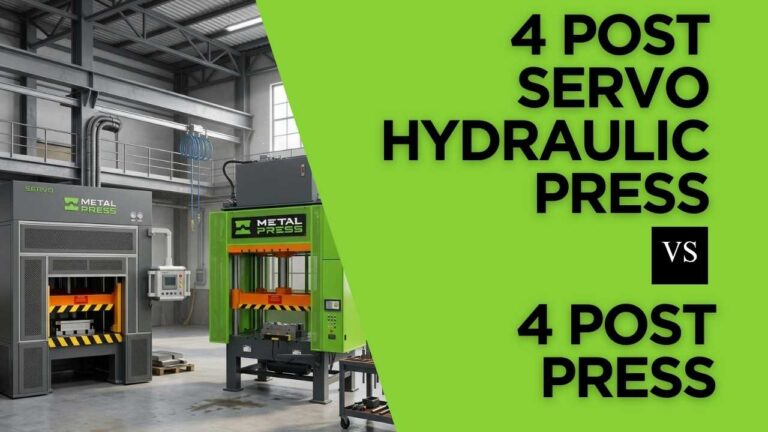
4-POST SERVO VS. TRADITIONAL HYDRAULIC
Mold tryout requires extreme precision and "micro-inching" capabilities to prevent damage to expensive dies. Discover why 4-post servo hydraulic technology outperforms traditional hydraulic systems in spotting applications where stroke control and energy efficiency are the highest priorities.
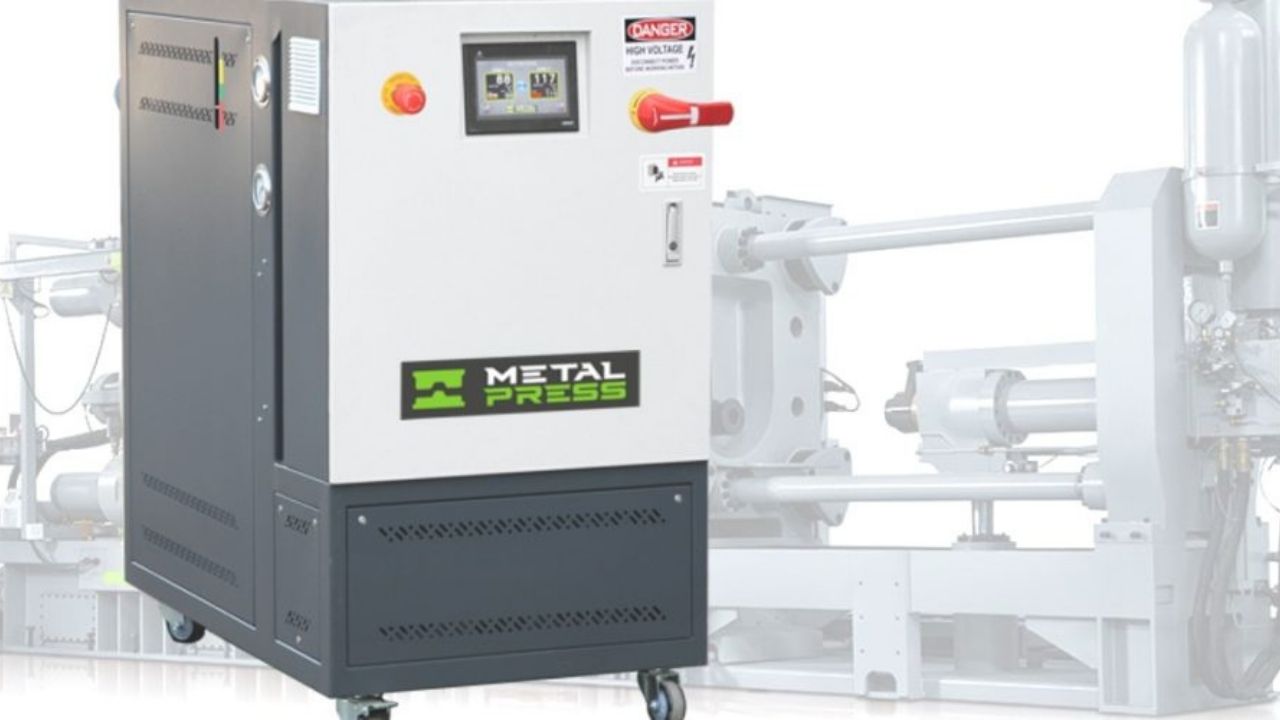
HOT OIL TEMPERATURE CONTROL UNITS
In plastic processing and high-precision molding, maintaining the correct die temperature is as critical as the physical fit. Read our case study on engineering hot oil temperature control units for plastic processing manufacturers to see how integrated thermal management improves the accuracy of your mold tryout phase.

WHY DIE SPOTTING PRESSES ARE ESSENTIAL FOR MANUFACTURERS AND MOLD/DIE MAKERS
Learn why die spotting and mold tryout presses help tooling teams verify contact, reduce fitting time, and protect molds and dies.
WHAT ARE HYDRAULIC PRESSES USED FOR? INDUSTRIAL APPLICATIONS AND PRESS SELECTION
Review common hydraulic press applications, press selection factors, and manufacturing processes that require controlled force and stroke.
MOLD & DIE HANDLING FOR METAL STAMPING
Explore mold and die handling practices for metal stamping teams that need safer setup, transfer, and tooling movement.
HEATING PLATENS AND HEATED PRESS SYSTEMS: A PRACTICAL GUIDE FOR MOLDING AND FORMING
Compare heated press systems, heating platens, molding applications, and temperature-control factors for forming and tooling work.
Selecting a Hydraulic Die Spotting and Mold Tryout Press
Start with the largest die or mold, required tonnage, platen size, daylight, stroke, shut height, inspection position, and access method. Then define the processes the press must support: contact-pattern verification, upper and lower tool alignment, parting-line inspection, fit checking, controlled closing, adjustment, repair verification, or tool requalification.
Rotating, tilting, swing-out, shuttle, rolling, or movable platen and bolster concepts solve different access and loading problems; availability is confirmed during engineering. For programmable motion control, compare the servo-hydraulic spotting press. For opening a tool into separate halves for internal service, use a die splitter and tester. Our die spotting process guide explains the verification workflow.
The MetalPress MSP Series is a hydraulic die spotting press and mold tryout press for controlled die and mold closing, contact verification, alignment, inspection, adjustment, repair, and pre-production tryout. It gives toolroom teams better access to upper and lower contact surfaces than a general-purpose production press.
Available configurations support die spotting, mold spotting, die tryout, mold tryout, checking, proofing, and maintenance across injection molds, stamping dies, die-casting tooling, compression molds, and other large industrial tools. Tilting and movable platen arrangements improve access for inspection and fitting work.
The standard range covers 75 to 660 tons. Machine selection should match required spotting capacity, platen or bed size, tooling weight and envelope, daylight opening, stroke, shut height, working speed, platen parallelism, distance control, access arrangement, and plant layout. Final specifications are engineered for the application.
Applications requiring programmable servo-hydraulic platen motion should be evaluated on the dedicated servo-hydraulic die spotting press page.