
COMPOSITE MOLDING TEMPERATURE CONTROL APPLICATIONS
Temperature control solutions for composite molding, composite curing, heated platens, stable mold temperatures, and more consistent molding performance.
INDUSTRIAL COMPOSITE MOLDING TEMPERATURE CONTROL
Composite molding temperature control is a critical part of maintaining part quality, reducing cycle variation, and keeping composite tooling running consistently. In composite molding, thermal stability affects resin flow, cure consistency, bond strength, surface finish, and final part integrity. A properly applied temperature control system helps maintain stable mold and platen temperatures, supports more repeatable curing conditions, and improves overall production consistency in demanding composite molding environments.
For an overview of related temperature control applications and equipment solutions, explore our Temperature Control Unit Applications resource hub.
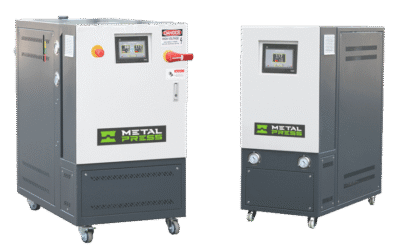
MetalPress supplies temperature control solutions built for real molding environments, and the current category positions these systems for composite processes alongside die casting and injection molding. The strongest fit for this application is the Hot Oil Temperature Control Unit, which is presented as ideal for high-temperature processes that need stable thermal performance, and specifically for laminating, bonding, and composite curing. The category also notes that MetalPress offers both hot oil and hot water temperature control units to cover a wide range of operating temperatures and application requirements.
GET A FREE QUOTE TODAY


THE RIGHT TEMPERATURE CONTROL EQUIPMENT FOR COMPOSITE MOLDING
HOT OIL TEMPERATURE CONTROL UNIT
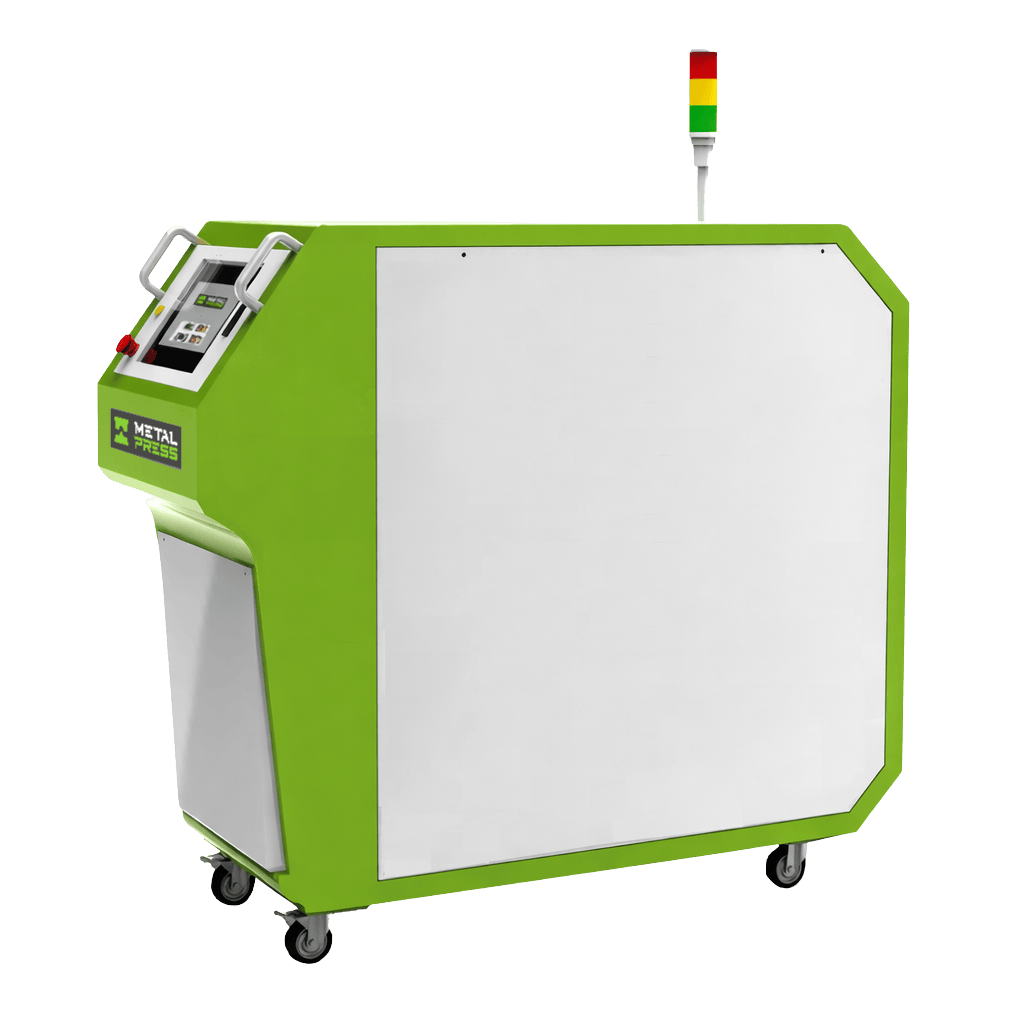
A hot oil temperature control unit for composite molding is the strongest fit when the process requires high-temperature stability, long dwell times, uniform heating, and precise control across molds, platens, presses, or curing fixtures. MetalPress positions hot oil TCUs for molding, extrusion, laminating, and industrial heating, and specifically calls out laminating, bonding, and composite curing as key application areas. It also states that hot oil systems are ideal for high-temperature processes requiring stable thermal performance without pressure, which makes them especially well suited for composite molding applications that need consistent heat over extended cycles.
For composite molding, a hot oil temperature control unit supports more than simple heating. It helps maintain uniform thermal energy across tooling surfaces, improves cure consistency, reduces temperature fluctuation, and supports better part quality and long-term process reliability. MetalPress also describes hot oil TCUs as ideal where high temperatures, long dwell times, or exceptional uniformity are required, which makes them a natural fit for composite molding, composite curing, and other demanding thermal processes.
WATER TEMPERATURE CONTROL UNIT
A water temperature control unit for composite molding can be a practical option when the process operates in a lower to mid-range temperature window and still requires reliable thermal regulation. MetalPress positions hot water temperature control units for high heat output, heating and cooling, and operating ranges from 95°F to 300°F, while also presenting water systems more broadly as efficient for lower to mid-range application requirements. This makes a water temperature control unit a useful solution for composite molding operations that do not require the higher-temperature range of thermal oil but still need stable, repeatable temperature management.
In composite molding environments, a water temperature control unit can support mold temperature stability, controlled cooling, and more repeatable production where the process temperature range fits water-based thermal management. It is a strong fit for buyers comparing hot oil versus hot water temperature control for composite applications and looking for a more efficient lower-temperature thermal solution.
TEMPERATURE CONTROL SYSTEMS FOR COMPOSITE MOLDING CELLS
A strong composite molding temperature control application is not only about a single heater. It is about maintaining stable thermal conditions across the full molding system, including molds, platens, presses, and curing fixtures. MetalPress describes its hot oil TCUs as delivering uniform temperature distribution across tooling and process surfaces, and specifically ties them to platens, presses, and curing fixtures in composite applications. It also describes temperature control as part of a complete forming and molding ecosystem that directly affects mold life, part quality, cycle time, and repeatability.
SELECTING THE RIGHT COMPOSITE MOLDING TEMPERATURE CONTROL SOLUTION
THE BEST COMPOSITE MOLDING TEMPERATURE CONTROL APPLICATION DEPENDS ON THE TOOLING, THE TEMPERATURE RANGE, AND THE CURING REQUIREMENT
Choosing the right composite molding temperature control application depends on the tooling size, the temperature range required, the dwell time, the curing profile, and the level of uniformity needed across the process. Some composite molding operations need a hot oil temperature control unit because the application requires higher temperatures, better thermal stability, and more uniform heat across molds or platens. Other operations may be better matched to a water temperature control unit when the process runs at lower temperatures but still needs consistent heating and cooling. MetalPress explicitly positions hot oil systems for high-temperature stable performance and hot water systems for lower to mid-range applications.
For composite molders, the right temperature control setup improves more than temperature alone. It supports better part quality, improved bond strength, lower cycle variation, and more predictable production performance. That is why buyers comparing composite molding temperature control, hot oil temperature control for composite curing, or water temperature control for composite molding are often really looking for a better thermal-management strategy for the entire molding process.
WHY COMPOSITE MOLDERS CHOOSE METALPRESS
Composite molders choose MetalPress because the temperature control lineup is aligned with the real thermal-management challenges of molding and curing operations: stable high-temperature performance, repeatable heat distribution, controlled process conditions, and better long-term thermal consistency. The Hot Oil Temperature Control Unit is the strongest solution for composite molding applications that need higher temperatures, long dwell times, and exceptional uniformity, while the Water Temperature Control Unit gives buyers another option when the process falls into a lower to mid-range thermal window.
Together, these solutions support a stronger workflow for composite molding temperature control applications, improve thermal stability, and help support more consistent curing and molding performance. This page should move the buyer toward the right product quickly if the current process is struggling with inconsistent heat, uneven cure performance, longer cycles, or part-quality variation related to temperature control.
NEED HELP MATCHING THE RIGHT TEMPERATURE CONTROL SOLUTION TO YOUR COMPOSITE MOLDING PROCESS?
If you already know your process temperature range, tooling size, dwell requirement, or curing profile, the next step is simple: choose the temperature control solution that best fits the job and continue to the product page to request a quote.
If you are still comparing a hot oil temperature control unit for composite molding versus a water temperature control unit, or evaluating the best setup for composite curing, laminating, bonding, heated platen molding, or uniform mold temperature control, use the equipment above to narrow the options first. The goal is to help you reach the right composite molding temperature control application faster, with less guesswork and a clearer path to the solution that fits your production workflow.
Expert Advice & Technical Resources
For composite molding temperature control applications, the right temperature control unit helps maintain stable process temperature, faster heat transfer, and repeatable production results. Whether the process requires industrial TCU, mold temperature control, heating, or cooling, the goal is to keep the tool and material within a predictable operating range. This added context helps buyers compare industrial TCU equipment, hot oil units, water units, and temperature control solutions for demanding manufacturing applications.
Related Technical Guides
Review these technical guides for additional engineering context on Temperature Control Units, equipment selection, safety, and production planning.
- Heating Platens and Heated Press Systems: A Practical Guide for Molding and Forming
- Finalizing & Precommissioning the THC‑D‑24 Hot Oil Temperature Control Unit
- Engineering the THC‑D‑24 Hot Oil Temperature Control Unit for Plastic Processing Manufacturer from Michigan
- How To Size A Temperature Control Unit To A Die Casting Machine