
INJECTION MOLDING PROCESS TEMPERATURE CONTROL
Process-level guidance for mold temperature stability, heat removal, cycle consistency, part quality, and cooling-channel performance in plastics production.
PLASTICS PROCESS TEMPERATURE CONTROL
Injection molding temperature control is one of the most important factors in maintaining part quality, reducing cycle times, and keeping molds running consistently. In plastic injection molding, thermal stability affects material flow, fill consistency, cooling time, dimensional repeatability, surface finish, and part release. A properly applied temperature control system helps maintain more stable mold temperatures, improves process consistency, and supports tighter production control across demanding molding cycles.
For an overview of related temperature control applications and equipment solutions, explore our Temperature Control Unit Applications resource hub.
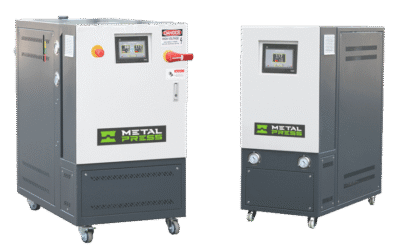
MetalPress supplies temperature control solutions built for real injection molding environments. The current lineup supports mold temperature regulation, stable process control, and more predictable cooling and heating performance across molding operations. For standard-temperature applications, Water Temperature Control Units are a strong fit for injection molding processes that require efficient and reliable mold temperature management. For mold maintenance and cooling performance restoration, the Water Channel Cleaning Unit helps remove buildup from mold cooling channels so coolant flow and heat transfer can return to proper levels. Together, these solutions support stronger injection molding temperature control, more stable cycle performance, and better long-term mold efficiency.
This page owns the process-intent family: injection molding temperature control, plastics processing temperature control, mold heat balance, cycle stability, and cooling performance. Buyers ready to compare equipment should continue to injection molding temperature control units or the hot water temperature control unit product page. High-temperature molds can instead be evaluated against the hot oil temperature control unit range.
Consistent process mold temperature control depends on heater and cooling capacity, process-water conditions, pump flow, pressure drop, channel layout, sensor placement, and clean passages. If scale or rust restricts cooling, review the water channel cleaning unit rather than compensating with a larger TCU.
GET A FREE QUOTE TODAY


THE RIGHT TEMPERATURE CONTROL EQUIPMENT FOR INJECTION MOLDING
WATER TEMPERATURE CONTROL UNIT
A water temperature control unit for injection molding is one of the strongest solutions when the process requires stable mold cooling, repeatable thermal regulation, and consistent mold temperature across production cycles. In injection molding, this type of unit is used to maintain proper mold temperature, improve thermal balance, reduce cycle variation, and support more consistent part quality. Water-based systems are especially well suited for standard-temperature molding applications where fast and reliable heat exchange is essential to process control.
For injection molding applications, a water temperature control unit also supports better productivity by helping the mold stay within a more stable operating range. That leads to more predictable cooling time, improved dimensional consistency, and fewer process disruptions caused by uneven temperature conditions. This makes the machine a strong fit for applications such as mold temperature control, injection mold cooling, plastic molding thermal control, and general injection molding process stability.
WATER CHANNEL CLEANING UNIT
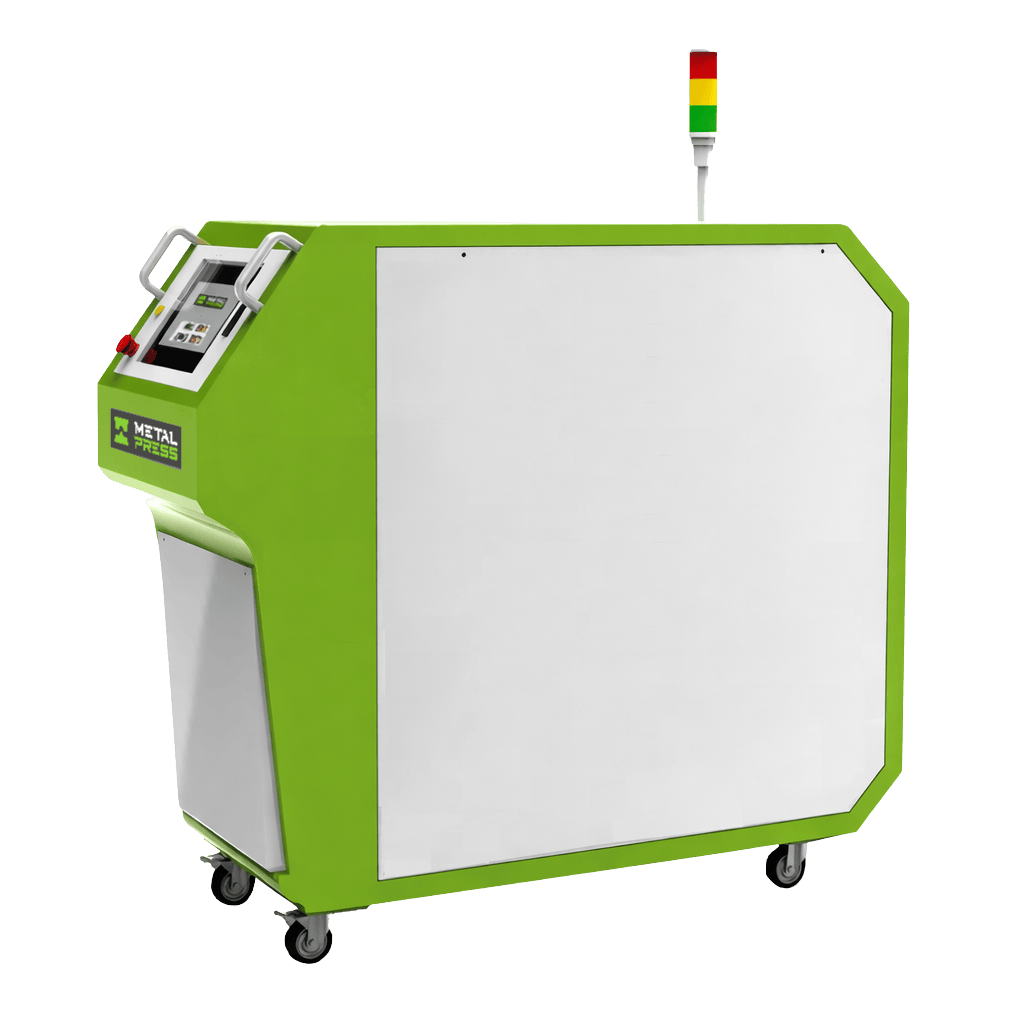
A water channel cleaning unit for injection molding is a critical support machine when mold cooling channels begin to lose efficiency because of scale, rust, corrosion, sludge, calcium buildup, or other contamination. In injection molding, clean cooling channels are essential because blocked or restricted flow reduces cooling performance, increases cycle time, creates hot spots, and makes part quality more difficult to control. A dedicated water channel cleaning unit restores coolant circulation and improves heat transfer by cleaning internal mold cooling circuits and removing the buildup that restricts flow.
For injection molding applications, this makes the water channel cleaning unit an important part of the overall temperature control strategy rather than a separate maintenance task. Clean channels help reduce longer cycles, unstable mold temperatures, dimensional variation, and avoidable production interruptions. This also makes the machine a strong fit for mold maintenance, injection mold cooling restoration, preventive maintenance programs, and thermal-efficiency improvement in molding operations.
TEMPERATURE CONTROL SYSTEMS FOR INJECTION MOLDING CELLS
A strong injection molding temperature control application is not only about running a single machine. It is also about maintaining stable thermal conditions across the full molding cell. A well-designed temperature control setup supports more consistent mold heating and cooling, smoother startup conditions, tighter cycle control, and more repeatable part quality across the full production run.
SELECTING THE RIGHT INJECTION MOLDING TEMPERATURE CONTROL SOLUTION
THE BEST INJECTION MOLDING TEMPERATURE CONTROL APPLICATION DEPENDS ON THE MOLD, THE TEMPERATURE RANGE, AND THE COOLING CONDITION
Choosing the right injection molding temperature control application depends on the mold size, the resin being processed, the production temperature range, the cooling requirements, and the condition of the mold’s internal cooling system. Some injection molding operations need a water temperature control unit as the primary solution for stable mold cooling and repeatable mold temperature regulation. Others also need a water channel cleaning unit because cooling performance has already been reduced by contamination inside the mold channels. In many cases, both solutions work together: one controls temperature, and the other restores the flow needed to make that temperature control effective.
For injection molding plants, the right temperature control setup improves more than mold temperature alone. It improves cycle consistency, helps reduce scrap, supports better part finish, improves dimensional repeatability, and helps keep molds running more efficiently over time. That is why buyers searching for injection molding temperature control, mold temperature control for injection molding, plastic molding cooling systems, or water channel cleaning for injection molds are often really looking for a more complete thermal-performance solution.
WHY INJECTION MOLDERS CHOOSE METALPRESS
Injection molders choose MetalPress because the temperature control lineup is aligned with the real thermal-management challenges of molding operations: stable mold temperature, repeatable cooling performance, better part consistency, and restoration of channel flow when mold cooling performance begins to decline. A water temperature control unit helps regulate mold temperature in standard-temperature applications, while a water channel cleaning unit helps restore coolant circulation and improve heat transfer when the mold channels have become restricted.
Together, these solutions support a stronger workflow for injection molding temperature control applications, reduce thermal instability, improve cooling performance, and help protect mold efficiency in demanding production environments. This page should move the buyer toward the right product quickly if the current process is struggling with uneven mold temperature, longer cooling times, unstable part quality, or reduced cooling-channel performance.
NEED HELP MATCHING THE RIGHT TEMPERATURE CONTROL SOLUTION TO YOUR INJECTION MOLDING PROCESS?
If you already know your process temperature range, mold size, resin type, or cooling challenges, the next step is simple: choose the temperature control solution that best fits the job and continue to the product page to request a quote.
If you are still comparing a water temperature control unit for injection molding versus a water channel cleaning unit, or evaluating the best setup for mold temperature stability, plastic injection molding cooling, cycle time improvement, or cooling channel efficiency restoration, use the equipment above to narrow the options first. The goal is to help you reach the right injection molding temperature control application faster, with less guesswork and a clearer path to the solution that fits your production workflow.
Expert Advice & Technical Resources
For injection molding temperature control applications, the right temperature control unit helps maintain stable process temperature, faster heat transfer, and repeatable production results. Whether the process requires industrial TCU, mold temperature control, heating, or cooling, the goal is to keep the tool and material within a predictable operating range. This added context helps buyers compare industrial TCU equipment, hot oil units, water units, and temperature control solutions for demanding manufacturing applications.
Related Technical Guides
Review these technical guides for additional engineering context on Temperature Control Units, equipment selection, safety, and production planning.
- Heating Platens and Heated Press Systems: A Practical Guide for Molding and Forming
- Finalizing & Precommissioning the THC‑D‑24 Hot Oil Temperature Control Unit
- Engineering the THC‑D‑24 Hot Oil Temperature Control Unit for Plastic Processing Manufacturer from Michigan
- How To Size A Temperature Control Unit To A Die Casting Machine
Use the mold temperature controller selection guide for engineering inputs and the injection molding TCU guide for equipment-specific terminology. This page remains focused on process performance rather than the broad product category.