
COIL HANDLING FOR COIL PROCESSING
Coil handling solutions for safer coil movement, controlled coil rotation, better line staging, and more efficient coil processing workflows.
COIL PROCESSING COIL HANDLING EQUIPMENT
TIER 1 COIL HANDLING MANUFACTURER
Coil processing depends on more than the processing line itself. The way coils are moved, rotated, staged, and prepared before entering slitting lines, cut-to-length lines, blanking lines, decoilers, and other downstream equipment has a direct effect on safety, uptime, workflow, and material control. In facilities handling steel coils, aluminum coils, and other metal coils, inefficient handling can create bottlenecks before processing even begins. That is why coil handling for coil processing is such an important part of the overall operation.
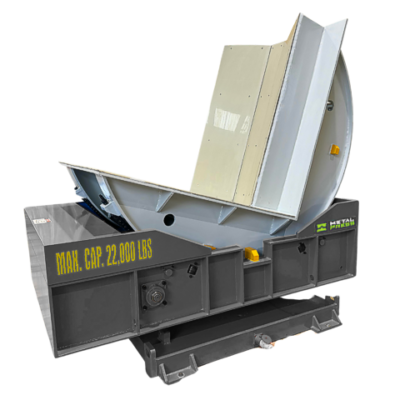
For controlled 90-degree orientation change before a slitter, cut-to-length line, or decoiler, review the MCT coil tipper, coil upender, coil flipper, and coil rotator product page.
For an overview of related coil handling applications and equipment solutions, explore our Coil Handling Applications resource hub.
MetalPress supplies coil processing coil handling equipment designed for real production environments. Our coil handling lineup supports safer and more repeatable coil movement in storage, transport, staging, and line-entry applications. Whether the facility needs a coil transport cart for coil processing or a coil tipper / coil upender for coil processing, the goal is the same: move heavy coils safely, rotate them into the correct orientation, and support smoother material flow between storage areas, processing lines, and production workstations. This page is built to support search intent around coil handling for coil processing, coil transport cart, coil transfer cart, coil tipper, coil upender, steel coil handling equipment, and aluminum coil handling equipment.
A coil tipper for coil processing is often the preferred orientation tool before a slitter or cut-to-length line. In that role, a coil tipper for slitting lines rotates the load before it is presented to downstream equipment.
When coils must travel from storage to a slitter, cut-to-length line, blanking line, or decoiler, review the MCC coil transfer cart for coil-processing lines for machine construction, drive, controls, and quotation details.
COIL HANDLING EQUIPMENT FOR COIL PROCESSING
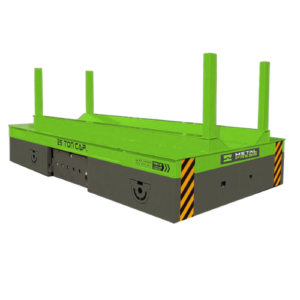
COIL TRANSPORT CART
A coil transport cart for coil processing is widely used to move coils safely between storage areas, staging zones, and active processing lines. In coil processing environments, this is one of the most important parts of the material-handling workflow because the line depends on coils arriving in the right place, in the right order, and in a stable condition. A dedicated coil transport cart, coil transfer cart, or coil handling cart helps standardize movement while reducing the risks associated with forklifts, unstable transport, or repeated short-distance manual handling.
For coil processing, a coil transport cart is especially valuable when moving coils to slitting lines, cut-to-length lines, blanking lines, decoilers, or staging areas before production. It creates a more organized workflow between storage, processing, and production while supporting safer handling of heavy steel and aluminum coils.
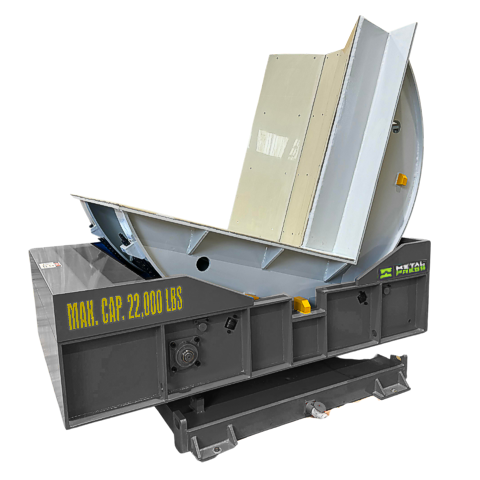
COIL TIPPER / COIL UPENDER
A coil tipper or coil upender for coil processing is used when a coil must be rotated into the correct orientation before it enters downstream equipment. In many coil processing operations, the material must be turned from one position to another so it can be loaded correctly into a decoiler, uncoiler, slitting line, or related processing system. A dedicated coil tipper, coil upender, or coil flipper helps perform that rotation safely while reducing the risk of coil shifting, edge damage, flattening, or unsafe handling.
For coil processing lines, this makes the coil tipper / coil upender one of the strongest equipment fits on the page. It supports safer preparation for line entry, better coil orientation control, and more predictable handling before processing begins.
COIL HANDLING SYSTEMS FOR PROCESSING LINES
In coil processing, handling equipment must work as part of a broader material-flow system. Coils often move from storage to staging, from staging to orientation equipment, and from there into the processing line. That means coil handling systems for coil processing are not just about transport. They are about improving how the entire workflow operates. A stronger handling setup helps reduce delays, improve operator safety, and support more efficient movement between storage areas, decoilers, slitting lines, blanking lines, and other downstream equipment.
SELECTING THE RIGHT COIL HANDLING FOR COIL PROCESSING
THE BEST COIL HANDLING FOR COIL PROCESSING DEPENDS ON THE COIL, THE LINE LAYOUT, AND THE PROCESS FLOW
Choosing the right coil handling for coil processing depends on the size and weight of the coil, how the material moves through the facility, and the way the coil enters the processing line. Some plants need a coil transport cart mainly for moving coils from storage to staging or directly to the line. Others need a coil tipper / coil upender because the coil must be rotated before entering a decoiler, slitting line, cut-to-length line, or other downstream processing equipment. In many operations, both machines work together so the coil can be moved safely, rotated correctly, and prepared more efficiently before processing starts.
For facilities processing steel coils, aluminum coils, or specialty metal coils, the right handling setup improves more than safety. It improves line readiness, reduces repeated handling steps, supports better material flow, and helps create a more predictable production rhythm. That is why buyers searching for coil handling for coil processing, coil transport cart for processing, or coil upender for line preparation are often really looking for a better end-to-end workflow.
WHY COIL PROCESSORS CHOOSE METALPRESS
Coil processors choose MetalPress because the equipment is aligned with the real challenges of coil-fed operations: safe transport, safe rotation, controlled staging, and efficient line support. A coil transport cart helps move heavy coils between storage, staging, and processing zones with more control and less risk. A coil tipper / coil upender helps rotate coils safely for line entry and downstream use. Together, they support a stronger material-handling workflow for coil processing facilities, service centers, slitting operations, blanking operations, and other coil-based production environments.
NEED HELP MATCHING THE RIGHT COIL HANDLING EQUIPMENT TO YOUR COIL PROCESSING OPERATION?
If you already know your coil size, line layout, storage flow, or processing method, the next step is simple: choose the coil handling equipment that best fits the job and continue to the product page to request a quote.
If you are still comparing a coil transport cart for coil processing versus a coil tipper / coil upender for coil processing, or evaluating the best setup for slitting line coil handling, decoiler loading, cut-to-length staging, or broader heavy coil handling equipment, use the equipment sections above to narrow the options first. The goal is to help you reach the right coil handling for coil processing solution faster, with less guesswork and a clearer path to the machine that fits your workflow.
Frequently Asked Questions
Coil handling for coil processing is the process of moving, rotating, staging, and preparing metal coils before they enter slitting lines, cut-to-length lines, blanking lines, decoilers, and other downstream processing equipment. It supports safer material flow and more efficient line operation.
The most common equipment includes a coil transport cart for moving coils through the facility and a coil tipper / coil upender for rotating coils into the correct orientation before they enter line equipment.
A coil transport cart helps move steel and aluminum coils safely between storage, staging, and active processing lines. It improves workflow, supports safer handling, and reduces the risks associated with repeated forklift movement or unstable transport methods.
A coil upender is useful because many coil processing lines require the coil to be rotated before it can enter a decoiler, slitting line, uncoiler, or related downstream system. Controlled rotation improves positioning and helps prevent coil damage during preparation.
The most common applications include storage-to-line transfer, staging before processing, coil rotation for line entry, decoiler loading support, and safer movement of heavy coils between work areas.
Coil processing systems commonly handle steel coils, aluminum coils, and other metal coils that need safe, repeatable movement and preparation before entering downstream line equipment.
Controlled coil movement helps reduce bottlenecks, improve operator safety, protect the coil from edge damage or deformation, and support better throughput across the processing operation.
Expert Advice & Technical Resources
For coil handling for coil processing, coil handling equipment supports safer coil positioning, press feeding, coil transport, and smoother material flow in metal stamping or coil processing lines. Equipment selected around coil handling system, press feeding, metal stamping line can reduce manual handling, protect coil edges, and improve loading around presses, decoilers, and transfer areas. This is especially useful for plants trying to improve operator safety while keeping heavy coils moving reliably through production.
Related Technical Guides
Review these technical guides for additional engineering context on Coil Handling, equipment selection, safety, and production planning.
- Hydraulic vs Mechanical vs Electric Coil Upenders: What Buyers Should Compare
- Coil Tipper vs Coil Upender vs Coil Inverter: Which One Fits Your Plant?
- Blanking Line vs. Punch Press: How Sheet Metal Cutting Processes Work
- Automated Stamping Systems in Metal Forming: A Technical Analysis of Automated Presses and Tooling Integration