

Blog
Hydroforming Technology: Processes, Applications, and Advanced Techniques

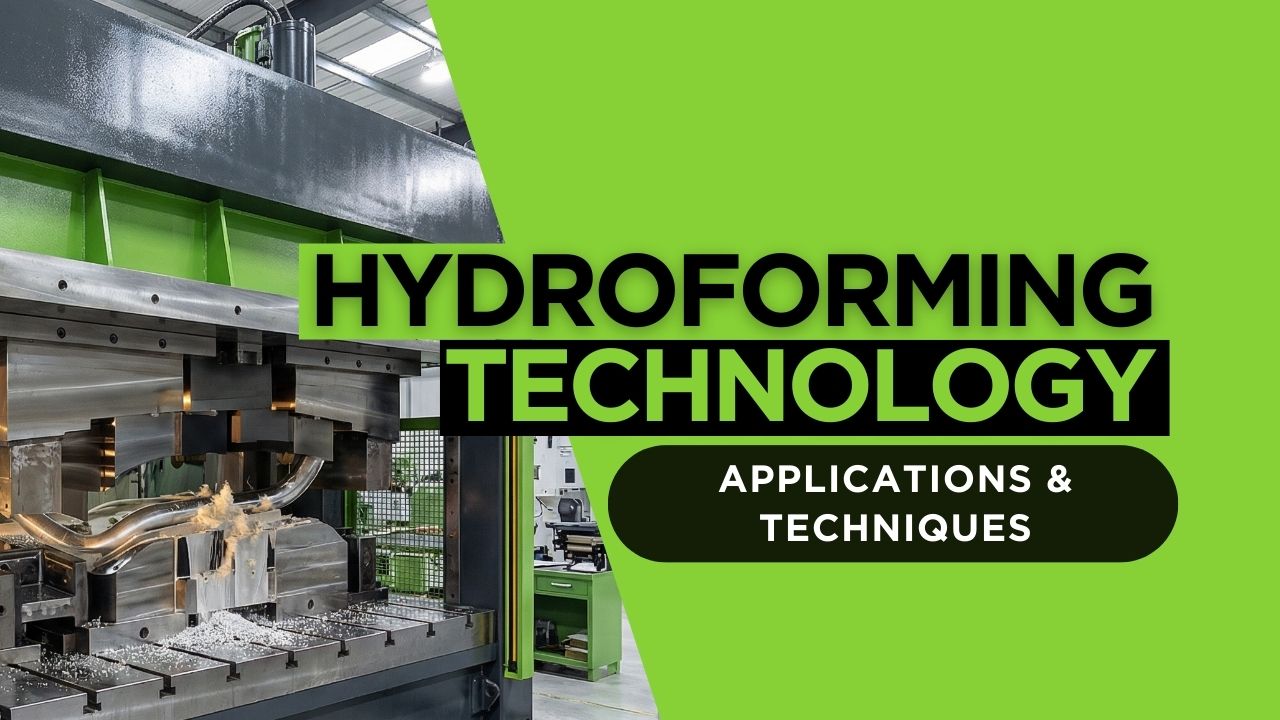
Hydroforming is a metal forming process that uses high-pressure hydraulic fluid to shape ductile metals into precise, complex geometries. This process is widely used in industries such as automotive, aerospace, and industrial fabrication, where components require high strength, uniform wall thickness, and lightweight design.
This page provides a comprehensive guide to hydroforming, including hydroforming aluminum, steel, stainless steel, tubing, sheet metal, and exhaust systems, as well as hydroforming presses, machines, and innovative techniques like pressure washer hydroforming.
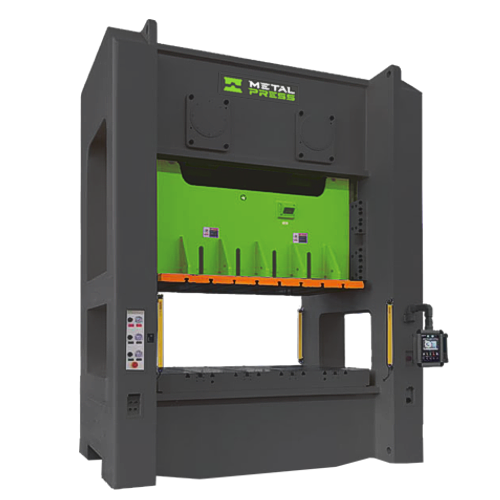
At MetalPress Machinery, we supply robust hydraulic press platforms — including H-frame and column-guided designs — capable of supporting the high-pressure systems, precise control, and structural rigidity required for hydroforming and related fluid-based forming processes.
What Is Hydroforming?
Hydroforming is a specialized forming process where high-pressure hydraulic fluid is used to press metal into a die cavity. Unlike traditional stamping or forming, hydroforming applies uniform pressure over the workpiece, which reduces thinning, wrinkling, and tooling stress.
Key benefits of hydroforming include:
Ability to produce complex shapes with smooth contours
Improved material utilization and reduced scrap
Enhanced structural rigidity due to uniform wall thickness
Lower tooling costs compared to multiple stamping operations
Hydroforming can be performed on sheet metal, tubes, and hollow profiles, making it versatile for modern manufacturing.
👉 MetalPress Machinery is a pioneer in the metal forming industry. We provide a wide range of solutions for different fields. If you need Consultation, Quote or more information on our products, our specialsits are near you.
Hydroforming Processes
Hydroforming techniques can be classified into two main categories:
1. Sheet Hydroforming
Used for sheet metal components, typically aluminum, steel, or stainless steel.
The sheet is clamped over a die and high-pressure fluid forces it into the cavity.
Common applications: automotive panels, aerospace parts, and complex industrial covers.
Advantages: precise contours, reduced springback, fewer secondary operations.
2. Tube Hydroforming
Used for tubular or hollow components, including steel and aluminum tubing.
Tubes are sealed at both ends and filled with hydraulic fluid under high pressure.
Applications: automotive chassis components, exhaust systems, and aerospace frames.
Advantages: complex cross-sections, integrated bends, lightweight structures.
Hydroforming of aluminum and stainless steel is especially valued in automotive and aerospace industries for its strength-to-weight benefits.
Hydroforming Processes
Hydroforming techniques can be classified into two main categories:
1. Sheet Hydroforming
Used for sheet metal components, typically aluminum, steel, or stainless steel.
The sheet is clamped over a die and high-pressure fluid forces it into the cavity.
Common applications: automotive panels, aerospace parts, and complex industrial covers.
Advantages: precise contours, reduced springback, fewer secondary operations.
2. Tube Hydroforming
Used for tubular or hollow components, including steel and aluminum tubing.
Tubes are sealed at both ends and filled with hydraulic fluid under high pressure.
Applications: automotive chassis components, exhaust systems, and aerospace frames.
Advantages: complex cross-sections, integrated bends, lightweight structures.
Hydroforming of aluminum and stainless steel is especially valued in automotive and aerospace industries for its strength-to-weight benefits.
Hydroforming Materials
Hydroforming can be applied to a variety of metals, depending on the application:
Aluminum: Lightweight and corrosion-resistant; widely used in automotive and aerospace.
Steel: Strong and cost-effective; suitable for high-load structural components.
Stainless steel: Resistant to corrosion; used in medical, industrial, and exhaust applications.
Titanium: High strength-to-weight ratio; commonly used in aerospace and advanced manufacturing.
Hydroforming Machines and Presses
Hydroforming operations require specialized hydroforming presses and hydroforming machines. These machines can be either sheet hydroforming presses or tube hydroforming presses.
Key equipment features:
High-pressure hydraulic systems (up to several thousand bar)
Precision dies and clamps
Control systems for pressure, flow rate, and stroke
Automation capabilities for high-volume production
Many modern hydroforming machines integrate hydraulic and CNC controls for precise, repeatable production.
Advanced Hydroforming Techniques
Pressure Washer Hydroforming
Uses pressurized water in a controlled setup to form small parts or prototypes.
Benefits: low-cost prototyping, reduced tooling requirements.
Hydroforming Exhaust Systems
Used to shape tubular exhaust components in automotive applications.
Advantages: smooth bends, minimal welding, improved airflow efficiency.
Hydroforming Stainless Steel
Provides corrosion resistance and structural integrity for industrial and aerospace applications.
Hydroforming Spheres and Complex Geometries
Achieved through multi-stage hydroforming processes for high-precision, complex parts.
Applications of Hydroforming
Hydroforming is used across multiple industries:
Automotive: Chassis components, exhaust systems, structural brackets, and lightweight frames.
Aerospace: Sheet metal panels, fuselage components, and high-precision tubes.
Industrial: Enclosures, housings, and tubular frameworks.
Consumer Products: Lightweight, durable, and aesthetic sheet metal components.
The ability to produce complex shapes in a single operation reduces assembly time and improves structural integrity.
Advantages of Hydroforming Over Traditional Methods
Uniform Wall Thickness: Minimizes weak points and ensures consistent material properties.
Material Efficiency: Reduces scrap and secondary operations compared to stamping or bending.
Complex Geometry: Enables shapes that are difficult or impossible with conventional stamping.
Reduced Tooling Costs: Single die and pressure system can replace multiple stamping and forming tools.
Weight Reduction: Especially important in automotive and aerospace applications.
Trends in Hydroforming Technology
Hybrid Hydroforming: Combines hydroforming with traditional stamping or forming operations for complex parts.
Simulation and CAD Integration: Software predicts material behavior to optimize die design and pressure control.
Lightweighting Initiatives: Hydroforming aluminum and high-strength steel for automotive and aerospace fuel efficiency.
Advanced Stainless Steel Hydroforming: For medical and industrial applications where corrosion resistance is critical.
Conclusion
Hydroforming is a versatile, high-precision metal forming technology that enables manufacturers to produce complex, lightweight, and durable components. Whether working with aluminum, steel, stainless steel, or titanium, hydroforming reduces material waste, simplifies tooling, and improves structural performance.
From sheet hydroforming to tube hydroforming, hydroforming presses to innovative methods like pressure washer hydroforming, this process is central to modern industrial applications, including automotive, aerospace, and industrial fabrication. Understanding hydroforming processes and equipment ensures high-quality production while minimizing costs and maximizing efficiency.
Let Us Make Your Next Press
Whether you’re located in the USA, Canada, Mexico, or South America, you can contact us for more information, pricing, and consultations through our online forms, or by phone or email.