
BLOW MOLDING TEMPERATURE CONTROL UNITS
Temperature control for blow molds, neck tooling, process-water circuits, cooling stability, cycle consistency, and repeatable container quality.
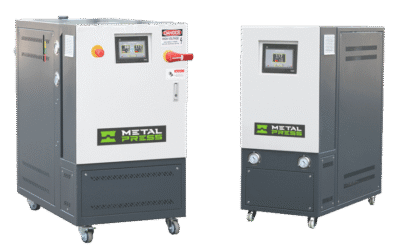
INDUSTRIAL BLOW MOLDING TEMPERATURE CONTROL
Blow molding temperature control influences parison behavior, mold-wall temperature, cooling time, dimensional stability, surface quality, wall-thickness consistency, release, and total cycle time. A blow molding temperature control unit circulates conditioned water or thermal oil through mold halves, neck tooling, calibration components, and other external circuits that require stable heat transfer.
A water-based blow molding TCU is commonly evaluated where fast heat removal and responsive cooling are priorities. Oil may be considered for elevated-temperature tooling or specialized thermal duties. The correct choice depends on mold mass, resin, target temperature, cycle, cavity count, channel design, required flow, circuit pressure drop, cooling-water conditions, heater capacity, and heat exchanger performance.
For equipment specifications, compare the hot water temperature control unit product page and hot oil temperature control unit product page. The industrial mold temperature controller guide explains shared sizing considerations across plastics processes.
GET A FREE QUOTE TODAY


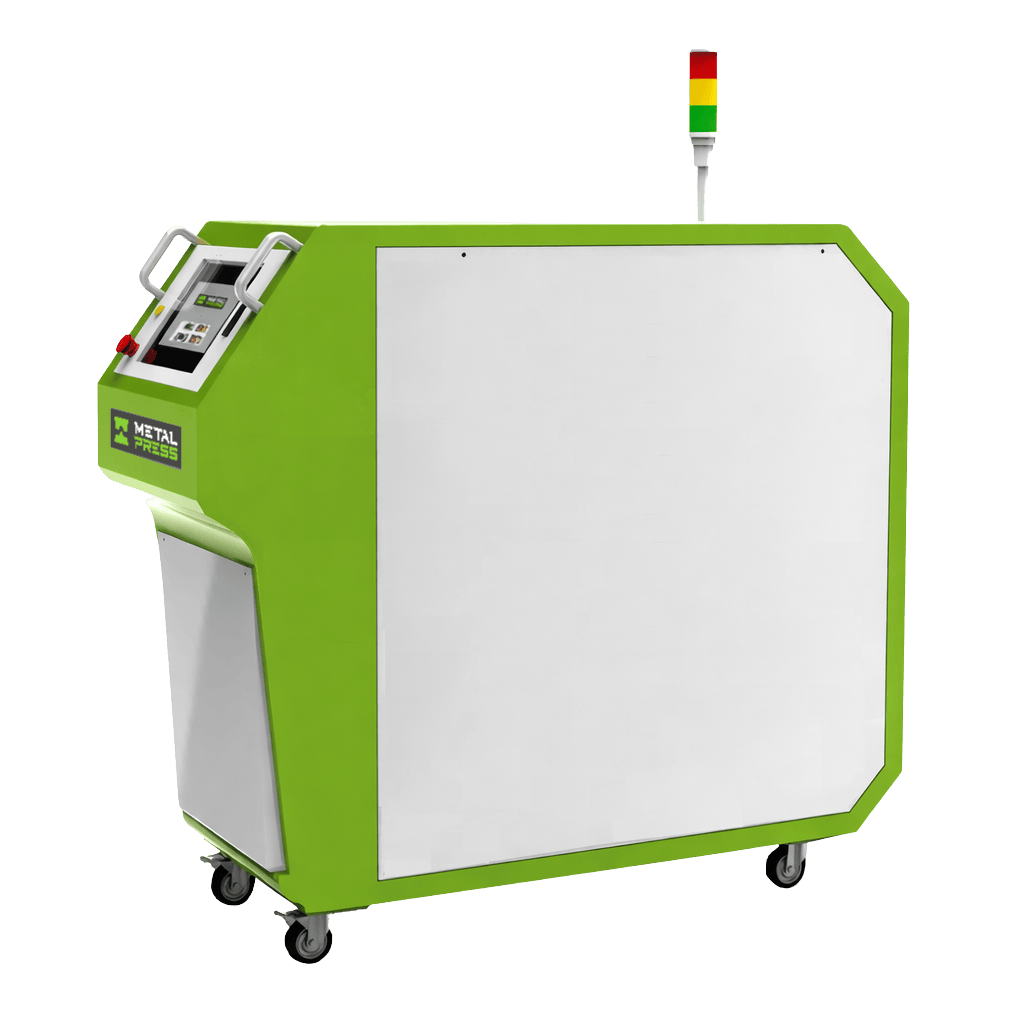
THE RIGHT TEMPERATURE CONTROL EQUIPMENT FOR BLOW MOLDING
HOT WATER TEMPERATURE CONTROL UNIT
A hot water temperature control unit is often the first equipment family to assess for blow molding because water provides efficient heat transfer and rapid heat removal. Size the system around the complete mold circuit, not only heater kilowatts.
HOT OIL TEMPERATURE CONTROL UNIT
A hot oil temperature controller can serve specialized blow-molding tools that require temperatures beyond the selected water system's range. Confirm thermal-fluid compatibility, heater capacity, pump performance, cooling method, seals, controls, and safety requirements.
WATER CHANNEL CLEANING UNIT
Scale and corrosion can restrict mold cooling passages and produce uneven temperatures. The water channel cleaning unit restores channel condition; it complements, but does not replace, the process TCU.
SELECTING A BLOW MOLDING TEMPERATURE CONTROL UNIT
Match the unit to the mold, resin, cycle, and real hydraulic circuit. Document the target supply and return temperatures, heat load, mold mass, cavity count, channel diameter and length, manifold arrangement, hose sizes, pressure drop, required flow, cooling-water temperature, startup target, recovery time, utilities, alarms, and machine-interface requirements.
For a broader comparison of process fluid and temperature range, use the oil-versus-water TCU guide. For injection-molding equipment terminology, use the separate injection molding temperature control unit page; this page remains dedicated to blow molding.
Expert Advice & Technical Resources
A blow molding mold temperature controller should be selected from measured or calculated thermal duty and the pump operating point. Oversizing heater capacity does not correct insufficient flow, excessive pressure drop, unstable cooling water, or restricted channels.