

Blog
Shop Presses, Parts, Modifications, and Upgrades: A Comprehensive Guide

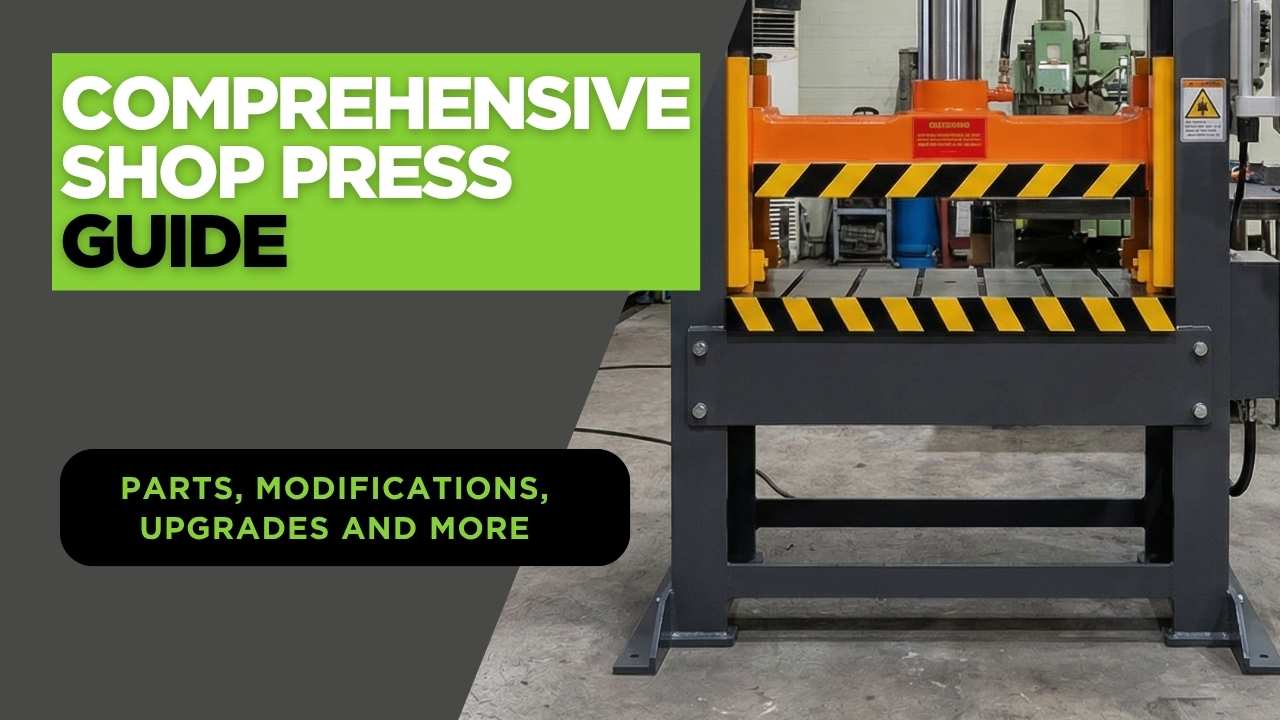
Shop presses are versatile metal forming and assembly tools used in workshops, fabrication shops, and industrial maintenance facilities. They are primarily used for pressing, bending, straightening, and assembling components using manual, hydraulic, or pneumatic force. Proper understanding of shop press types, parts, modifications, and upgrades ensures efficient, safe, and precise operation.
This page provides a detailed overview of shop press machines, parts, hydraulic presses, benchtop presses, 100-ton and 200-ton shop presses, modifications, and upgrade options, highlighting practical applications in manufacturing and maintenance.
What Is a Shop Press?
A shop press is a mechanical or hydraulic machine designed to apply controlled force to a workpiece. It consists of a rigid frame, a press ram, and tooling. Shop presses are used for:
Pressing bearings, bushings, and shafts
Straightening metal components
Bending or forming metal
Assembly and disassembly of mechanical parts
Shop presses are valued for their versatility, precision, and ease of use in both small and industrial-scale workshops.
👉 MetalPress Machinery is a pioneer in the metal forming industry. We provide a wide range of solutions for different fields. If you need consultation, quote or more information on our products, our specialsits are near you.
Materials Used in Extrusion
Materials must exhibit sufficient ductility to flow through the die without cracking.
Common materials include:
Aluminum and aluminum alloys – Lightweight, corrosion-resistant, and ideal for structural applications
Aluminium extrusion – European spelling variant, same process and principles
Steel and low-carbon steel – For structural and industrial applications
Titanium and specialty alloys – For aerospace or high-performance components
Aluminum is the most widely extruded metal due to its combination of ductility, strength, and corrosion resistance.
Types of Shop Presses
Hydraulic Shop Press
Uses a hydraulic cylinder to generate force
Provides precise and adjustable pressure
Available in bench-top (2–20 ton) and floor-standing (100–400+ ton) configurations
Common applications: bearing installation, metal forming, assembly presses
Mechanical Shop Press
Uses a screw, flywheel, or lever mechanism
Ideal for light to medium-duty tasks
Less expensive than hydraulic presses
Common applications: small bending and pressing tasks
Pneumatic Shop Press
Uses compressed air to operate the press
Fast and suitable for repetitive tasks
Typically smaller tonnage, e.g., benchtop pneumatic presses
Shop Press Parts and Components
A shop press consists of several core components that work together to safely and accurately apply compressive force to a workpiece. Understanding these parts is essential for maintenance, upgrades, and safe operation.
Primary shop press components include:
Frame
The rigid structural body of the press, typically fabricated from welded steel or cast sections. The frame resists deflection under load and determines the press’s maximum rated tonnage.Ram (Plunger)
The moving element that applies force to the workpiece. The ram may be guided or unguided depending on press design and is often fitted with interchangeable tooling or press adapters.Hydraulic Cylinder (Hydraulic Presses)
Converts hydraulic pressure into linear force. Cylinder bore size and pressure rating directly determine press capacity.Hydraulic Power Unit (HPU)
Includes the pump, motor, reservoir, valves, and filtration system used to generate and control hydraulic pressure.Press Bed / Work Table
A reinforced surface that supports the workpiece and tooling. Many shop presses feature adjustable or removable bed plates to accommodate different part sizes.Bed Pins or Supports
Load-bearing pins or rails that support the adjustable bed at various working heights.Control System
May include manual valves, foot pedals, hand levers, pressure regulators, or PLC-based controls depending on press complexity.Pressure Gauge or Load Monitoring System
Displays applied force or system pressure, allowing operators to monitor loads and avoid over-pressurization.Tooling and Accessories
Includes press plates, V-blocks, arbor plates, bending dies, straightening fixtures, and custom tooling designed for specific operations.
Proper inspection and maintenance of these components are critical to press accuracy, operator safety, and long service life.
Shop Press Tonnage
Shop presses are rated by maximum force, typically measured in tons. Common capacities include:
2–5 ton benchtop presses: Small tasks, light assembly, and hobby use
10–20 ton hydraulic presses: Medium-duty forming and bearing work
Selection of press tonnage depends on material thickness, part size, and forming requirements.
Shop Press Modifications
Modifications enhance press capability, safety, and usability. Common modifications include:
Adjustable Bed Plates
Allows the height of the work surface to be changed
Enables pressing of different-sized workpieces
Stroke and Ram Extensions
Increases press travel for deeper forming operations
Useful for long shafts or large components
Custom Tooling and Dies
V-blocks, press plates, and bending/forming dies
Adapts the press for specific industrial or repair tasks
Pressure Gauges and Digital Readouts
Provides precise measurement of applied force
Improves repeatability and prevents overloading
Safety Upgrades
Guarding and shields
Pressure relief valves for hydraulic systems
Emergency stop mechanisms
Shop Press Upgrades
Upgrading a shop press can extend its life and enhance productivity:
High-capacity hydraulic kits: Upgrade smaller presses to higher tonnage within frame limits
Electric-hydraulic pumps: Replace manual pumps for automation and faster operation
Motorized ram control: Enables precise, repeatable ram motion
Custom bed inserts: For specialized bending, straightening, or forming tasks
Upgrades are cost-effective compared to purchasing a new high-capacity press.
Benchtop Shop Presses
Benchtop hydraulic and pneumatic presses are compact and designed for small workshops or hobbyists.
Advantages include:
Space efficiency
Easy installation
Suitable for light forming, pressing, and assembly
Typical tonnage: 2–20 tons
Applications include:
Pressing bearings into housings
Bending small metal sheets
Jewelry forming or light fabrication tasks
Industrial Applications of Shop Presses
Shop presses are widely used across industries:
Automotive and Maintenance
Bearing installation/removal
Shaft and axle assembly
Component straightening
Metal Fabrication
Bending and forming metal parts
Assembly of welded or bolted components
Heavy Industry
Large presses (100–400 ton) for industrial forming
Pressing large bushings, shafts, or heavy machinery parts
Prototyping and R&D
Benchtop presses for testing small components
Precision forming and assembly
Safety and Best Practices
Operating a shop press safely is critical:
Always use press rated tooling for the intended tonnage
Maintain proper hydraulic fluid levels and inspect hoses
Ensure workpiece is securely supported on the bed
Never exceed rated tonnage
Use safety shields, clamps, and personal protective equipment
Proper maintenance prolongs the life of the press and ensures consistent performance.
Conclusion
Shop presses, their parts, modifications, and upgrades are essential tools in industrial, automotive, and fabrication workshops. From benchtop hydraulic presses to heavy-duty 100–400 ton shop presses, understanding the types, components, modifications, and upgrade options ensures safe and efficient operation.
Whether used for pressing bearings, forming metal, straightening shafts, or industrial assembly, shop presses remain a versatile and indispensable piece of equipment. Selecting the right press, maintaining its components, and implementing thoughtful modifications can dramatically improve productivity and precision.
Let Us Make Your Next Press
Whether you’re located in the USA, Canada, Mexico, or South America, you can contact us for more information, pricing, and consultations through our online forms, or by phone or email.