

Blog
From Drawing to Shop Floor: A Titan Press Brake Project in Michigan

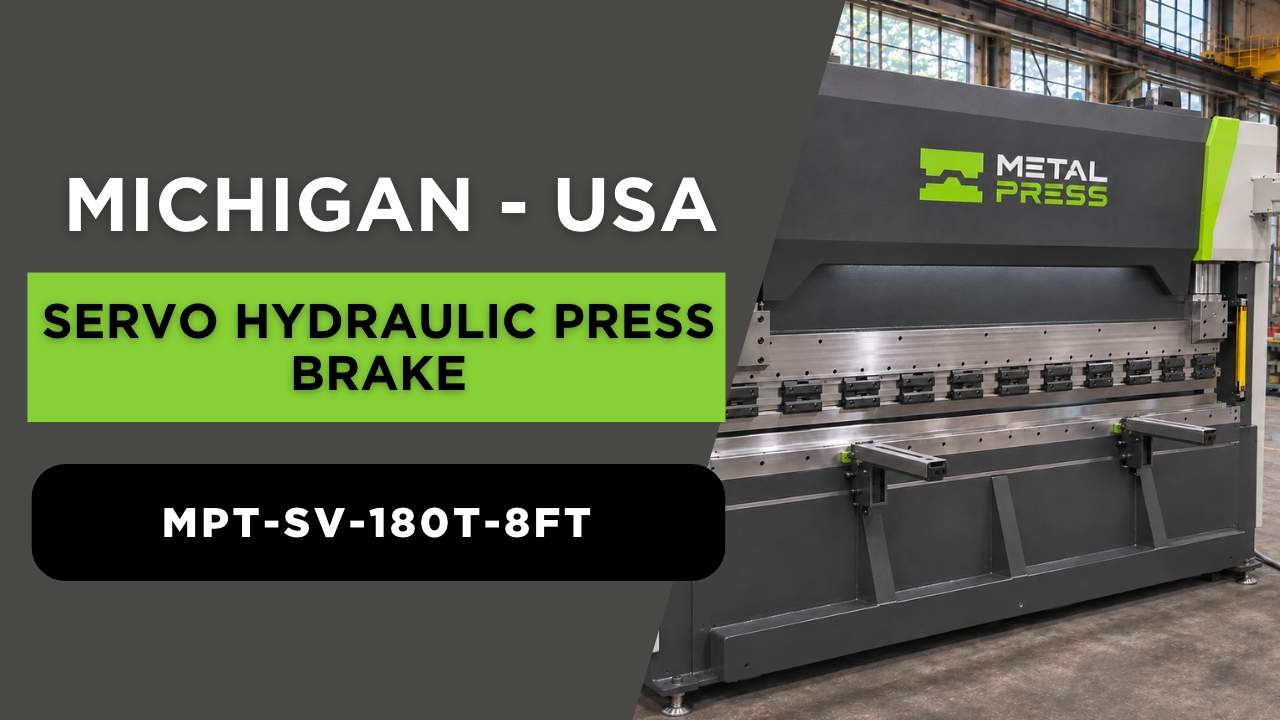
A Machine Selected Around the Work
Before the machine was selected, the team worked through the parts. A long panel needed a consistent flange; a smaller bracket needed room for a return bend. Reviewing those details early helped connect the customer’s sheet metal bending requirements to the machine, tooling and setup.
The application review covered material grades, thicknesses, bending lengths, inside radii and flange dimensions. The team also considered press brake tooling access and how the CNC backgauge would locate each part through its bend sequence. A setup that worked for the first bend still had to allow the finished shape to clear the tools.
The selected Titan MPT-SV-180T-8FT CNC press brake has a published force rating of 180 US tons, approximately 163 metric tonnes, and a bending length of 98.4 inches (2,500 mm). This 8-ft-class model provided the starting envelope for the review; forming loads and tooling suitability were checked against the proposed parts.
For this enclosure and cabinet fabrication manufacturer, the design phase was about bringing the details together: machine layout, punch and die selection, backgauge positioning and operator access. By the time the order moved into assembly, the project team had a shared reference for the work the hydraulic press brake was expected to support.
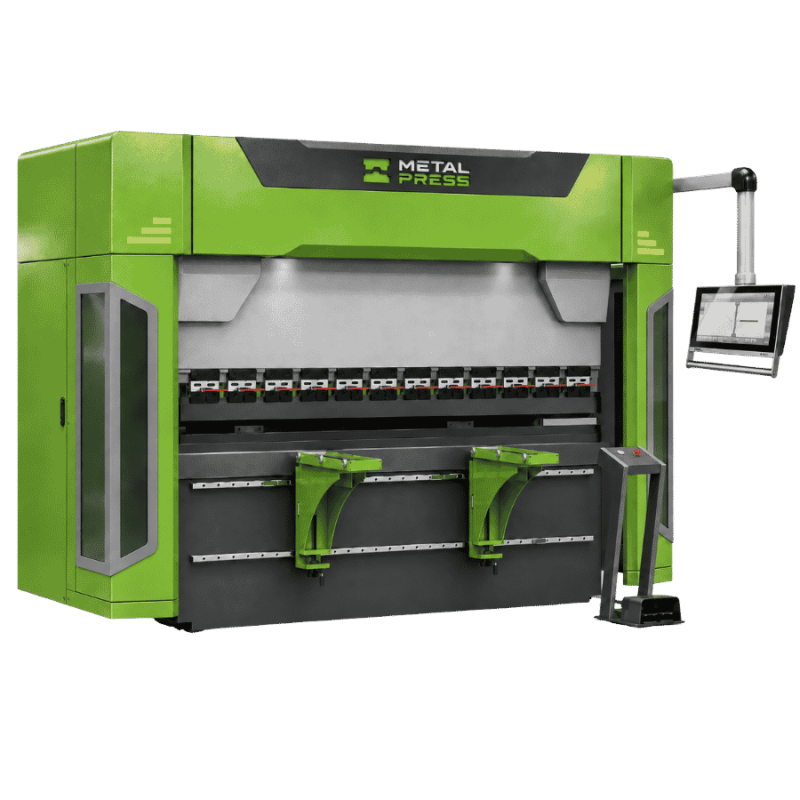
Titan MPT-SV-180T-8FT
180 US tons / approximately 163 metric tonnes
98.4 in / 2,500 mm bending length
Servo-hydraulic CNC press brake
Illustrative product image; not a photograph of this hypothetical project.
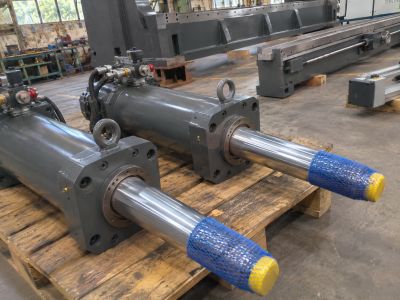
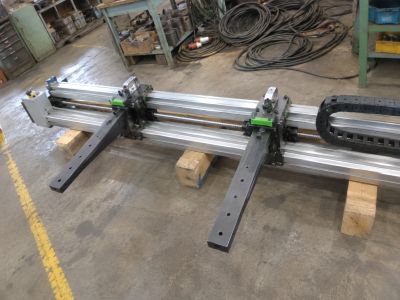
Finishing, Inspection and Pre-Shipment Preparation
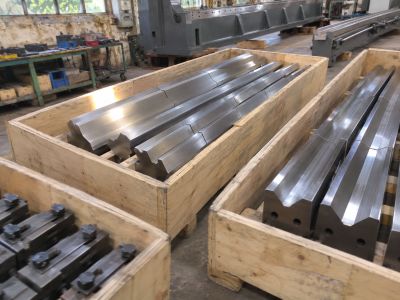
Once assembly was complete, the drawings returned to the foreground. The next question was whether the finished CNC bending machine and its proposed setup were ready for the customer’s work. The factory review covered mechanical condition, tooling installation, supplied control functions and the safety functions included in the agreed configuration.
Representative test bends connected the inspection to the intended application. The team checked unloaded bend angles, flange dimensions and surface condition, keeping the material and tooling details with the inspection record. Springback and bend-angle verification were considered alongside the machine settings, so a programmed position was not mistaken for a finished-part measurement.
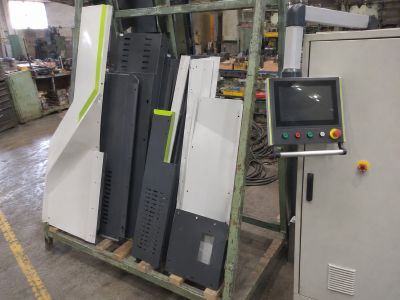
The finishing and pre-shipment checks then brought the machine itself into focus: panels, accessible connections, identification and the condition of exposed surfaces. Alongside those checks, the handover package gathered the agreed configuration, machine documentation and factory inspection records.
Before the press brake left for Michigan, the team reviewed any remaining items and the information needed at the receiving end. The aim was a clear handoff: the people preparing the shipment and the people arranging installation would be working from the same project record.
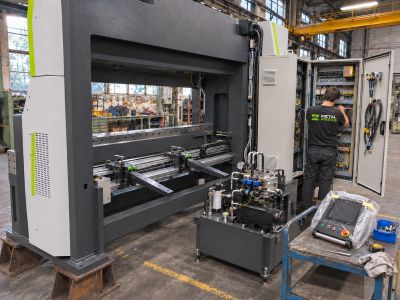
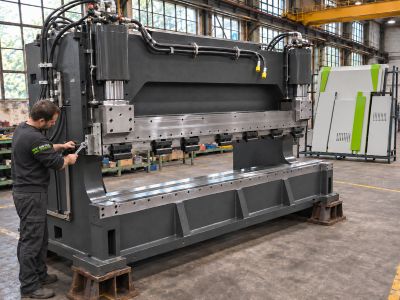
Shipment, Installation and Operator Handover
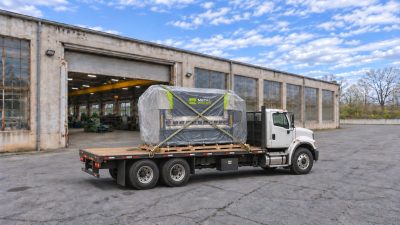
The journey to Michigan started before loading day. Delivery planning brought the receiving window, unloading arrangements, access route and final machine position into one conversation. Site services and the installation requirements were reviewed in advance, while the press brake and supplied accessories were prepared using the approved transport arrangements.
On arrival, attention moved from the delivery vehicle to the shop floor. The installation team checked the received condition, positioned the machine and completed the installation requirements for the supplied configuration. Press brake installation and commissioning then connected the factory-prepared setup to the customer’s working environment.
Operator training focused on the work the team would do each day: using the supplied CNC controls, recalling setup information, identifying the correct tooling and carrying out routine checks. Initial parts were inspected before the setup was handed over for production use.
For the customer’s formed brackets and mounting components, the handover linked the approved drawing, locating references and inspection criteria to the accepted setup. For enclosure panels and doors, it kept the same connection between the part requirements and the bending process. The project record now followed the machine into the customer’s shop.
Accomplishment
What began as a discussion over drawings had become a coordinated machine project. The application review guided the factory checks; the factory records supported delivery, installation and operator handover. The thread running through each stage was the customer’s part mix and the information needed to prepare the next step.
For manufacturers planning a similar sheet metal fabrication project, useful starting points are the drawing, material, thickness, bend length, tooling access and acceptance requirements. Explore the Titan servo-hydraulic CNC press brake or discuss your press brake application with MetalPress Machinery to begin that review.