
AUTOMOTIVE PRESS
Body panel, structural part, BIW, and production press solutions for automotive manufacturing

automotive stamping press
TIER 1 AUTOMOTIVE PRESS MANUFACTURER
Automotive manufacturing demands more than just tonnage. The right press has to match the part geometry, material behavior, tooling setup, cycle expectations, and production goals behind the job. Whether you are producing body panels, structural stampings, BIW components, brackets, reinforcements, or precision-formed automotive parts, the wrong press selection creates bottlenecks, tool wear, inconsistent part quality, and lost production time.
For an overview of related forming processes and industry-specific solutions, explore our Press Applications resource hub.
MetalPress supplies automotive press solutions engineered for real production environments. From high-volume straight-sided mechanical presses to programmable servo presses and controlled-force hydraulic systems, our lineup is built to help automotive manufacturers improve repeatability, protect tooling, and move faster toward stable production.
Choosing the Right Press Configuration & Press Frame
STRAIGHT SIDED SERVO PRESS
Straight sided servo presses are widely used in the automotive industry for producing body panels, structural parts, BIW components, brackets, reinforcements, cross members, seat parts, battery enclosure components, and other precision stampings that require repeatability and controlled forming. They are especially well suited for processing high-strength steel, advanced high-strength steel, aluminum, stainless steel, and other automotive-grade materials where slide motion control can improve part quality and reduce material stress. In automotive manufacturing, these presses are commonly used for stamping, forming, blanking, piercing, embossing, shallow drawing, restriking, and other precision metalworking processes where programmable stroke behavior, better control through the stroke, and consistent results help protect tooling and support higher-value production.
VIEW SINGLE POINT STRAIGHT PRESS & DOUBLE POINT STRAIGHT PRESS
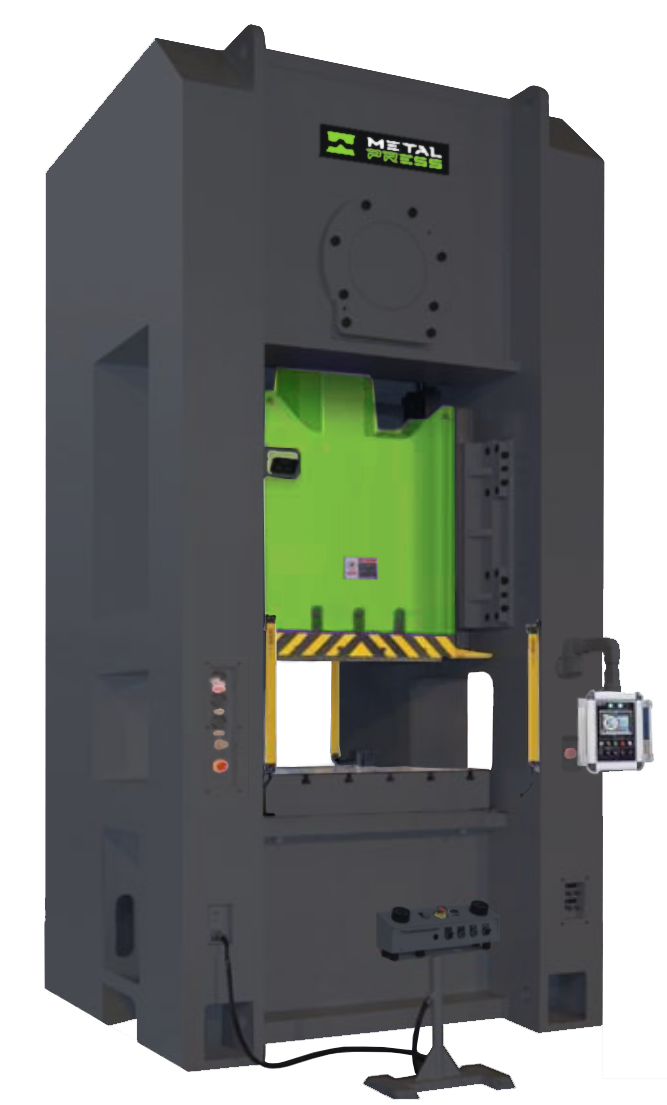
STRAIGHT SIDED MECHANICAL PRESS
Straight sided mechanical presses are widely used in the automotive industry for producing body panels, brackets, reinforcements, chassis components, cross members, seat structures, mounting parts, and other high-volume stampings where speed and consistency are critical. They are well suited for processing mild steel, high-strength steel, stainless steel, aluminum, and other automotive sheet materials used in repetitive production environments. In automotive manufacturing, these presses are commonly used for stamping, blanking, piercing, forming, embossing, and other fast-cycle metalworking processes where rigid frame construction, repeatable stroke performance, and efficient long-run production help maintain part quality and support high-output manufacturing.
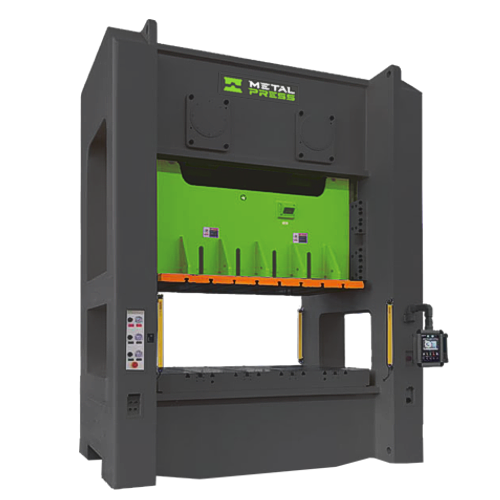
4 POST SERVO PRESS
4 post servo presses are widely used in the automotive industry for producing structural parts, battery tray components, reinforcement parts, chassis components, larger stampings, formed housings, and other automotive parts that require more control throughout the stroke. They are especially well suited for processing high-strength steel, advanced high-strength steel, aluminum, stainless steel, and other demanding automotive materials where controlled force, speed, and position can improve forming accuracy and reduce material stress. In automotive manufacturing, these presses are commonly used for deep drawing, precision forming, restriking, embossing, trimming, die tryout, and other multi-step metalworking processes where programmable motion, full-force control, and repeatable performance help protect tooling and support more complex part production.
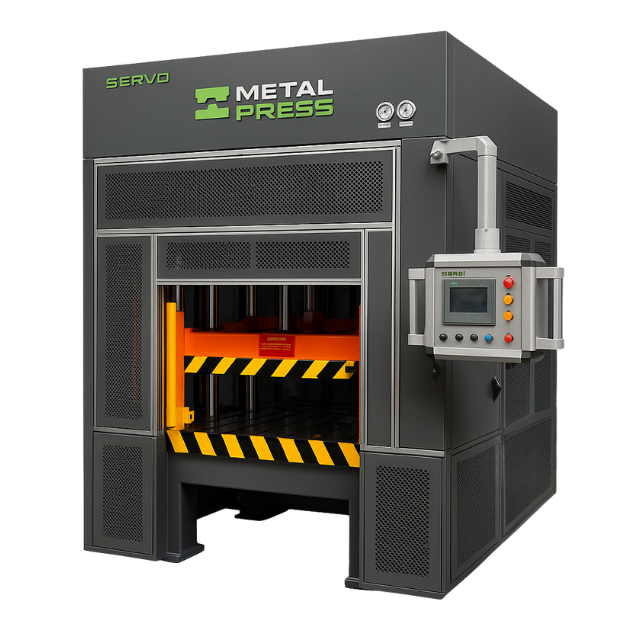
4 POST PRESS
4 post hydraulic presses are widely used in the automotive industry for producing structural parts, reinforcement components, brackets, support members, chassis-related parts, formed panels, and other automotive stampings that require consistent high-force pressing. They are well suited for processing steel, high-strength steel, stainless steel, aluminum, and other automotive materials used in demanding forming applications. In automotive manufacturing, these presses are commonly used for forming, stamping, deep drawing, trimming, embossing, and other controlled metalworking processes where stable force delivery, full tonnage throughout the stroke, and dependable performance make them a strong choice for heavier-duty production work.
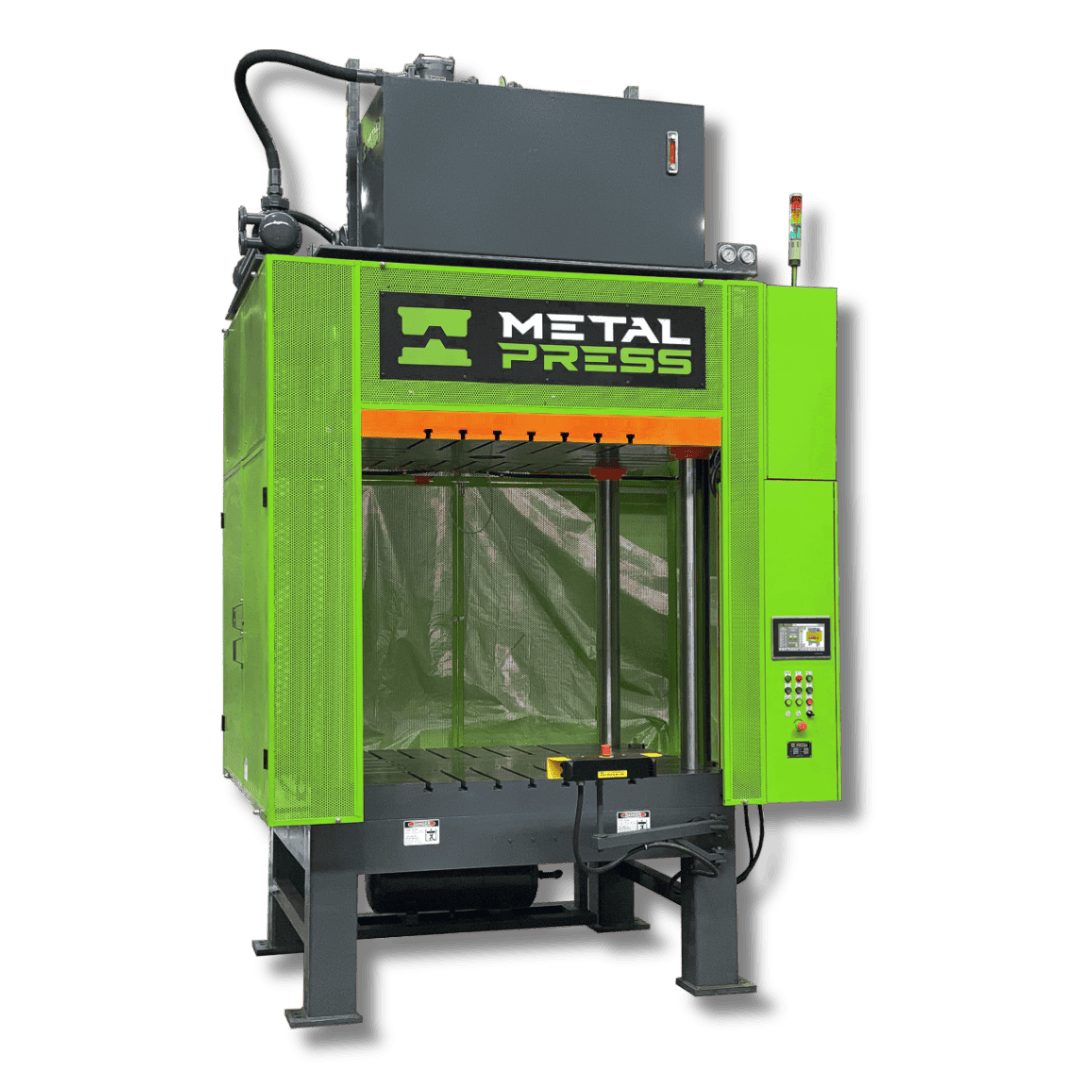
STRAIGHT SIDED SERVO HYDRAULIC PRESS
Straight sided servo hydraulic presses are widely used in the automotive industry for producing structural parts, body components, reinforcement stampings, chassis members, battery enclosure parts, larger formed panels, and other precision automotive parts that require both high force and controlled motion. They are especially well suited for processing high-strength steel, advanced high-strength steel, aluminum, stainless steel, and other demanding automotive materials where improved control through the stroke can help manage part quality and reduce material stress. In automotive manufacturing, these presses are commonly used for precision forming, deep drawing, stamping, restriking, embossing, trimming, and other controlled metalworking processes where rigid frame construction, programmable stroke control, and consistent force delivery support complex part geometries and reliable production results.

TRIM PRESS
Trim presses are widely used in the automotive industry for finishing body panels, structural stampings, brackets, reinforcements, chassis parts, and other formed components that require clean and accurate removal of excess material. They are well suited for processing steel, high-strength steel, stainless steel, aluminum, and other automotive-grade materials after forming or stamping operations. In automotive manufacturing, these presses are commonly used for trimming, punching, piercing, cut-off, and other secondary finishing processes where precise edge quality, consistent part geometry, and repeatable production are essential for downstream assembly and final part performance.
SPOTTING PRESS / MOLD TRYOUT PRESS
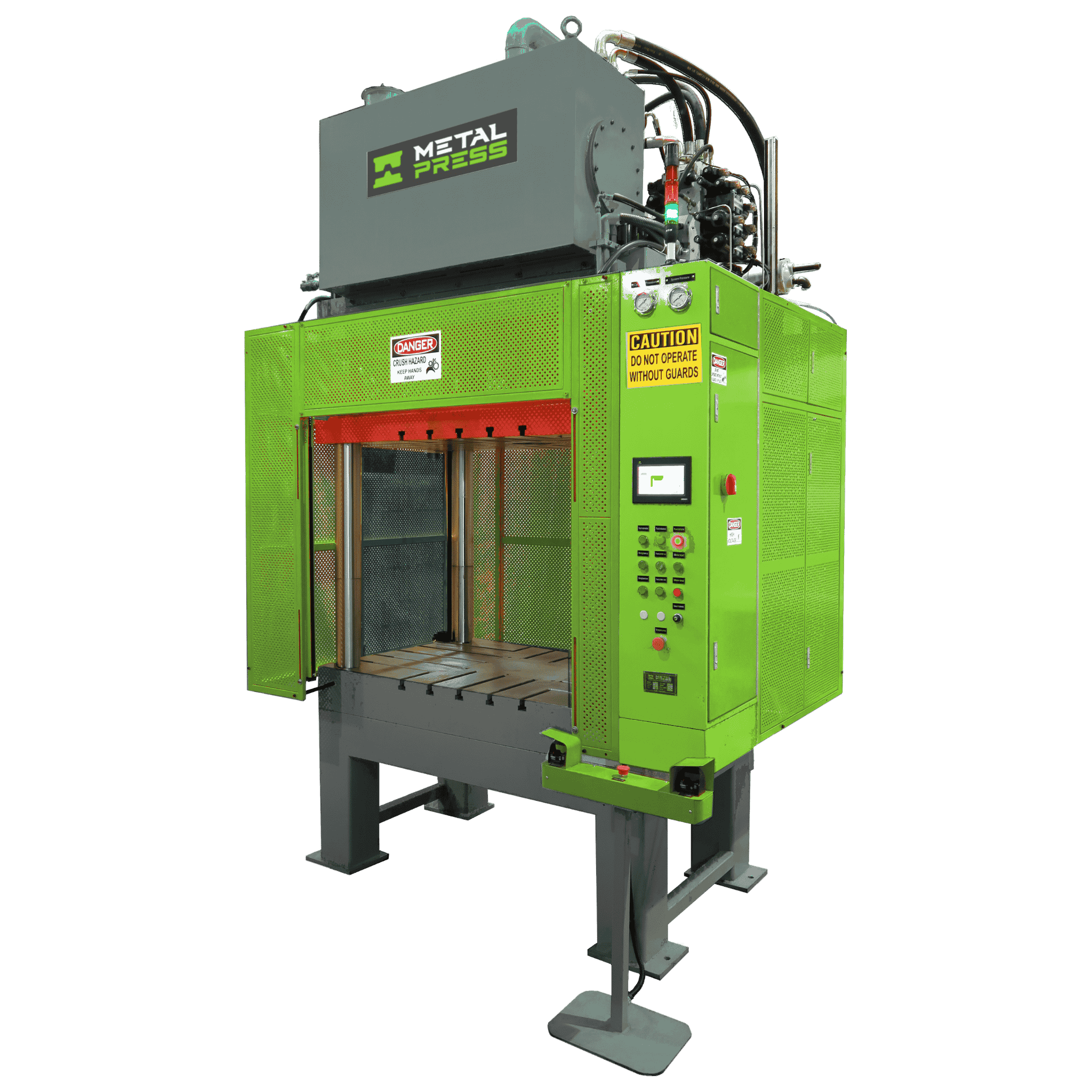
Spotting presses and mold tryout presses are widely used in the automotive industry for validating dies, checking tool fit, testing shut height, correcting mismatch issues, and improving tooling accuracy before full production begins. They are used across tooling programs for body panels, structural parts, brackets, reinforcements, interior components, and other stamped automotive parts where die precision directly affects part quality and production consistency. In automotive manufacturing, these presses are commonly used for die spotting, mold tryout, tool validation, die correction, and setup verification processes where accurate contact checking, safer tool handling, and faster adjustment cycles help reduce tooling problems, shorten development time, and support more stable production results.
VIEW SPOTTING PRESS & MOLD TRYOUT PRESS SERVO TYPE
C FRAME SERVO PRESS
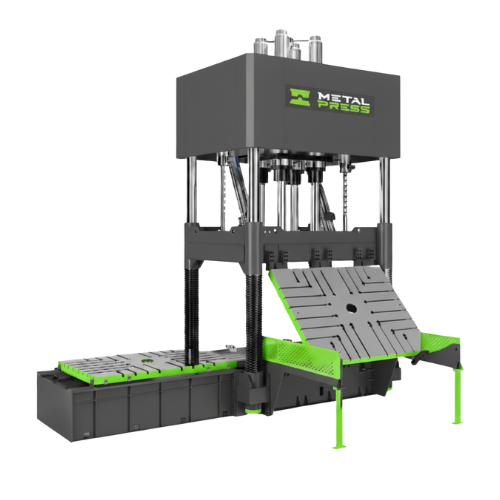
C frame servo presses are widely used in the automotive industry for producing brackets, reinforcements, clips, mounts, small chassis parts, seat components, electrical enclosure parts, and other smaller precision stampings where flexibility and front access are important. They are well suited for processing steel, stainless steel, aluminum, copper, and other automotive materials used in lighter-gauge or smaller-part production. In automotive manufacturing, these presses are commonly used for stamping, blanking, piercing, bending, embossing, shallow drawing, and other precision forming processes where programmable stroke control, repeatable motion, and easy tooling access help improve part consistency and support efficient production of smaller automotive components.
VIEW SERVO PRESS C-FRAME SINGLE CRANK & SERVO PRESS C-FRAME DOUBLE CRANK
Hydraulic Overload Protection
Standard on all models. Instantly releases pressure during a jam to prevent catastrophic frame or die damage.
User-Friendly PLC Control
Integrated recipe storage means faster setup times on recurring jobs. Less downtime between changeovers.
Enhanced Drive Systems
Advanced lubrication and high-efficiency motors reduce noise and energy consumption during continuous operation.
Safety Compliance
Fully compatible with modern light curtains and dual-hand safety controls for a secure working environment.
SELECTING THE RIGHT
AUTOMOTIVE PRESS
THE BEST AUTOMOTIVE PRESS DEPENDS ON THE PART, THE MATERIAL, AND THE PRODUCTION TARGET
Selection the right press depends on what you are making, how fast you need to run it, how the material behaves, and how much control the operation requires.
If your priority is high-speed, repeatable production, a straight sided mechanical press may be the best fit. If your application needs programmable motion and tighter forming control, a straight sided servo press may be the better choice. If the job requires more controlled force throughout the stroke, deeper forming capability, or more flexibility in forming behavior, servo hydraulic and hydraulic presses become stronger options. If your issue is secondary finishing, a trim press deserves to be the main destination. If tooling validation is the bottleneck, the right spotting press can reduce wasted setup time and improve confidence before production begins.
WHY AUTOMOTIVE MANUFACTURERS CHOOSE METALPRESS
Automotive production leaves very little room for hesitation. Buyers need equipment that fits the process, protects tooling, supports repeatable output, and gets them to a stable production result faster. MetalPress is positioned to help buyers narrow that decision quickly by organizing solutions the way engineers and production teams actually think: by application, by process, and by press type.
NEED HELP MATCHING THE RIGHT PRESS TO YOUR AUTOMOTIVE APPLICATION?
If you already know your process, part type, material, or tonnage target, the next step is simple: choose the press family that best fits the job and continue to the product page to request a quote.
If you are still comparing drive types, frame styles, or forming methods, use the press categories above to narrow the options first. The goal is to get you to the right automotive press faster, with less guesswork and a clearer path to quoting the machine that actually fits your operation.
AUTOMOTIVE APPLICATIONS
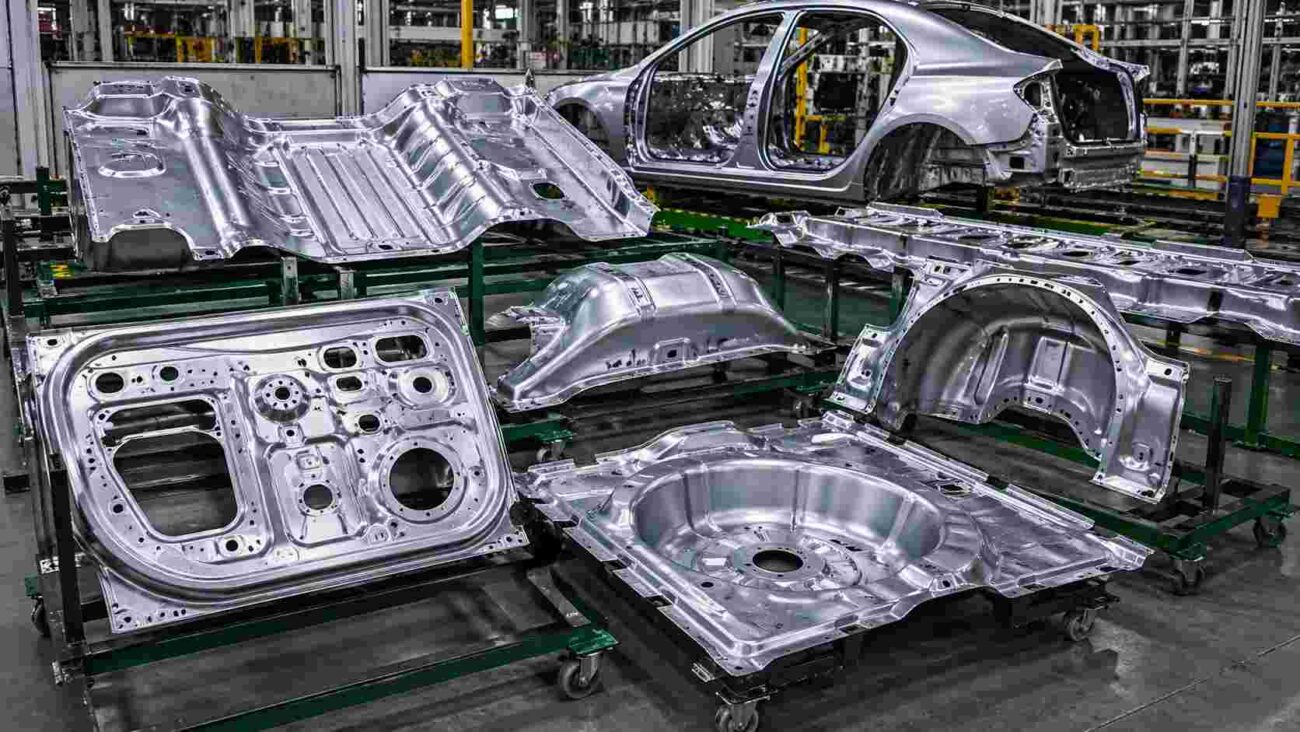
Automotive press selection often starts with the end use, but the final machine choice is tied to the process behind the part. Depending on the component, your automotive application may involve stamping, punching, blanking, trimming, deep drawing, or other forming methods.



Download the Engineering Guide to Industrial Stamping Press
Industrial Press Selector
Capacity Exceeded
Requirement exceeds 2,500 Tons. Contact engineering for custom solutions.
Speak with an Engineer →Frequently Asked Questions
Automotive stamping can use several press types depending on the part, volume, tooling, and material. Straight sided mechanical presses are strong options for high-volume production, while servo presses and hydraulic presses are often better suited when the application needs more control through the stroke.
That depends on the size of the part, the material strength, the die layout, and the production goal. In many cases, straight sided servo presses, straight sided mechanical presses, and 4 post hydraulic or servo hydraulic presses are the most relevant starting points.
Yes. Trim presses are relevant when formed automotive parts need clean and consistent removal of excess material to achieve final geometry more accurately.
Yes. Spotting presses are used for die tryout, tooling validation, and improving die fit before moving into production.
Yes. Your current servo mechanical and servo hydraulic categories both position servo-driven systems around better motion control, programmability, and precision, which makes them a strong fit for many automotive applications.
Related Technical Guides
Review these technical guides for additional engineering context on Stamping, equipment selection, safety, and production planning.
- Automated Stamping Systems in Metal Forming: A Technical Analysis of Automated Presses and Tooling Integration
- Blanking Line vs. Punch Press: How Sheet Metal Cutting Processes Work
- Metal Forming 101: Processes, Tooling, and How to Choose the Right Press
- The Global EV Boom Is Driving Innovation in Press Machinery: Energy Efficiency, Automation, and Precision Take Center Stage