

Blog
100 Ton Powder Compaction Servo Press: Testing, Commissioning, and Finalization


The Journey Continues
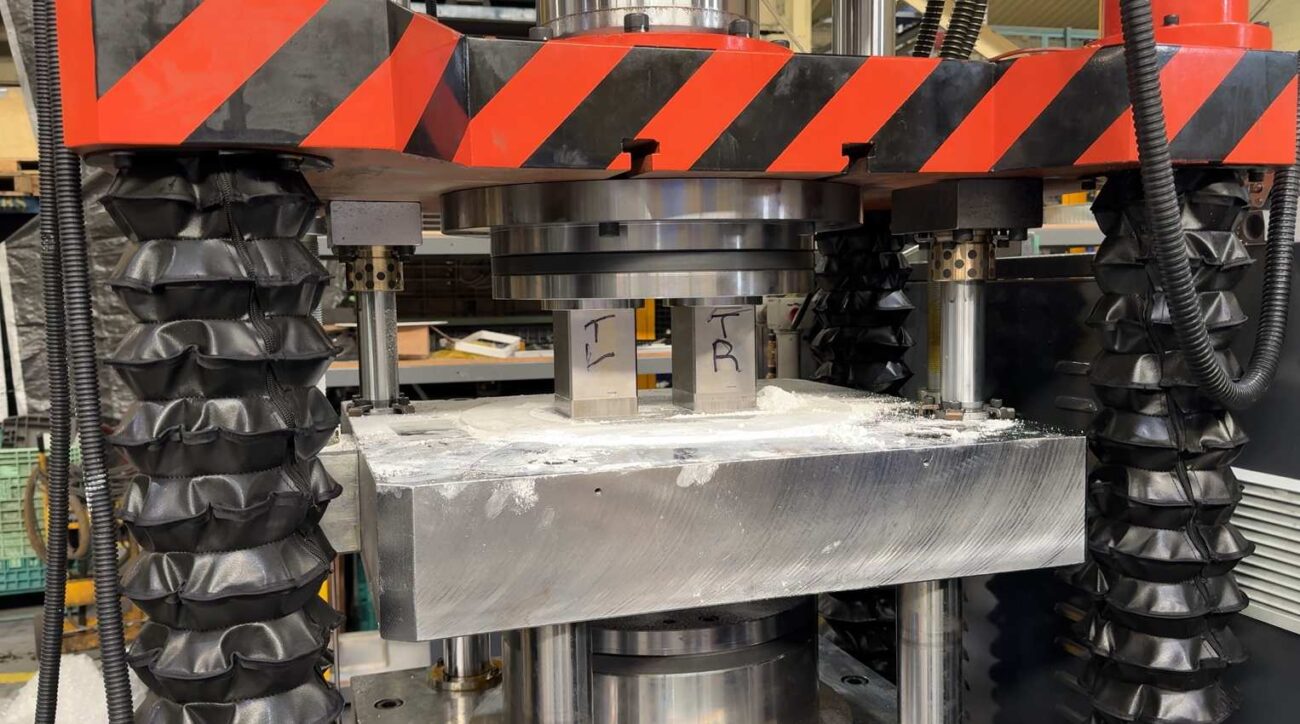
An Energy Mineral Company in Quebec contacted MetalPress Machinery about its production line. The project selected a 100-ton powder compaction servo hydraulic press (MPC-SV Series) and progressed from design and assembly to final inspections, testing and pre-commissioning.
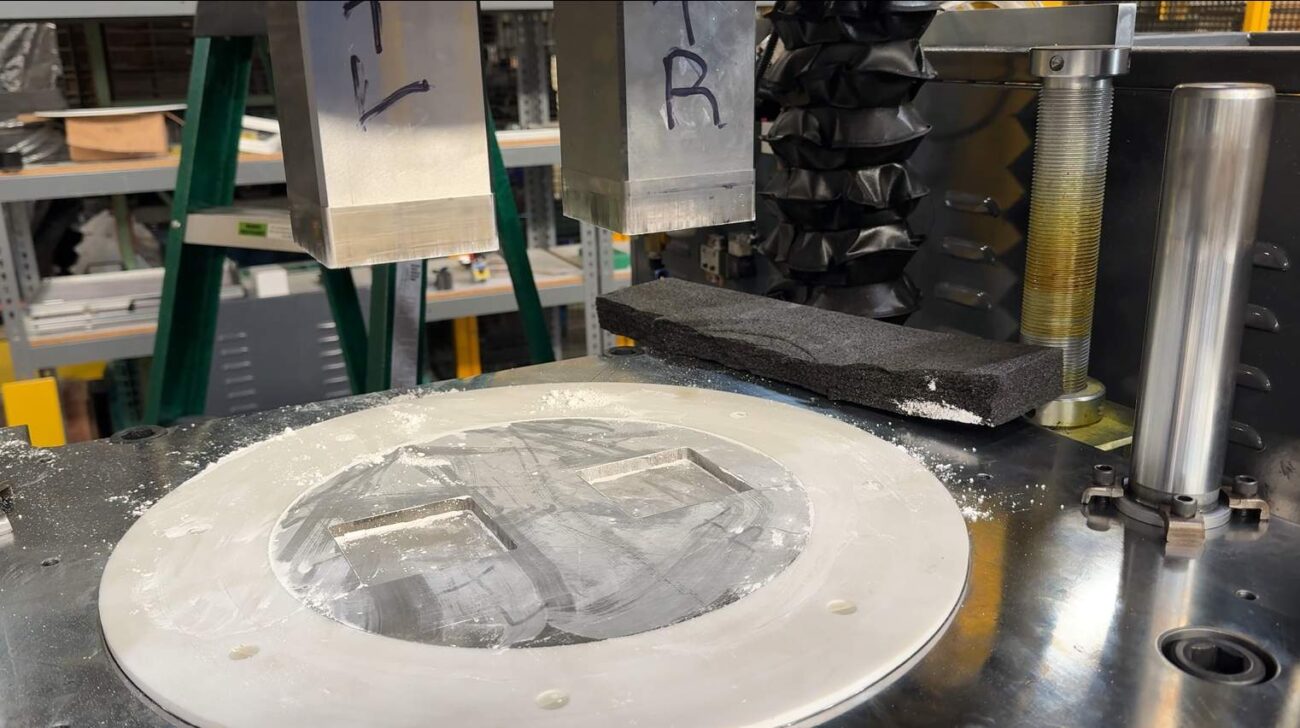
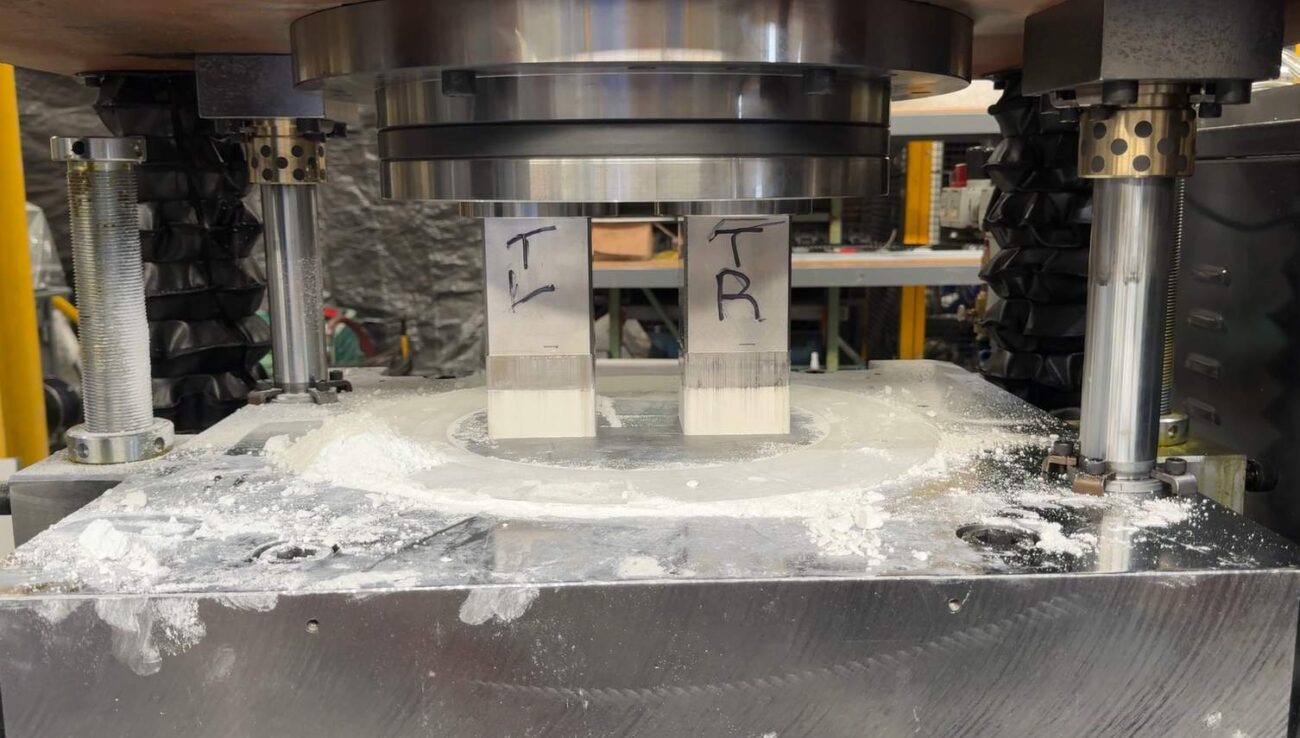
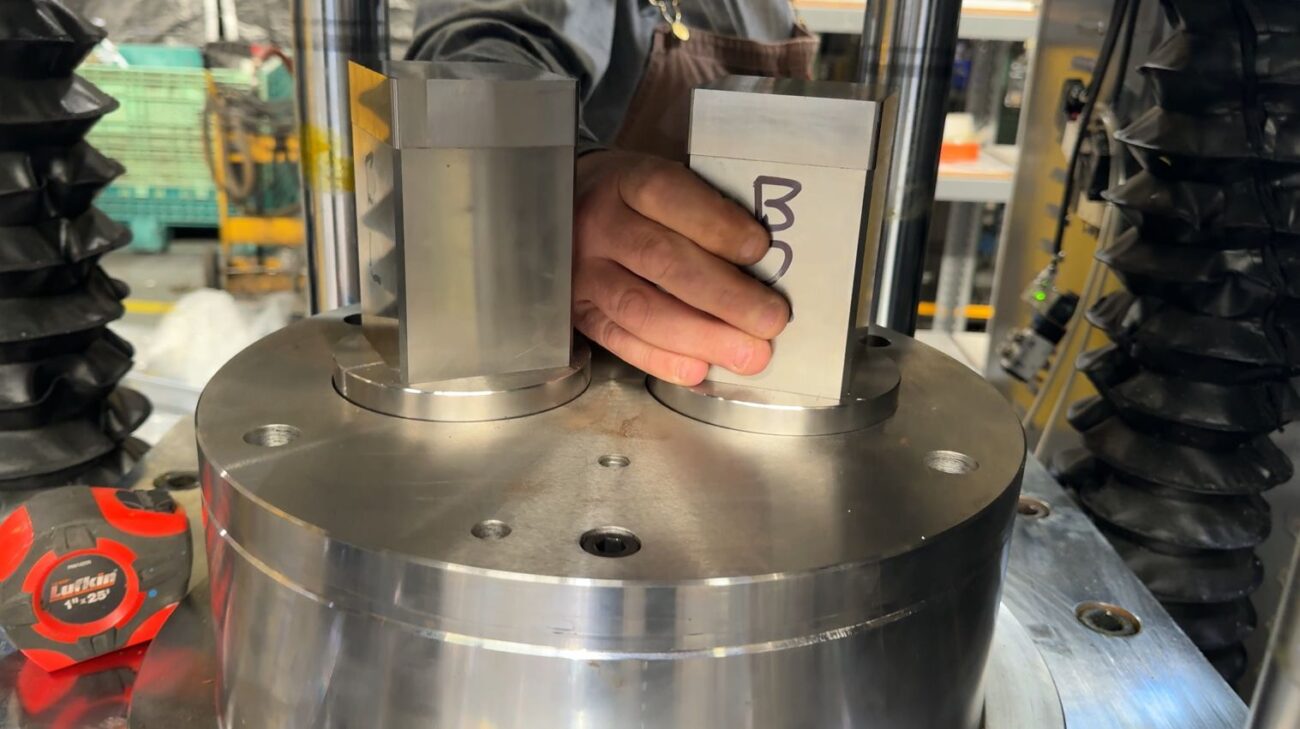
This story follows that testing, commissioning and finalization stage. For current machine models and controls, review the MPC-SV servo-hydraulic powder compaction press. Use the project photographs and inspection topics below to prepare the checks and handover information needed for your own powder pressing machine.
Read the design and assembly phase of this 100 ton powder compaction servo hydraulic press for the preceding project stage.
Test Program Overview: Scope & Objectives
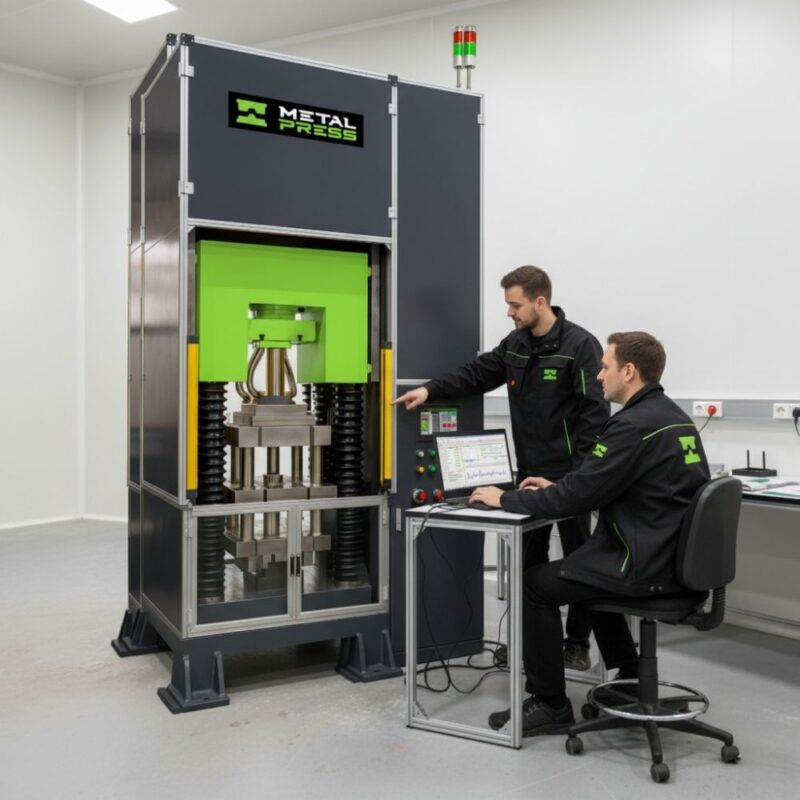
A powder compaction press test program should cover four core areas, with the scope matched to the installed machine and approved tooling:
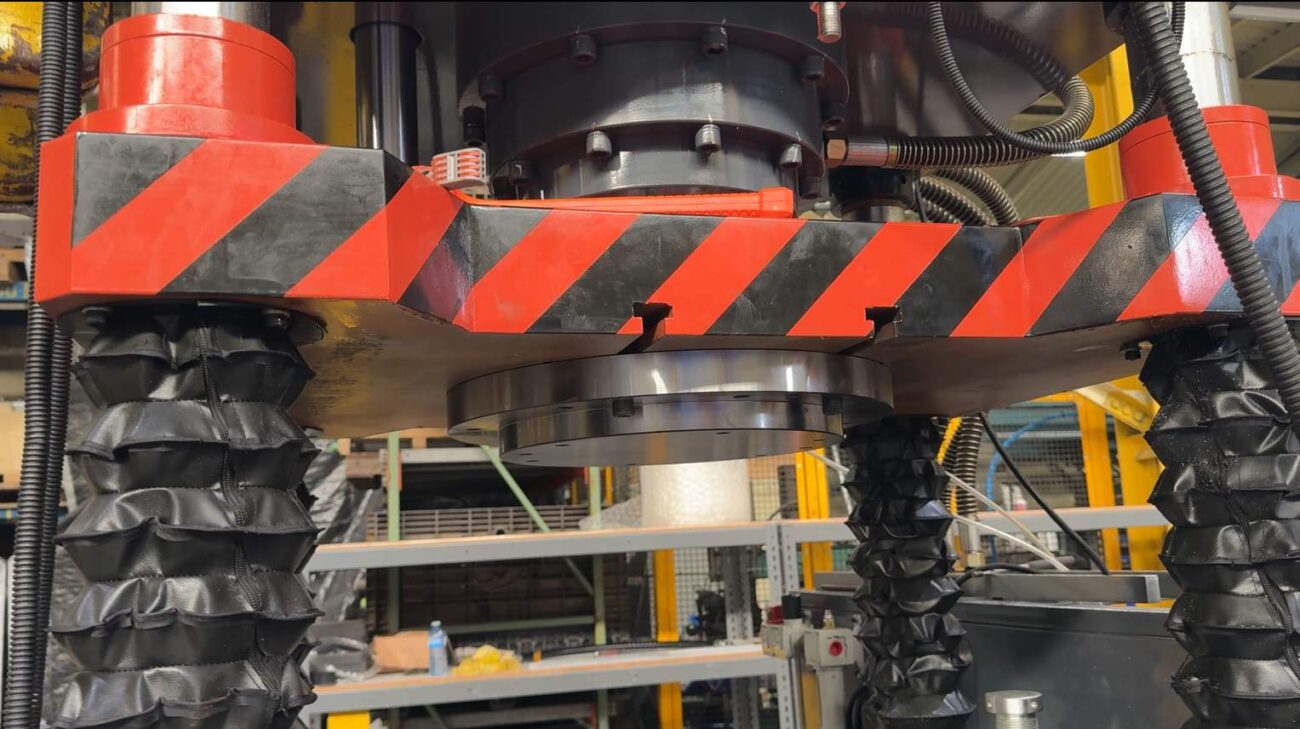
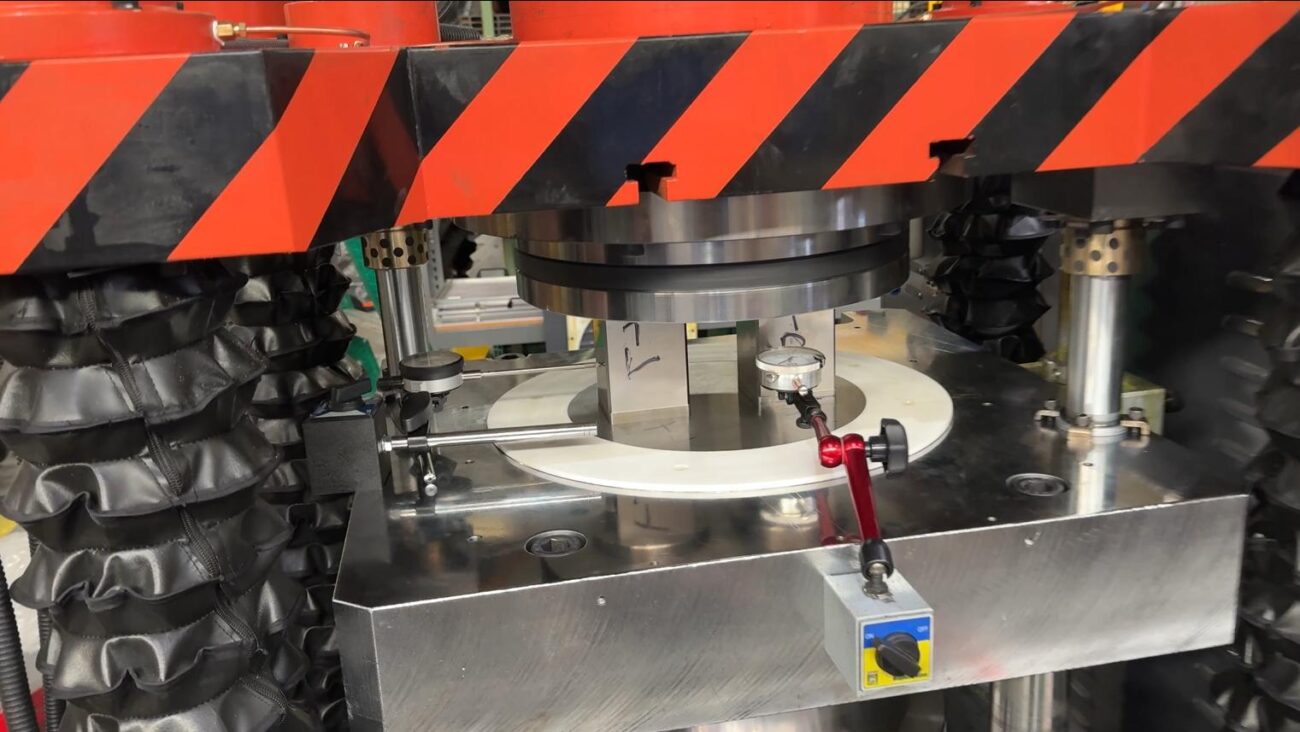
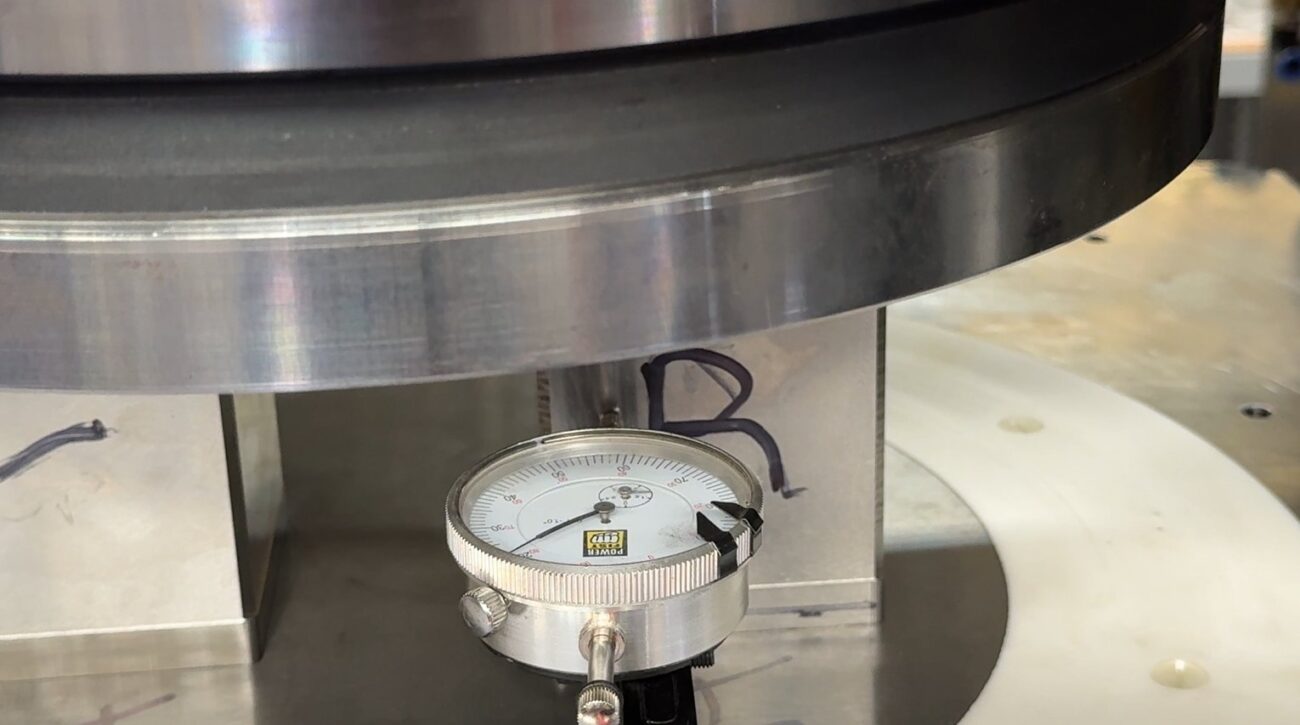
- Mechanical integrity and alignment: platen parallelism, ram concentricity and fastener torque retention.
- Control and automation: PLC logic, HMI recipes, safety interlocks and robot interfaces where automation is included.
- Process repeatability: a compaction repeatability protocol for green density and dimensional variance using the specified powder and tooling.
- Thermal and endurance behavior: oil temperature control, heat exchanger performance and stability over the agreed duty cycle.
Map each objective to a measurement method, acceptance criterion and recorded deliverable.
Detailed test protocols and sequence
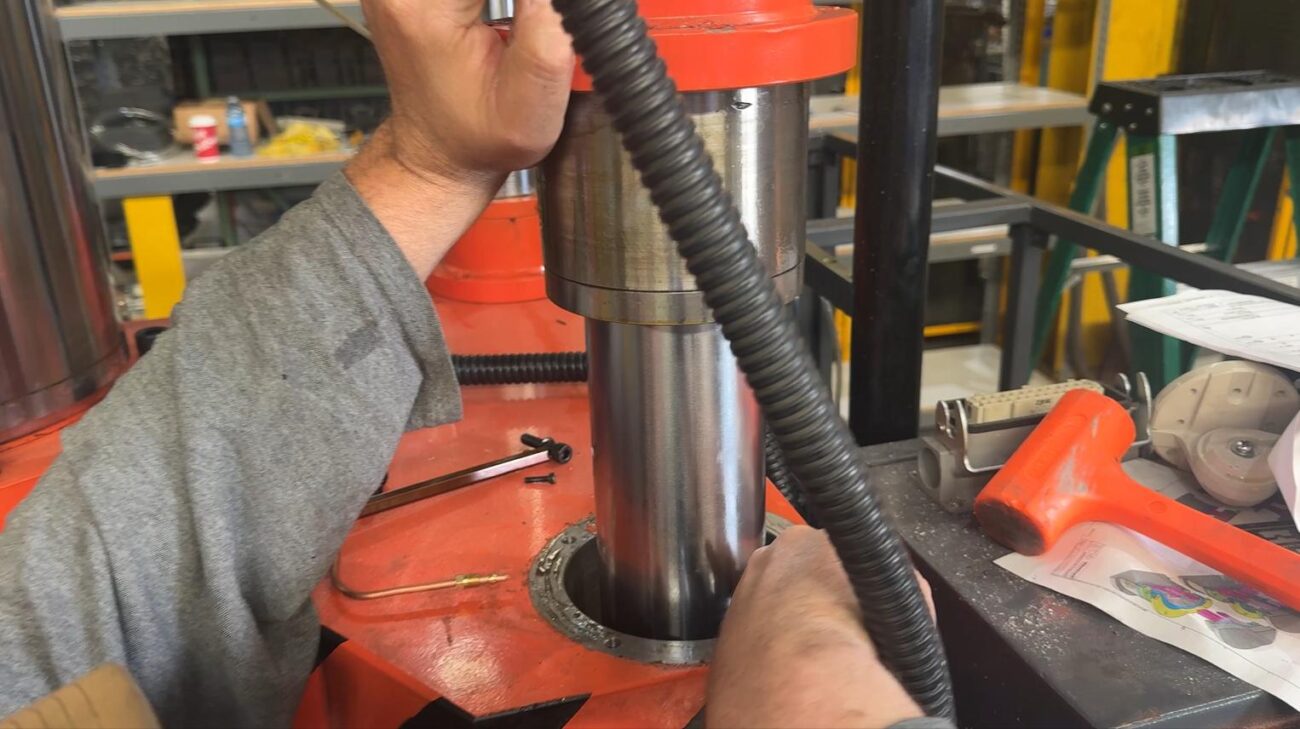
The following detailed test protocols and sequence form a planning framework for MPC-SV verification. The approved factory acceptance test (FAT) plan defines the actual tooling, instruments, sample counts, logging rates, operating limits and pass/fail criteria. Project photographs show inspection work; measured performance is established by the signed test report.
Pre‑test verification
- Review mechanical torque values and alignment against the assembly checklist.
- Check current instrumentation calibration certificates for installed load cells, position transducers and thermocouples, as applicable.
- Identify the FAT HMI recipes and approved tooling setup before execution.
- Confirm data logging paths and time synchronization across the PLC, data logger and external sensors used in the test.
Dry functional checks (no powder)
Qualified personnel perform dry functional checks (no powder) under the approved machine test procedure. The review covers motion profiles, limit switches, light curtains, interlocks, E-stop behavior and guarded access. Where automation is installed, include robot handshakes and I/O sequences within the agreed validation scope.
Instrumentation validation
Instrumentation validation should identify each installed sensor, its calibration method and the required measurement uncertainty. Review load-cell force readings against an appropriate calibrated reference, position transducer accuracy against known displacements, and thermocouple readings against a calibrated temperature reference. Record the measurement range and certificates relevant to the test.
Warm‑up and thermal stabilization
Define the warm-up and thermal stabilization conditions in the approved FAT plan. Log oil temperature, ambient conditions and hydraulic pressures through the agreed warm-up period, then document when the baseline run begins. The stabilization criterion and number of cycles depend on the machine, tooling and duty—not a universal cycle count.
Baseline repeatability run
- Use customer tooling or representative tooling and the target powder lot for the baseline repeatability run, with an agreed sample count.
- For each part record sample_id, cycle_number, timestamp, mass, calculated green density, two critical dimensions, peak force, displacement, oil temp, ambient temp and notes, as required by the test plan.
- Capture force vs. displacement and raw cycle logs at a sampling rate suited to the event duration and installed acquisition system. Confirm the required rate in Hz or kHz rather than assuming a standard logging capability.
Stress matrix
A stress matrix or speed sensitivity study must remain within the approved limits of the press, tooling, powder process and guarding arrangement. Engineering defines any nominal and varied conditions before testing. Document process deviations and correlate them with force/displacement signatures; do not apply arbitrary force or speed percentage changes to an unverified setup.
Endurance and thermal run
For an endurance and thermal run, agree the run duration, nominal cycle rate, sampling interval and parts per sample. Track drift in density and dimensions together with oil temperature, hydraulic pressures and servo drive temperatures. Record interruptions and setup changes so the results can be interpreted against the actual operating duty.
Final verification and lock
Final verification and lock should include a confirmation sample after the agreed test sequence, review of any corrective actions, and export of the approved HMI recipes. Assemble applicable calibration certificates and sign the final acceptance checklist when the agreed requirements have been met.
Data capture, analysis, and acceptance criteria
Define data capture, analysis and acceptance criteria before the run. A traceable record connects each Energy Mineral Company in Quebec project sample—or a sample from a new customer trial—to the powder lot, tooling, recipe and measurement conditions used. Agree which raw logs and summarized analytics form part of the handover.
Data capture specifics
- Cycle signals: force, position and time, with the acquisition rate and units recorded.
- Part metadata: sample_id, cycle_number, timestamp, operator and powder_lot.
- Environmental: oil_temp_C, ambient_temp_C and ambient_rh_pct where relevant.
- Measurement: mass_g, density_gcc, D1_mm and D2_mm, with defined measurement methods.
Analysis to Include in the Test Review
- Compute mean and standard deviation for green density and dimensions using the agreed sampling method.
- Use X̄ and R control charts where the subgrouping and data support them.
- Evaluate capability indices (Cp, Cpk) only with suitable data, a stable process and defined specification limits; check the distribution assumptions before interpreting them.
- Overlay force vs. displacement curves for baseline and approved stress runs to review process stability.
- Trend oil temperature vs. density to investigate thermal sensitivity.
Reference: NIST guidance on process capability.
Acceptance Criteria to Agree for the Application
| Review item | Acceptance basis |
|---|---|
| Green density and dimensional variance | Target values, allowed variation and measurement/sampling methods for the actual compact. |
| Density standard deviation (σ) | A defined statistical method and an application-specific limit; not a general press accuracy rating. |
| Peak force variance and variation | Specify the statistic, units and allowable deviation from the recipe; percentage deviation and statistical variance are different measures. |
| Density drift and thermal stability | Agreed run duration and conditions, including oil temperature control and heat exchanger operation where fitted. |
| Safety and interlock validation | A documented test plan, competent validation and closure of identified issues before acceptance. |
Where a result falls outside its agreed criterion, document root-cause analysis—such as mechanical alignment, sensor calibration or recipe tuning—and the re-test scope. Record the evidence supporting final acceptance rather than treating example limits as published machine performance.
Safety, documentation, and traceability
Include safety, documentation and traceability in the commissioning package:
- Safety: approved lockout/tagout procedures, emergency stop validation and operator training. Confirm the installed guarding and safety-control requirements; where CAT4 is specified, obtain the corresponding system validation rather than inferring it from a light-curtain label.
- Documentation: signed test checklists, applicable calibration certificates, HMI recipe exports and raw data archives.
- Traceability: identify serialized component records, torque logs, tooling revisions and corrective actions included in the agreed handover.
Service and testing procedures must be prepared for the specific installation and carried out by qualified personnel. See OSHA’s hazardous-energy control overview for general US lockout/tagout context.
Deliverables and what the customer receives
The handover package should identify manuals and instructions, approved recipes, test records, training and commissioning support included in the project scope. Agree service availability and responsibilities with MetalPress for the installation.
Buyers evaluating a powder pressing machine can use the powder metallurgy press machine selection guide to prepare an enquiry. Compare the proposed configuration with the MPC-SV powder compaction press specifications, powder pressing applications by material and axial powder compaction methods.
Review commissioning and training support when defining the installation and handover scope.
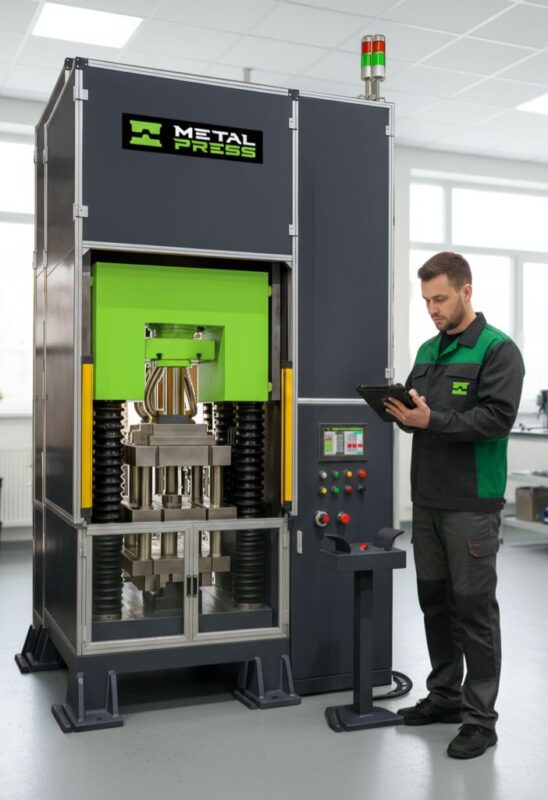
Let Us Make Your Next Powder Compaction Press
Whether your project is in the USA, Canada, Mexico or South America, contact MetalPress for powder-compaction information, a quote or consultation. Include the powder, part drawing, tooling sequence, load requirements, cycle target and acceptance checks.
View our Powder Compaction Press for current model details and configuration planning.
Visit all our products