

Blog
A 30-Ton Journey: From Expo Encounter to a Complete Die Upender Testing & Finalizing

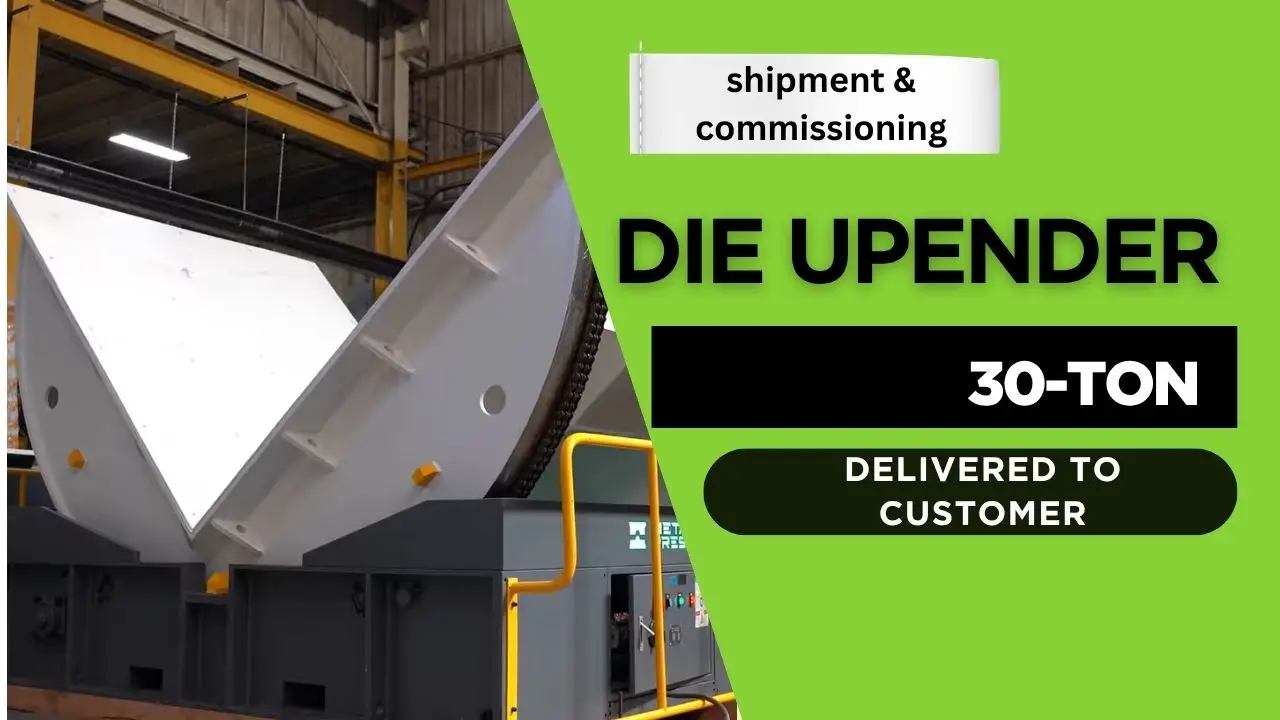
Before diving into engineering details, it’s worth revisiting how this project began. In Stage One, we explored the customer’s initial challenges, the expo demonstration that sparked their interest, and the discovery conversations that clarified their operational needs. That early alignment — understanding their die sizes, safety concerns, and workflow bottlenecks — set the foundation for everything that followed.
👉 Read the previous article about the start of this 30-ton die upender journey and the design and assembly phases
Engineering Review: Turning Requirements Into Specifications
Once the project moved into the engineering phase, our team began translating the customer’s operational challenges into precise technical requirements. This stage is where MetalPress’s engineering‑first approach becomes a real advantage.
Key engineering priorities
Load capacity verification: Confirming the 30‑ton rating with safety factors appropriate for their heaviest molds.
Die footprint and geometry analysis: Ensuring the platform dimensions and support surfaces matched their tooling.
Rotation stability modeling: Simulating center‑of‑gravity shifts during flipping to guarantee smooth, controlled motion.
Floor layout and workflow integration: Designing the system to fit their existing space without disrupting production flow.
Operator safety enhancements: Evaluating guard options, control placement, and emergency‑stop accessibility.
These engineering checkpoints ensured the solution wasn’t just capable — it was tailored.
👉 View our Die Upender products MDR Deries and fill the request for information form for any question you have.
Engineering Review: Turning Requirements Into Specifications
With the baseline requirements defined, we presented several configuration paths to help the customer choose the best fit for their environment.
Customization options
Platform size adjustments: To accommodate their largest mold dimensions.
Hydraulic system tuning: Adjusting rotation speed and torque for smoother flipping.
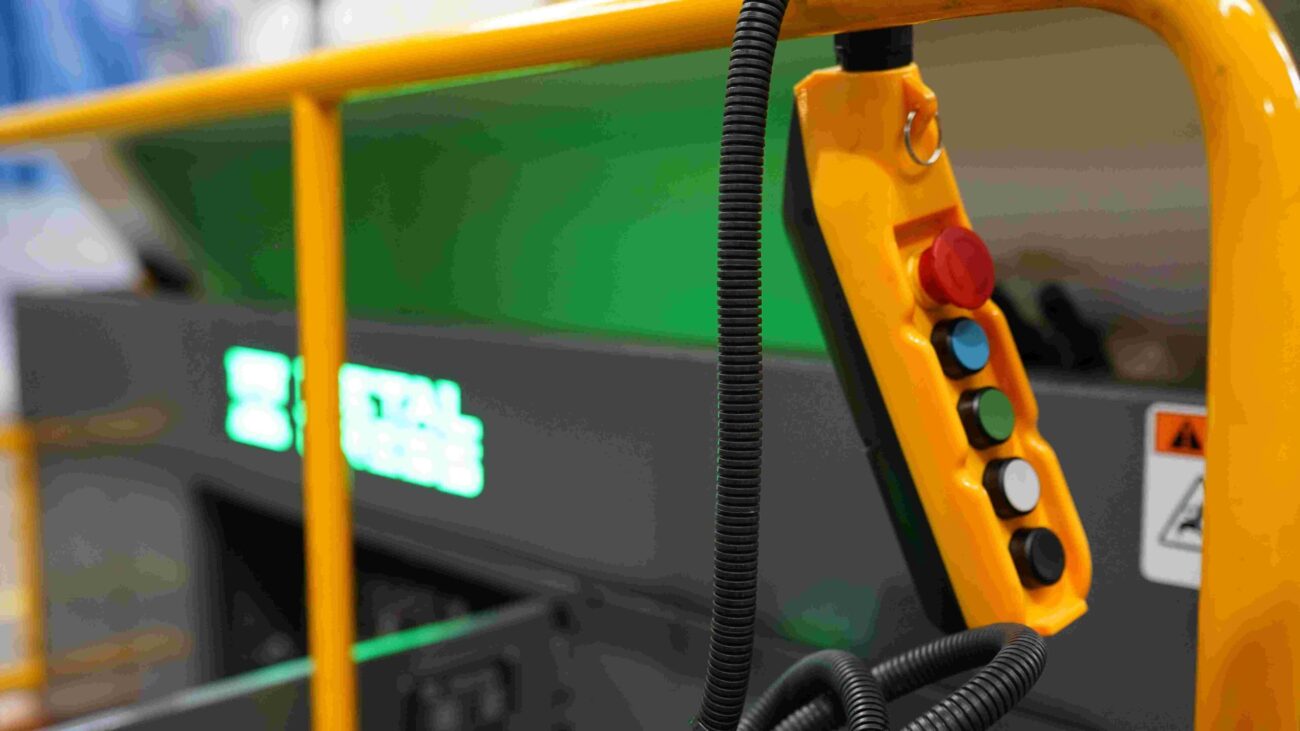
Control panel configuration: Offering pendant, fixed‑panel, or wireless options.
Safety guarding packages: Including light curtains, perimeter fencing, or interlocked gates.
Surface treatments and coatings: For environments with oil, dust, or high humidity.
Each option was explained with cost, lead time, and operational impact so the customer could make an informed decision.
A Perfect Ending
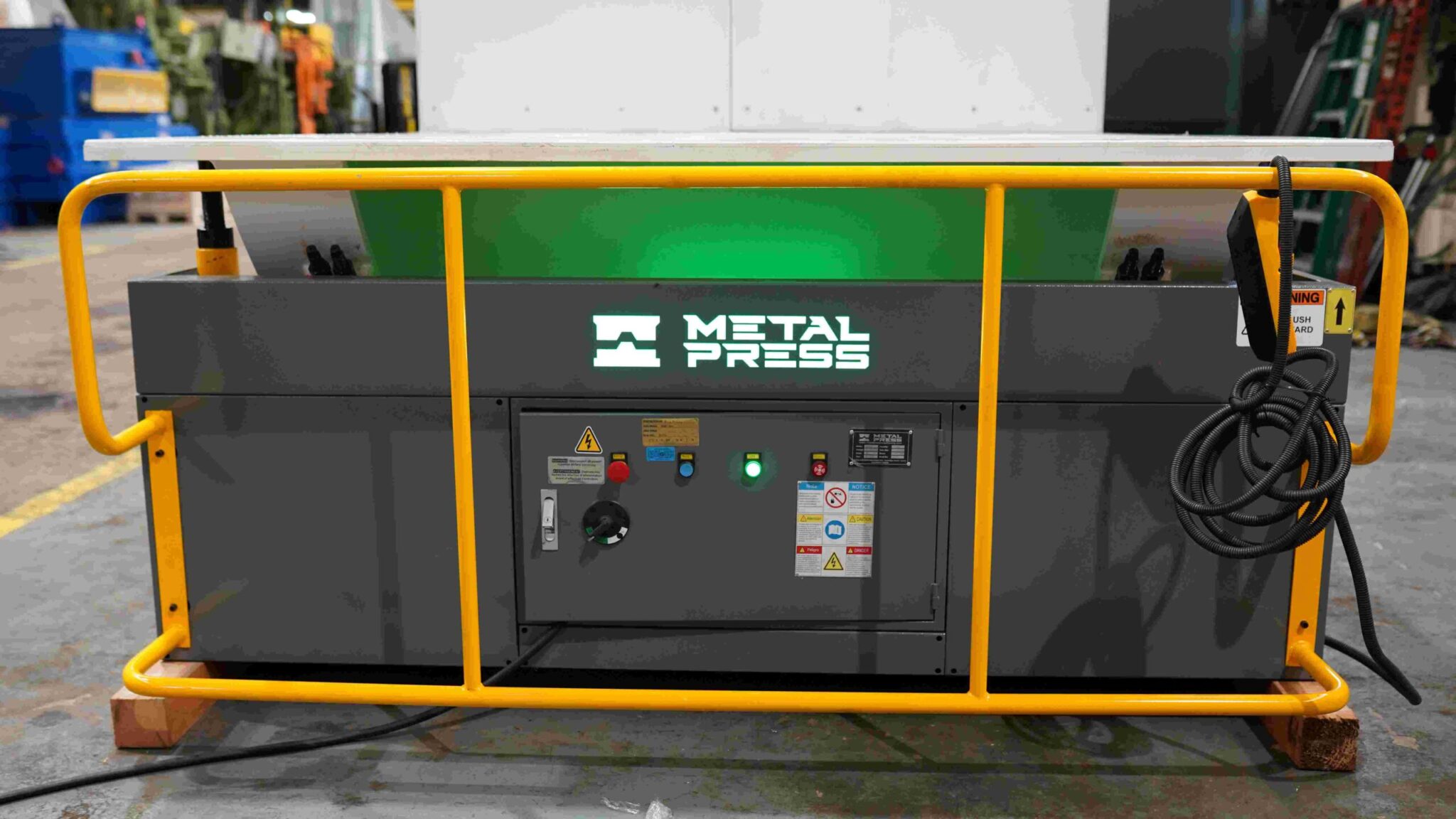
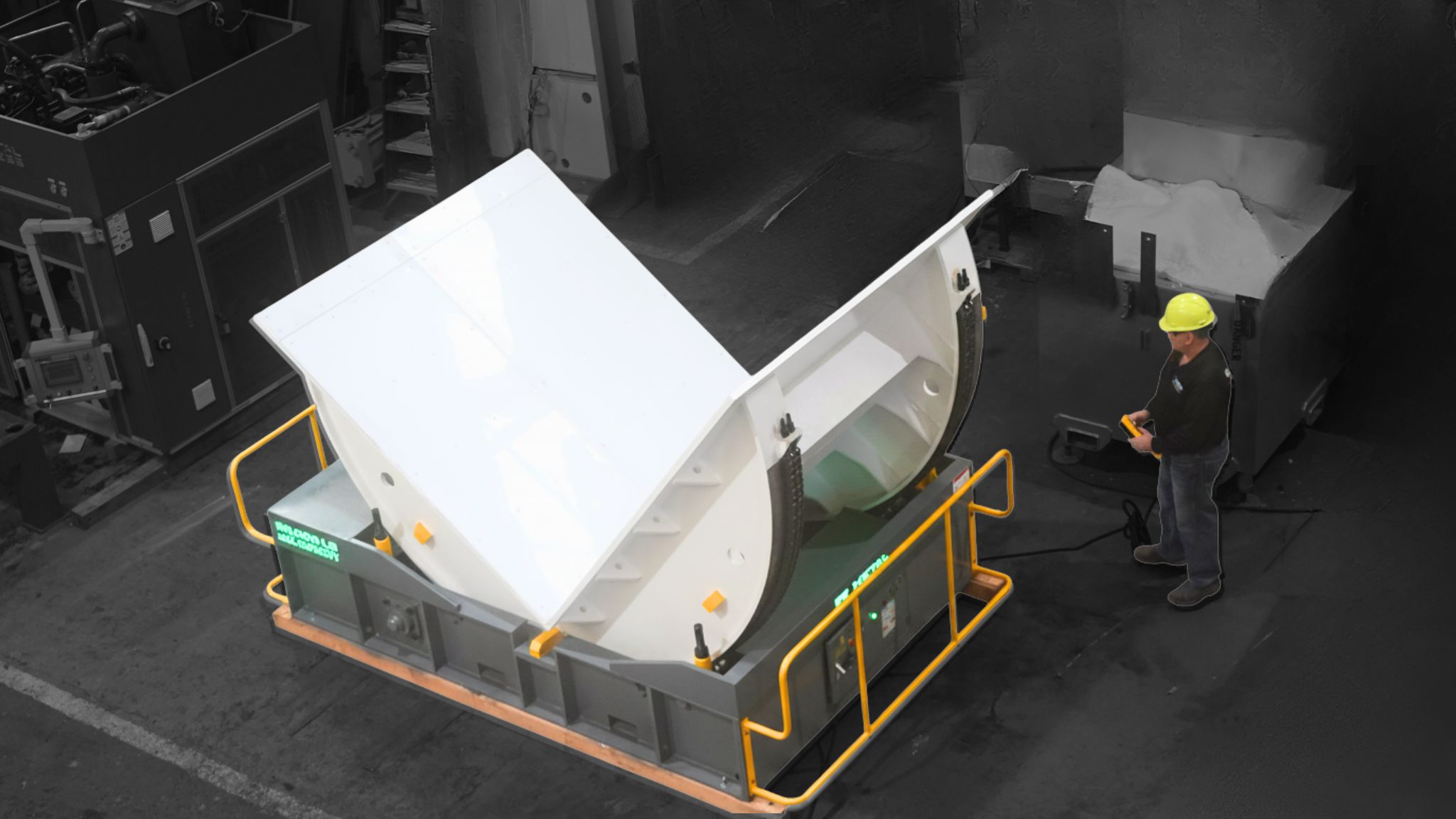
Before a 30 Ton Die Upender leaves our facility, it undergoes a thorough series of finishing and testing procedures — the final step that transforms a precisely assembled system into a fully reliable piece of industrial die handling equipment.
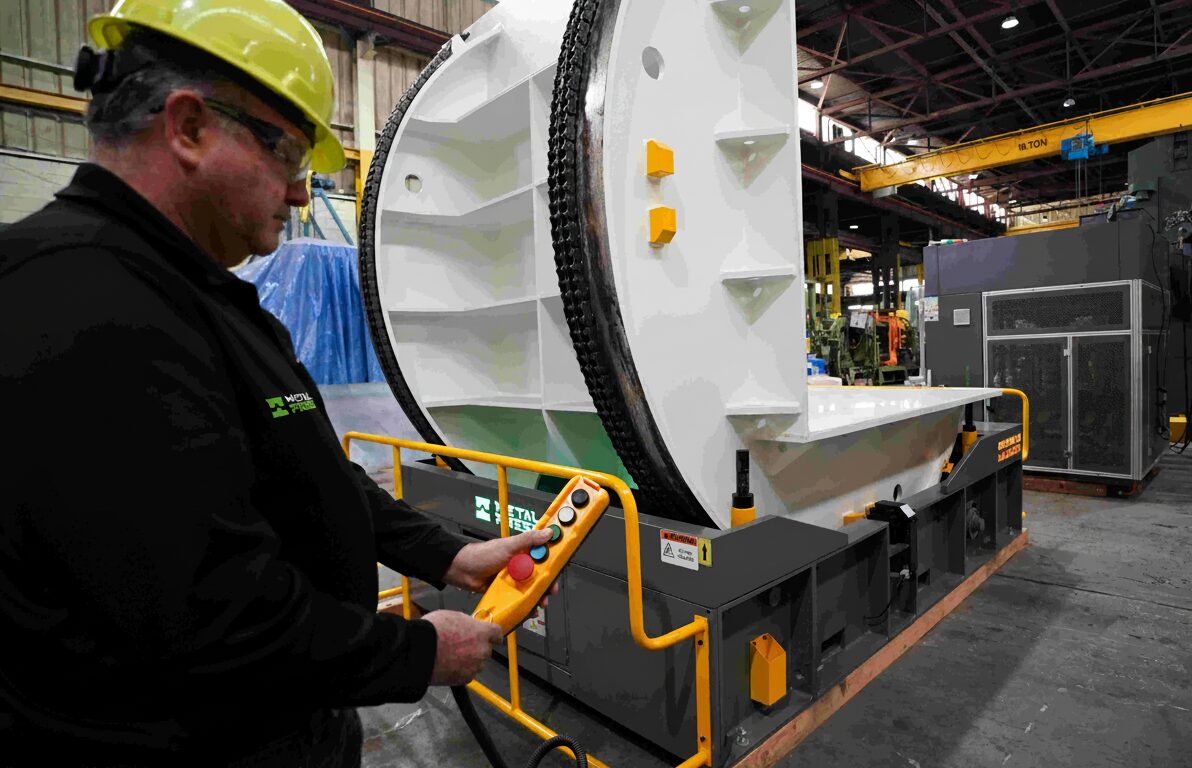
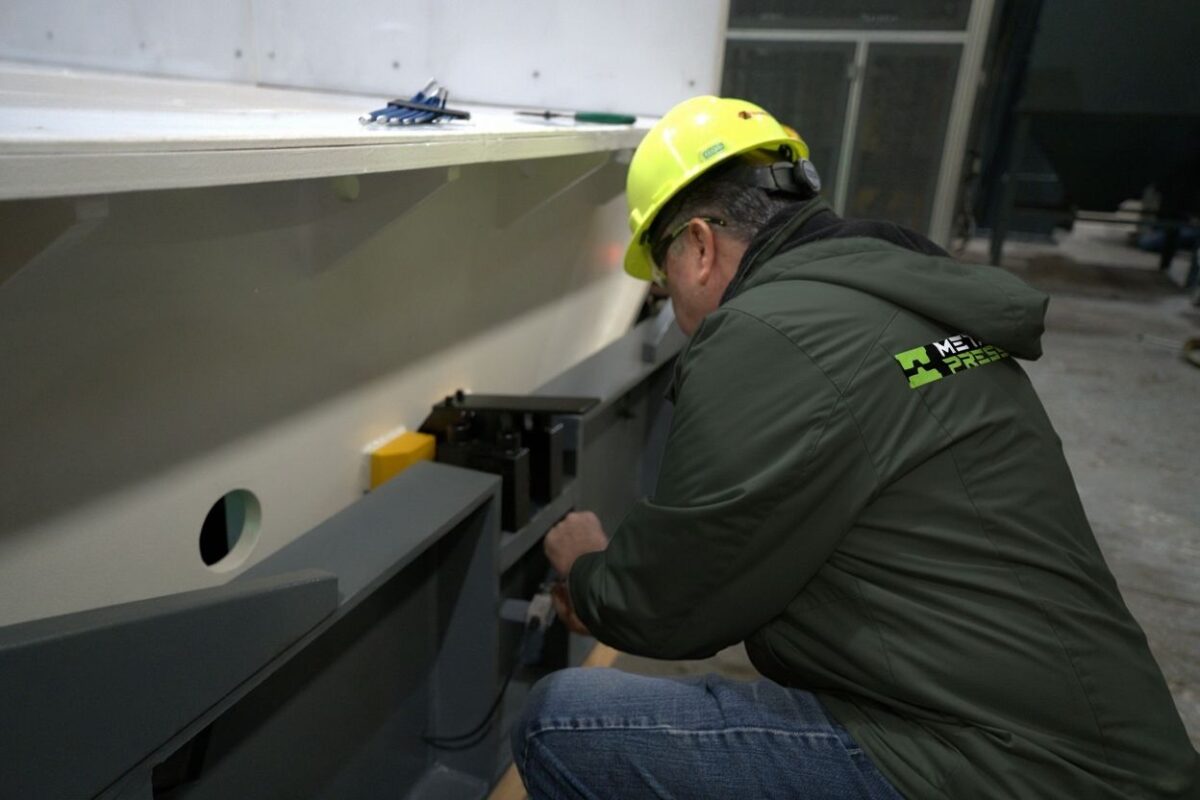
Once mechanical and electrical assembly is complete, our technicians carry out detailed inspection and calibration to ensure the upender performs exactly as designed. Each function — from the gear-motor rotation and chain tension to the LED safety indicators and control responses — is tested multiple times under simulated load conditions. This process guarantees stable movement, consistent torque, and safe stopping at every point of rotation.
After performance testing, the equipment is carefully cleaned, detailed, and finished. All surfaces are coated with a durable industrial paint that resists corrosion and wear, protecting the machine during transport and long-term operation. Safety labels, control markings, and specification plates are applied to make the unit ready for installation and immediate use at the client’s site.
Every MDR Series Die Upender that passes through our quality checks represents more than just equipment — it reflects our commitment to precision, safety, and customer trust. When we sign off on a machine, we know it’s ready to perform reliably the moment it arrives on the factory floor.
Functional Testing & Motion Simulation
To validate the flipping motion and ensure operator safety, our team conducts a series of simulations and tests before finalizing the design.
Testing procedures
Rotation simulation: Modeling the die’s movement through the full 90° or 180° rotation to confirm stability and prevent sudden shifts.
Hydraulic response testing: Simulating how the hydraulic system behaves under load, including acceleration, deceleration, and emergency stops.
Balance and support analysis: Ensuring the die remains fully supported during the entire flipping cycle.
Control system logic testing: Verifying that pendant or panel controls respond predictably and safely.
These tests give the customer confidence that the machine will perform consistently from day one.
Final Quality Assurance & Documentation
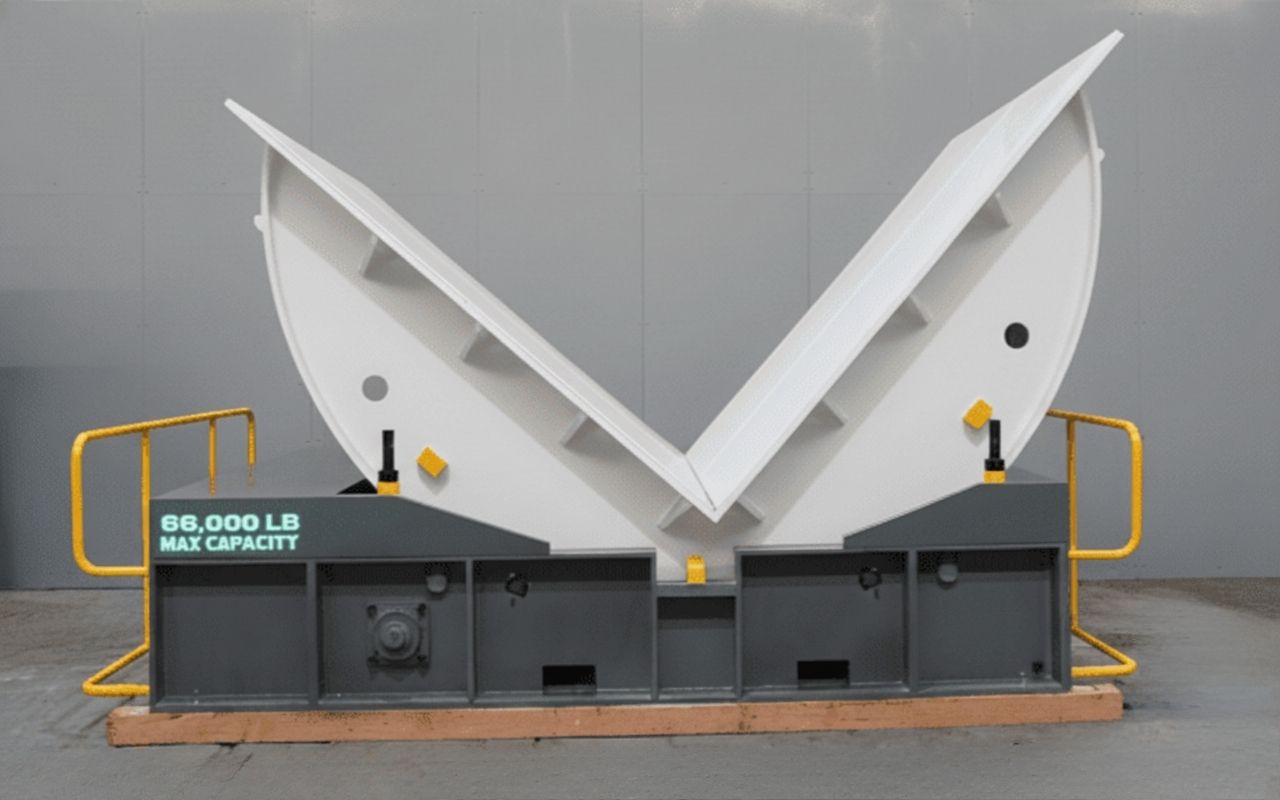
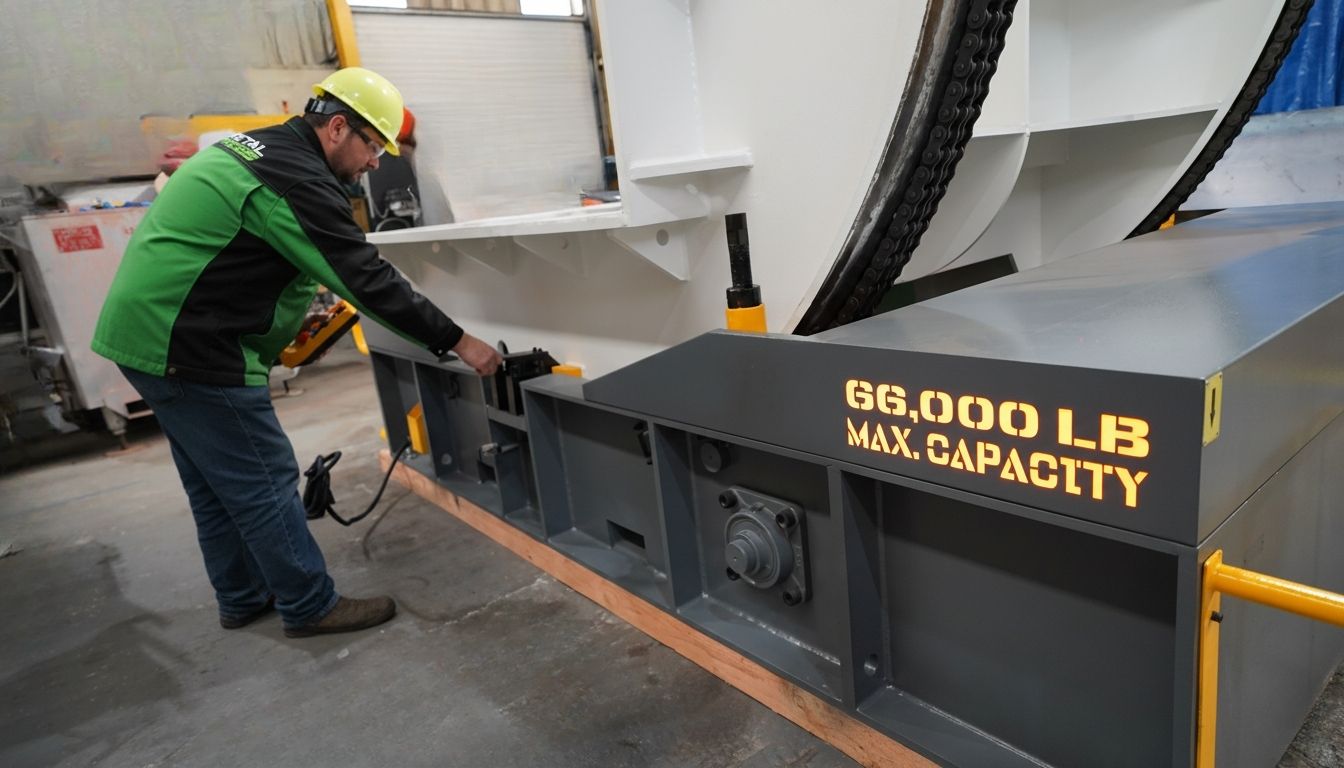
Before delivery, the upender went through an extensive testing and inspection process. Our engineering team ran multiple load simulations to ensure smooth die rotation, stable hydraulic pressure, and flawless control response.
Fine adjustments were made to the hydraulic system and control interface to ensure easy operation and long-term reliability. Once all quality checks were complete, the machine received its final finish — clean, polished, and ready to perform.
Each project is signed off only after passing strict quality assurance and safety benchmarks that meet both international and U.S. industrial standards.

Ready for Shipment: Secured and Scheduled
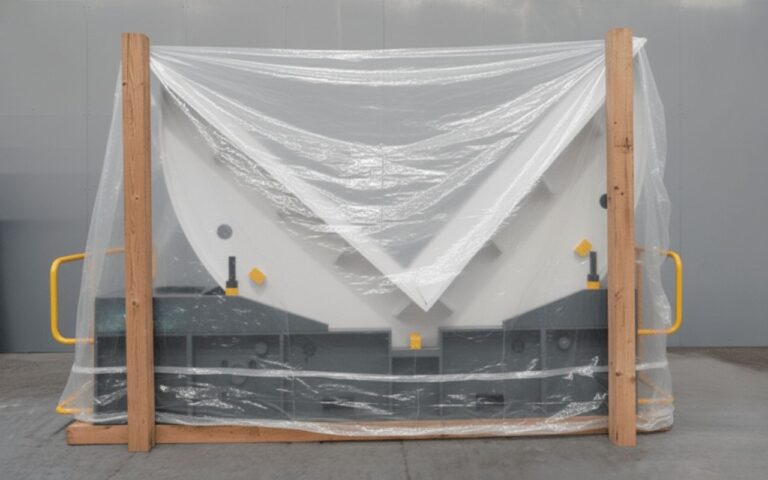
With testing completed, the 30 ton die upender was prepared for shipment to the facility in South Deerfield, Massachusetts. Carefully packed and secured, it began its journey to a new home in the heart of a busy plastics manufacturing plant.
There, it will help operators handle heavy molds more safely, reduce downtime, and improve efficiency that is a perfect example of how collaboration and customization can transform industrial operations.
From a chance meeting at an expo to a working solution on the factory floor, this project reflects our commitment to precision, reliability, and customer success in every piece of die handling equipment we assemble.
We will come back to you with the story of a successful shipment and commissioning.
Let Us Make the Right Die Upender for You
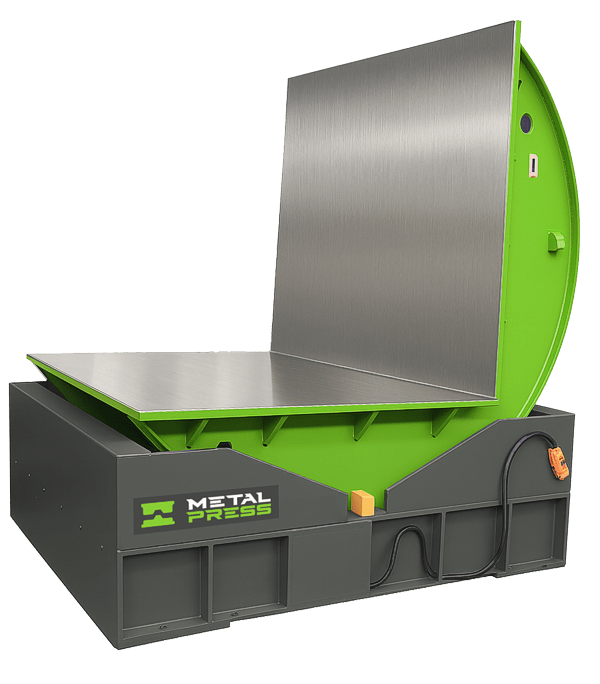
Whether you’re handling heavy molds, dies, or tooling, our MDR Series Die Upenders are engineered for safety, precision, and efficiency.
Each unit is assembled to meet your exact load capacity, workspace, and operational requirements which is delivering smooth, stable rotation and long-term reliability.
More information about this die upender
For more information about our other products