

Blog
Heating Platens and Heated Press Systems: How Temperature Control Transforms Forming and Molding

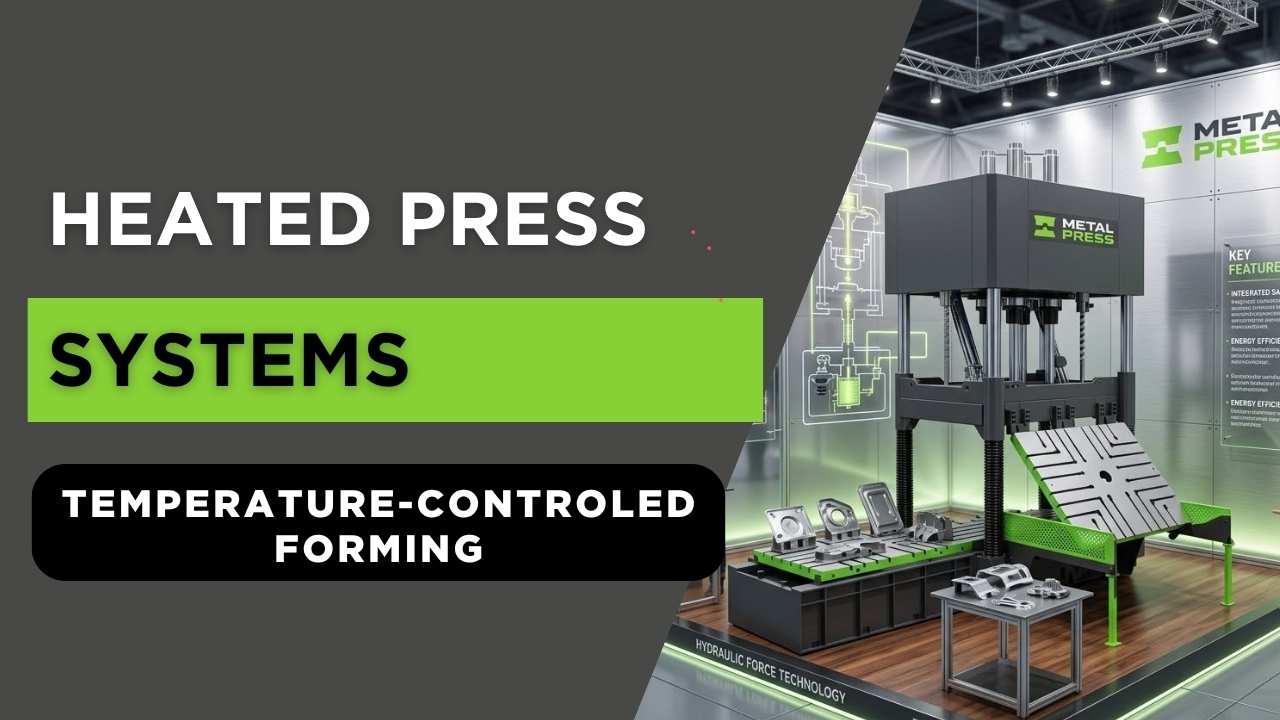
In modern manufacturing, temperature is not just a variable — it is a decisive factor that determines material behavior, cycle time, part quality, and long‑term process stability. Whether a manufacturer is working with composites, rubber, plastics, laminates, or precision‑molded components, the ability to apply controlled heat through a press platen is often the difference between a reliable process and an unpredictable one. This is why heating platens, platen heaters, and heated press systems have become essential in industries where consistency, repeatability, and material performance matter.
A heated platen is far more than a hot surface. It is a carefully engineered thermal system designed to deliver uniform temperature across the entire pressing area, maintain stability under load, and integrate seamlessly with the press frame and control system. When paired with a high‑precision press — such as a Spotting Press Mold Tryout Servo Press, a Spotting Press Mold Tryout Press, or a temperature‑controlled system supported by a Hot Oil Temperature Control Unit — the heated platen becomes a powerful tool for shaping materials with accuracy and confidence.
This article explores the engineering behind heating platens, why they are used, how they influence material behavior, and what manufacturers should consider when selecting a heated press system. It also examines the role of temperature control units, the importance of platen uniformity, and the growing demand for heated presses in composite molding, aerospace components, automotive parts, and advanced material processing.
Platen performance also depends on the circulating thermal system. Compare composite molding temperature control, rubber processing temperature control, and metalworking temperature control units, then use the hot oil TCU product page for equipment details.
Why Heating Platens Matter in Modern Manufacturing
Materials behave differently under heat. Some soften, some flow, some cure, and some bond. In every case, temperature determines how the material responds to pressure. Without controlled heat, many forming and molding processes would be impossible or inconsistent.
Manufacturers rely on heated platens for several reasons. First, heat reduces the force required to shape certain materials, allowing the press to operate more efficiently. Second, heat activates chemical reactions — such as curing, cross‑linking, or bonding — that are essential for composite materials, rubber components, and thermoset plastics. Third, heat improves surface finish and dimensional accuracy by allowing the material to conform more precisely to the mold or die.
In industries where precision matters, such as aerospace, automotive, and electronics, the ability to maintain a stable, uniform temperature across the platen is critical. Even small temperature variations can lead to warping, uneven curing, or internal stresses that compromise part quality. This is why heated platens are engineered with advanced thermal systems designed to eliminate hot spots, maintain uniformity, and respond quickly to temperature changes.
The Engineering Behind Heating Platens
A heating platen is not simply a metal plate with embedded heaters. It is a carefully designed thermal system that must balance heat transfer, structural rigidity, and mechanical stability. The platen must remain flat under load, maintain parallelism with the opposing platen, and distribute heat evenly across its entire surface.
To achieve this, manufacturers use a combination of heating elements, thermal channels, and precision machining. The heating elements may be electric cartridge heaters, cast‑in heaters, or fluid‑based channels that circulate hot oil or water. Each method has advantages depending on the application.
Electric heating elements offer fast response times and precise control, making them ideal for applications where temperature changes frequently or where rapid heating is required. Fluid‑based systems, such as those supported by a Hot Oil Temperature Control Unit, offer exceptional uniformity and stability, especially at higher temperatures. They are commonly used in composite molding, rubber processing, and applications where long dwell times are required.
Regardless of the heating method, the platen must be engineered to maintain structural integrity under load. This is especially important in large presses, where the platen may experience significant force during forming or molding. A machine like the Spotting Press Mold Tryout Servo Press is designed to maintain platen parallelism even under heavy loads, ensuring that the heated platen performs consistently throughout the cycle.
Uniform Temperature Distribution: The Key to Quality
One of the most important characteristics of a heated platen is its ability to maintain uniform temperature across the entire surface. Temperature variation — even a few degrees — can lead to inconsistent material behavior. In composite molding, for example, uneven temperature can cause incomplete curing, internal voids, or variations in mechanical properties. In rubber molding, it can lead to uneven cross‑linking or surface defects. In thermoplastic forming, it can cause warping or dimensional inaccuracies.
Achieving uniform temperature distribution requires careful engineering. The heating elements must be positioned to eliminate hot spots, and the platen must be thick enough to distribute heat evenly while remaining rigid under load. Fluid‑based systems offer excellent uniformity because the circulating fluid naturally distributes heat across the platen. This is why many manufacturers pair heated platens with a Hot Oil Temperature Control Unit, which provides stable, consistent heat throughout the cycle.
Uniformity is not just a matter of quality — it is a matter of efficiency. When the platen heats evenly, cycle times become more predictable, and the process becomes easier to control. This leads to higher throughput, lower scrap rates, and more consistent part quality.
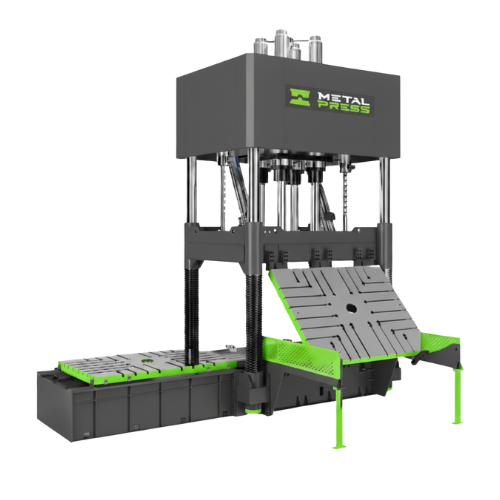
Our die spotting press and hot oil temperature control unit

How Heated Platens Improve Forming and Molding Processes
Heated platens play a critical role in a wide range of forming and molding processes. In composite molding, heat activates the resin system, allowing the fibers to bond and cure. In rubber molding, heat triggers the vulcanization process, transforming raw rubber into a durable, elastic material. In thermoplastic forming, heat softens the material, allowing it to flow into the mold and take on complex shapes.
In each case, the heated platen ensures that the material reaches the correct temperature at the correct time. This is essential for achieving consistent results. Without controlled heat, the material may not flow properly, cure completely, or bond effectively. This can lead to defects, rework, or part failure.
Heated platens also improve surface finish. When the material is heated evenly, it conforms more precisely to the mold or die, producing a smoother, more uniform surface. This is especially important in applications where aesthetics or aerodynamic performance matter, such as aerospace components or automotive body panels.
A machine like the Spotting Press Mold Tryout Press is designed specifically for applications where precise temperature control and platen alignment are essential. It allows manufacturers to test molds, verify part quality, and fine‑tune the process before moving into full production.
The Role of Temperature Control Units
A heated platen is only as effective as the system that controls it. Temperature control units (TCUs) play a critical role in maintaining consistent heat throughout the process. These units circulate hot oil or water through the platen, ensuring that the temperature remains stable and uniform.
A Hot Oil Temperature Control Unit is ideal for applications requiring high temperatures, long dwell times, or exceptional uniformity. Hot oil systems can reach temperatures that water‑based systems cannot, and they offer excellent thermal stability. This makes them ideal for composite molding, rubber processing, and applications where precise temperature control is essential.
TCUs also improve safety by preventing overheating, monitoring fluid flow, and providing alarms or shutdowns if the system detects a problem. They integrate with the press control system, allowing operators to monitor temperature, adjust settings, and maintain consistent process conditions.
Why Manufacturers Are Increasingly Turning to Heated Press Systems
The demand for heated press systems is growing across multiple industries. In aerospace, composite materials are becoming more common, and these materials require precise temperature control during molding. In automotive manufacturing, lightweight materials and advanced polymers are replacing traditional metals, and these materials often require heat to form or cure. In electronics, laminates and encapsulation materials require controlled heat to achieve the desired properties.
Manufacturers are also seeking greater consistency and repeatability. Heated platens provide a level of control that is essential for high‑precision applications. They reduce scrap, improve part quality, and enable manufacturers to meet tighter tolerances.
As materials continue to evolve, the need for heated press systems will only increase. Manufacturers who invest in heated platens and advanced temperature control systems position themselves for long‑term success in industries where precision and performance matter.
Selecting the Right Heated Press System
Choosing the right heated press system depends on several factors, including material type, temperature requirements, cycle time, and tooling configuration. Manufacturers must consider the heating method, platen size, frame type, and control system.
A servo‑driven system like the Spotting Press Mold Tryout Servo Press offers exceptional control over speed, force, and position, making it ideal for applications requiring precision and repeatability. A traditional hydraulic system like the Spotting Press Mold Tryout Press offers robust performance and reliability for a wide range of molding and forming applications. A Hot Oil Temperature Control Unit provides the thermal stability required for high‑temperature processes.
The right combination of press, platen, and temperature control system ensures that the process is efficient, consistent, and capable of meeting production requirements.
Conclusion: Heating Platens Are Essential for Modern Manufacturing
Heating platens are no longer optional in industries where material performance and part quality matter. They provide the thermal control required for molding, forming, curing, and bonding advanced materials. When paired with a high‑precision press — such as a Spotting Press Mold Tryout Servo Press or a Spotting Press Mold Tryout Press — and supported by a Hot Oil Temperature Control Unit, they become a powerful tool for achieving consistent, high‑quality results.
As materials continue to evolve and manufacturing demands increase, heated platens will play an even greater role in shaping the future of production.
We Make Your Next Press
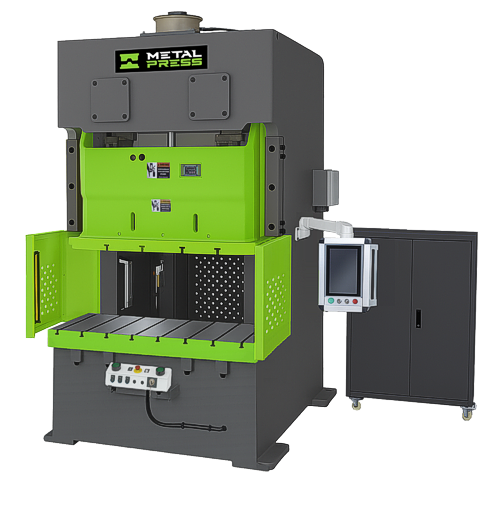
MetalPress Machinery is a top Press Manufacturer. Whether you’re located in the USA, Canada, Mexico, or South America, you can contact us for more information, pricing, and consultations through our online forms, or by phone or email.