

Blog
Hyd Press vs. Hydraulic Press: Understanding the Terminology and Technology Behind Modern Press Systems


In the world of manufacturing, terminology evolves quickly. Operators shorten words, maintenance teams create their own shorthand, and industry slang becomes part of everyday communication. One of the most common examples is the phrase “hyd press” — a term that appears everywhere from online searches to shop‑floor conversations. It’s a shorthand way of referring to a hydraulic press, but the term has taken on a life of its own. For some, “hyd press” refers to a small shop press. For others, it refers to any press that uses hydraulic power. And for many buyers searching online, it’s simply the fastest way to type “hydraulic press.”
But while the terminology may be casual, the technology behind hydraulic presses is anything but. The difference between a small “hyd press” and a true industrial hydraulic press is enormous. One is a basic machine used for light‑duty tasks; the other is a precision‑engineered system capable of delivering controlled force, programmable motion, and production‑grade reliability. Understanding this difference is essential for manufacturers who are scaling up, improving quality, or evaluating new equipment.
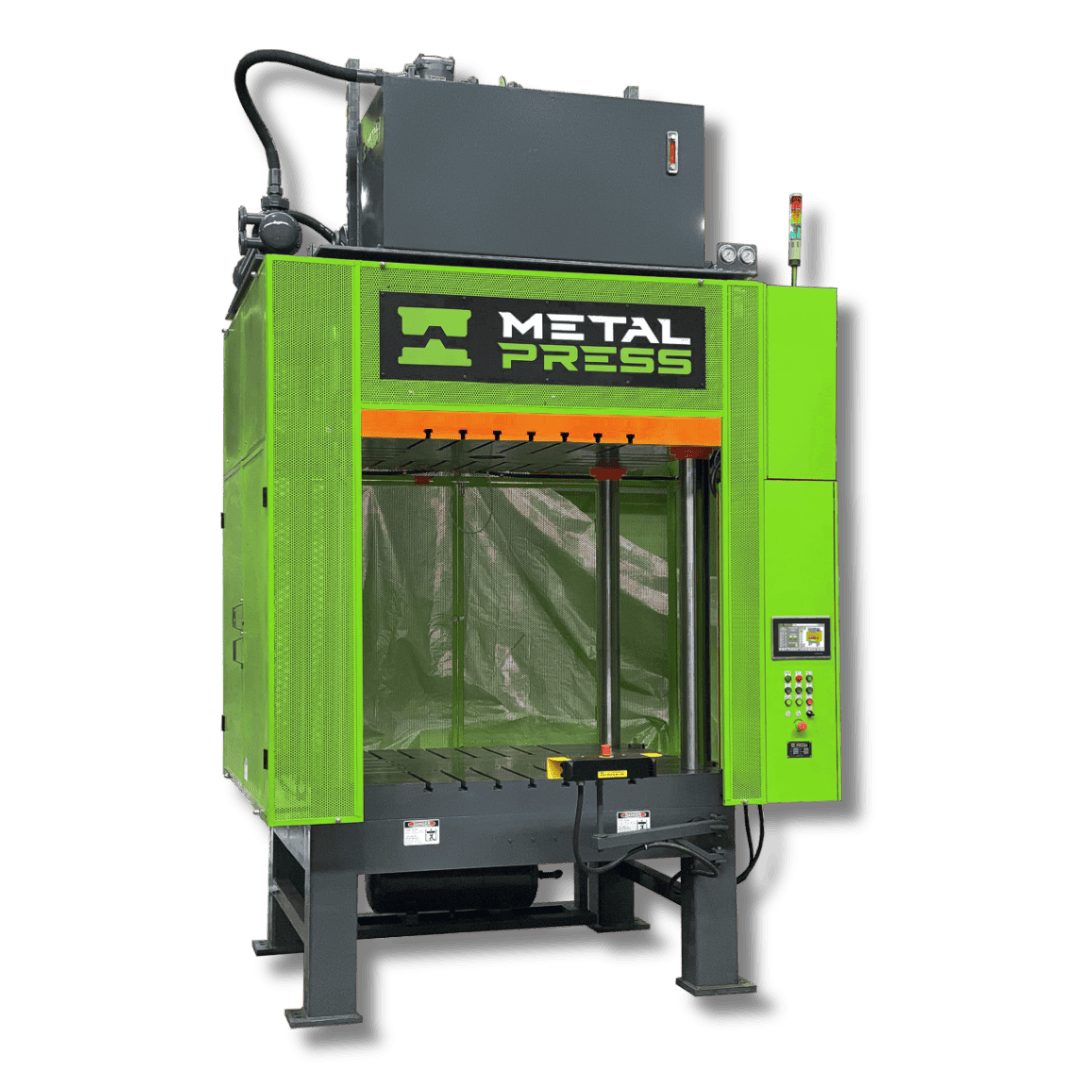
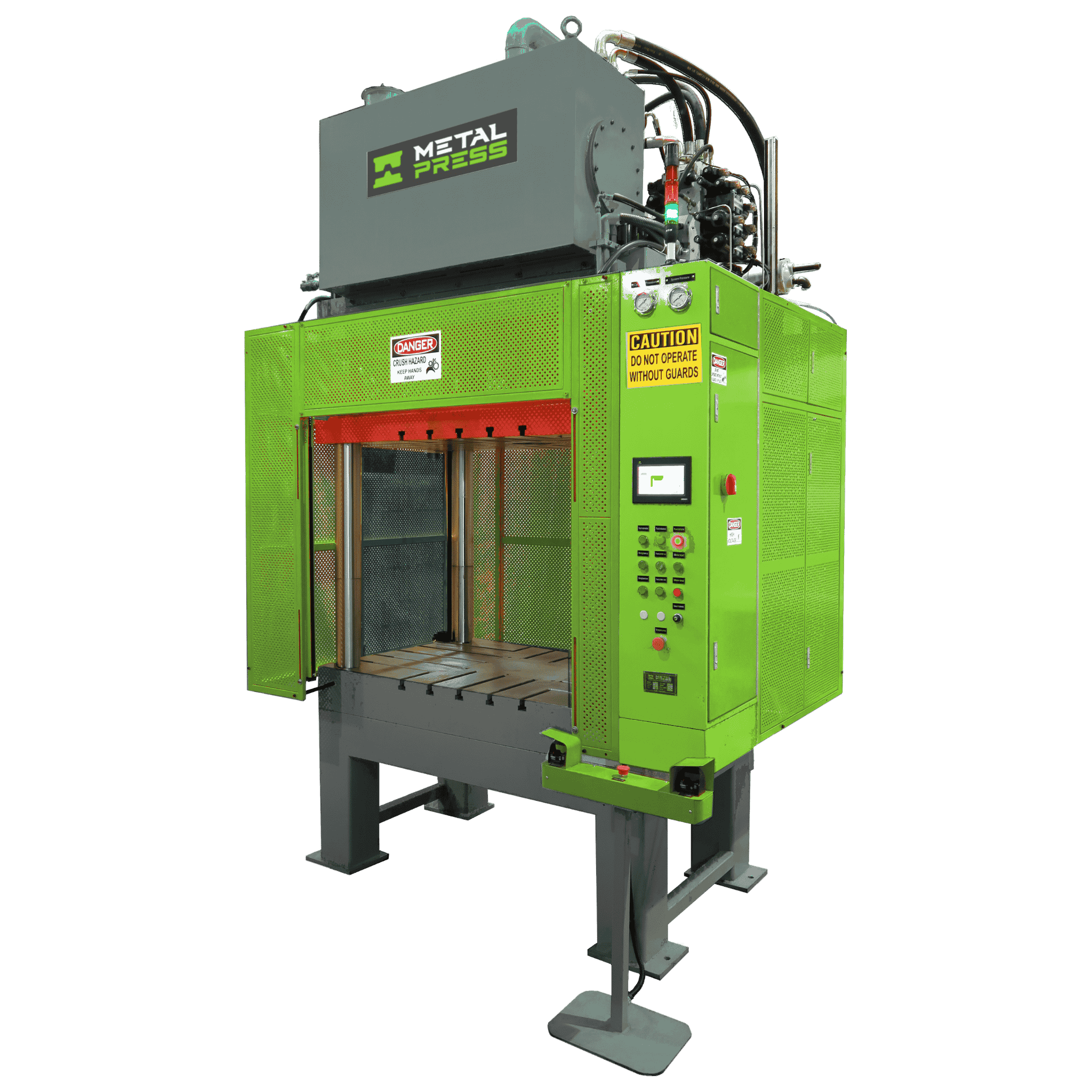
This article explores the meaning of “hyd press,” the evolution of hydraulic press technology, the differences between small and industrial systems, and the factors that influence hydraulic press pricing. Along the way, we’ll reference industrial‑grade systems such as the 4 Post Press, the Trim Press, and the Straight Sided Servo Press to illustrate how full‑scale hydraulic presses solve the limitations that small “hyd presses” cannot overcome.
Why “Hyd Press” Became a Popular Term
The term “hyd press” is a product of convenience. On the shop floor, operators rarely use full technical names. A hydraulic cylinder becomes a “hyd cylinder.” Hydraulic fluid becomes “hyd oil.” And a hydraulic press becomes a “hyd press.” The shorthand is efficient, easy to say, and universally understood among technicians.
Online, the term has exploded in popularity because it’s faster to type and easier to remember. Search data shows tens of thousands of monthly searches for “hyd press,” “hyd presses,” and “hyd press machine.” Many of these searches come from small shops, hobbyists, and new manufacturers who are just beginning to explore hydraulic equipment.
But this is where confusion begins. A person searching for a “hyd press” may be looking for a 10‑ton shop press, a 50‑ton H‑frame press, or a 500‑ton industrial forming system. The term is vague, and without context, it can refer to almost anything. That’s why it’s important to understand the differences between small hydraulic presses and industrial hydraulic presses — because the gap between them is enormous.
What Most People Mean When They Say “Hyd Press”
When someone uses the term “hyd press,” they are usually referring to a small, manually operated hydraulic press. These machines are common in automotive shops, repair facilities, small fabrication environments, and hobbyist workshops. They are typically used for tasks such as bearing installation, bushing removal, light straightening, and simple forming operations.
These presses are inexpensive, compact, and easy to use. They rely on a basic hydraulic cylinder powered by a hand pump or small electric pump. They are not designed for precision forming, high‑force applications, or continuous production. Their frames are lightweight, their controls are simple, and their capabilities are limited.
There is nothing wrong with these machines — they serve a purpose. But they are not industrial hydraulic presses, and they cannot perform the work required in modern manufacturing environments.
What an Industrial Hydraulic Press Really Is
The most important difference between a small hyd press and an industrial hydraulic press is the frame. A small hyd press typically uses a simple H‑frame or C‑frame made from lightweight steel. These frames flex under load, which leads to inconsistent results. They are not designed for precision forming or high‑tonnage applications.
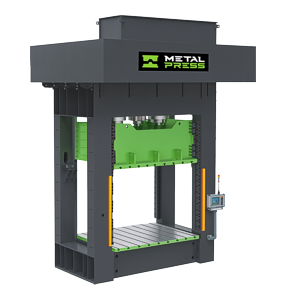
Industrial hydraulic presses, on the other hand, use heavy‑duty frames engineered to minimize deflection. The frame is the backbone of the machine, and its rigidity determines the accuracy of the press. A machine like the Straight Sided Servo Press uses a straight‑sided frame that provides exceptional rigidity and stability. This allows the press to maintain tight tolerances even under high loads.
The difference in frame design is not subtle — it is the difference between a machine that can perform simple tasks and a machine that can support advanced manufacturing processes.
Our selected hydraulic presses
The Structural Differences Between a Hyd Press and an Industrial Hydraulic Press
An industrial hydraulic press is a completely different category of machine. It is engineered for precision, repeatability, and long‑term reliability. It is built to handle demanding applications such as forming, molding, trimming, deep drawing, compression, and high‑force assembly. It includes advanced controls, safety systems, and structural reinforcements that small “hyd presses” simply do not have.
Industrial hydraulic presses are designed to deliver full tonnage throughout the stroke, maintain platen parallelism under load, and support complex tooling. They can be integrated with automation, sensors, and quality‑control systems. They are built for continuous duty cycles and high‑volume production.
A machine like the 4 Post Press exemplifies this level of engineering. Its four‑column structure distributes force evenly, minimizes deflection, and ensures consistent part quality. This is the type of machine used in real manufacturing environments — not the small “hyd press” found in a garage or repair shop.
Force Capacity: The Most Obvious Difference
Another major difference between small hyd presses and industrial hydraulic presses is the control system. A small hyd press typically uses a manual pump or a simple electric pump with a basic on/off control. There is no precise control over speed, force, or position. The operator must rely on feel and experience to achieve the desired result.
Industrial hydraulic presses use advanced control systems that allow precise control over every aspect of the pressing cycle. Servo‑hydraulic systems, in particular, offer programmable motion profiles, adjustable speeds, dwell times, and force limits. This level of control is essential for applications such as trimming, forming, and compression molding.
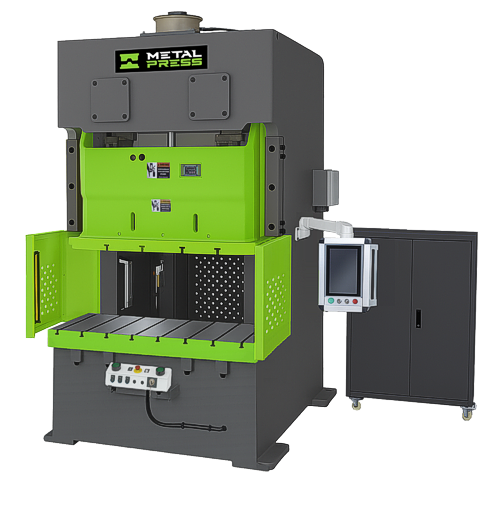
The Trim Press, for example, is designed for high‑precision trimming operations where consistent force and motion control are critical. This type of machine cannot be replaced by a small hyd press, no matter how skilled the operator may be.
Control Systems: Manual vs. Programmable Precision
Small hyd presses typically range from 1 to 50 tons. Industrial hydraulic presses can range from 30 tons to several thousand tons. The difference in force capacity determines what materials and processes the machine can handle.
A small hyd press may be able to press bearings or straighten small parts, but it cannot perform deep drawing, compression molding, or high‑force forming. These applications require the power and stability of an industrial hydraulic press.
The 4 Post Press and Straight Sided Servo Press are examples of machines capable of delivering the high tonnage required for advanced forming operations. They are engineered to apply force evenly and consistently, which is essential for maintaining part quality.
Safety Systems: A Critical Distinction
Small hyd presses often lack advanced safety features. They may include a simple guard or shield, but they do not include the interlocks, light curtains, or emergency stop systems required in industrial environments.
Industrial hydraulic presses are designed with safety as a core requirement. They include guarding, sensors, redundant safety circuits, and advanced control systems that protect operators and ensure compliance with safety standards.
This difference is not optional — it is required for any manufacturer operating at scale.
Tooling Capacity and Flexibility
Small hyd presses have limited tooling capacity. They cannot accommodate large dies, multi‑stage tooling, or complex setups. Their frames and platens are simply not designed for these applications.
Industrial hydraulic presses are built to support a wide range of tooling configurations. They can accommodate large dies, heated tooling, multi‑stage setups, and automated tooling changes. This flexibility is essential for manufacturers who need to adapt to changing production requirements.
The 4 Post Press, for example, offers excellent access to tooling and supports large, complex dies. This makes it ideal for forming, molding, and trimming applications.
Hydraulic Press Pricing: What Determines Cost?
One of the most common questions buyers ask is: “How much does a hydraulic press cost?” The answer depends on several factors, including tonnage, frame type, control system, speed, safety features, and customization.
Small hyd presses may cost a few hundred to a few thousand dollars. Industrial hydraulic presses can range from tens of thousands to several hundred thousand dollars, depending on configuration.
A machine like the Straight Sided Servo Press includes advanced servo controls, a rigid frame, and high‑precision components — all of which contribute to its cost. But these features also deliver the accuracy, repeatability, and reliability required for industrial production.
Why Manufacturers Upgrade from a Hyd Press to an Industrial Hydraulic Press
Manufacturers typically upgrade from a small hyd press to an industrial hydraulic press when they encounter limitations in force, precision, throughput, or safety. As production demands increase, the small hyd press becomes a bottleneck. It cannot maintain consistent quality, support advanced tooling, or operate at the speed required for industrial production.
Upgrading to an industrial hydraulic press is not just a matter of increasing tonnage — it is a matter of improving quality, safety, and operational efficiency. It is a strategic investment that enables manufacturers to take on higher‑value work, reduce scrap, and improve profitability.
Conclusion: Understanding the Difference Matters
The term “hyd press” may be convenient, but it hides the enormous difference between small hydraulic presses and industrial hydraulic presses. For light‑duty tasks, a small hyd press is perfectly adequate. But for real manufacturing, precision forming, and high‑volume production, only an industrial hydraulic press can deliver the performance required.
Whether the right solution is a 4 Post Press, a Trim Press, or a Straight Sided Servo Press, understanding the difference between a hyd press and a true hydraulic press is the first step toward choosing the right equipment for your operation.
We Make Your Next Press
MetalPress Machinery is a top Press Manufacturer. Whether you’re located in the USA, Canada, Mexico, or South America, you can contact us for more information, pricing, and consultations through our online forms, or by phone or email.