

Blog
A 30-Ton Journey: From Expo Encounter to a Complete Die Upender Shipment & commissioning

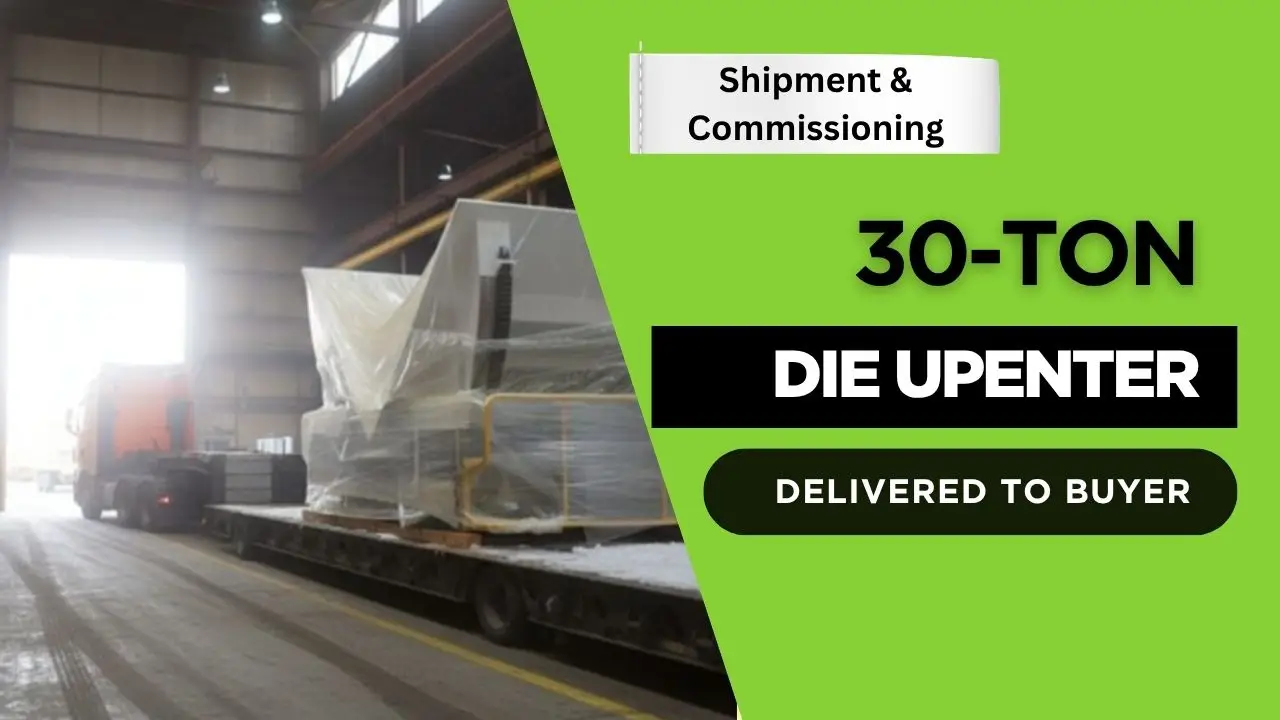
After months of engineering collaboration, design validation, and customer sign‑off, the 30‑ton die upender project moved into its final and most visible stage: shipment, installation, commissioning, and operator training. This is where the planning becomes reality — where a machine transitions from a CAD model to a fully operational asset on the customer’s production floor. For MetalPress Machinery, this phase is not just about delivering equipment; it’s about delivering confidence, safety, and long‑term reliability.
👉 Before we dive in, this article builds on the earlier stages of the project. If you haven’t yet read how the collaboration began, you can revisit Phase 1: Initial Contact, Design & Assembly, and for the engineering journey, see Phase 2: Engineering, Inspections & Pre-Commissioning.
Preparing the Machine for Shipment
Once fabrication and internal quality checks were complete, the upender entered the pre‑shipment preparation stage, a structured process designed to ensure the equipment arrives safely and ready for installation.
Pre‑shipment steps
Final quality inspection: Verifying weld integrity, hydraulic connections, electrical routing, and platform alignment.
Functional dry‑run testing: Running the upender through its full rotation cycle without load to confirm smooth motion and control responsiveness.
Hydraulic system pressure testing: Ensuring cylinders, hoses, and valves maintain stable pressure under simulated load.
Electrical panel verification: Checking wiring, labeling, and safety interlocks.
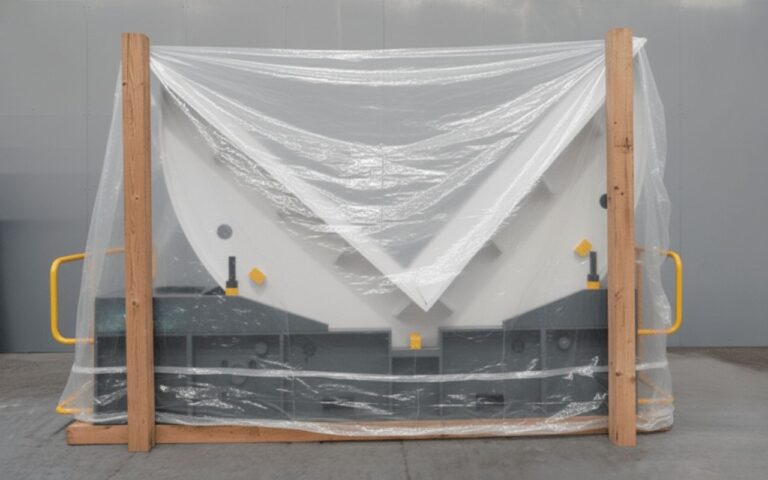
Surface protection and corrosion prevention: Applying protective coatings for transport and long‑term durability.
Every step is documented in a shipment readiness report, giving the customer full transparency into the machine’s condition before it leaves our facility.
👉 View our Die Upender products MDR Deries and fill the request for information form for any question you have.
Crating, Loading & Logistics Coordination
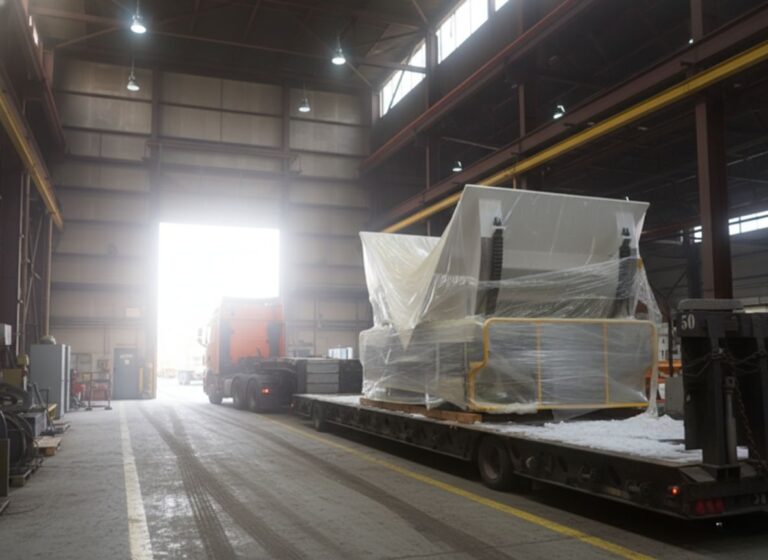
A 30‑ton‑capacity die upender is not a small piece of equipment — and transporting it requires careful planning. MetalPress works with specialized heavy‑equipment carriers to ensure safe and compliant delivery.
Logistics highlights
Custom steel‑reinforced crating to protect the frame and hydraulic components.
Load‑balanced forklift pockets and lift points clearly marked for safe handling.
Secured hydraulic and electrical components to prevent vibration damage during transit.
Route planning for oversized freight including permits and carrier coordination.
Real‑time shipment tracking so the customer knows exactly when to expect delivery.
By the time the truck leaves our facility, the machine is fully protected, documented, and ready for installation.
Arrival at the Customer’s Facility
When the upender arrived at the plastics manufacturing plant in South Deerfield, Massachusetts, the customer’s team had already prepared the installation area based on the layout drawings provided during Phase 2. This preparation included:
Site readiness tasks
Clearing floor space and access paths for rigging equipment.
Marking anchor locations according to the installation footprint.
Ensuring electrical supply availability for the control panel.
Verifying hydraulic fluid storage and handling for commissioning.
Coordinating personnel availability for installation and training.
This proactive preparation allowed the installation to begin immediately upon delivery.
Rigging & Positioning the Upender
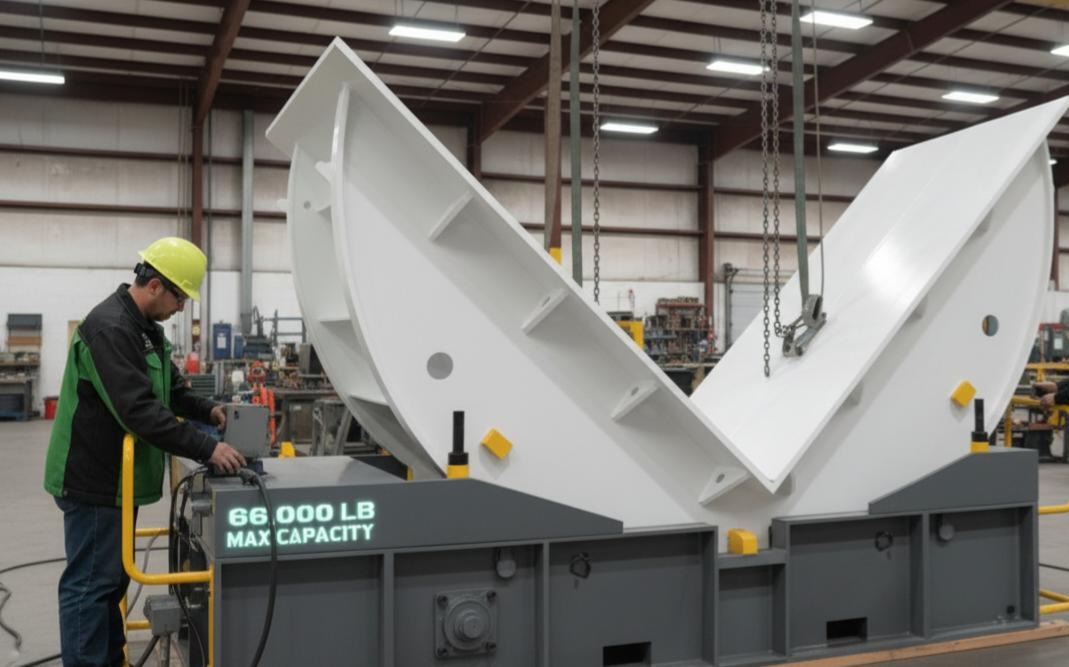
Installing a machine designed to flip 30‑ton dies requires precision and experience. MetalPress technicians worked alongside a certified rigging crew to position the upender safely and accurately.
Installation steps
Uncrating and inspection to verify the machine arrived in perfect condition.
Rigging with overhead cranes and forklifts using designated lift points.
Positioning the machine according to the approved floor layout.
Leveling and alignment to ensure stable operation and even load distribution.
Anchoring the frame using high‑strength bolts and torque‑verified fasteners.
Once anchored, the machine was ready for hydraulic and electrical integration.
Hydraulic & Electrical Integration
With the upender in place, the next step was connecting the hydraulic and electrical systems. This stage is critical for ensuring safe, predictable operation.
Integration tasks
Hydraulic reservoir filling with manufacturer‑approved fluid.
Bleeding the hydraulic lines to remove air pockets and ensure smooth cylinder motion.
Connecting the control panel and verifying all wiring against schematics.
Testing safety interlocks including emergency stops and guarding sensors.
Verifying pressure settings to match the customer’s die weights and rotation requirements.
Once integration was complete, the machine was ready for commissioning.
Commissioning: Bringing the Machine to Life
Commissioning is where the upender transitions from a static installation to a fully functional system. MetalPress technicians follow a structured commissioning protocol to ensure every component performs as designed.
Commissioning procedures
Initial power‑on checks to confirm electrical stability.
Hydraulic warm‑up cycle to bring the system to operating temperature.
No‑load rotation testing to verify smooth, controlled motion.
Load simulation testing using weighted blocks to mimic die mass.
Full‑load flipping test with one of the customer’s actual molds.
Control panel calibration for speed, torque, and stopping positions.
Safety validation including interlocks, guarding, and emergency stops.
By the end of commissioning, the machine was fully operational and ready for daily use.
Operator Training: Building Confidence & Safety
A machine is only as effective as the people who operate it. That’s why MetalPress includes comprehensive training as part of every installation.
Training modules
Machine overview and safety principles
Control panel operation including pendant and fixed‑panel modes
Loading and unloading procedures for different die geometries
Best practices for die alignment before and after flipping
Emergency stop and recovery procedures
Daily inspection and maintenance routines
Troubleshooting common issues such as hydraulic pressure fluctuations
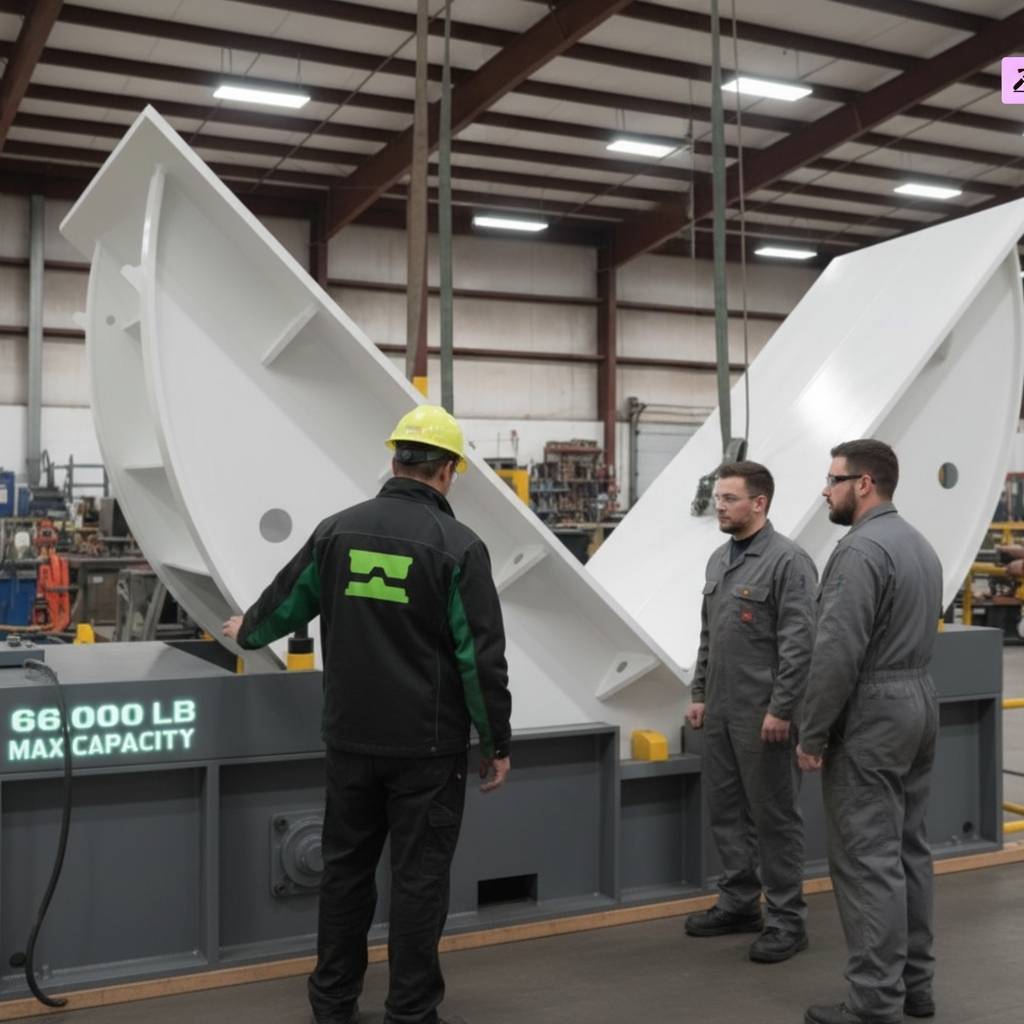
Training included both classroom‑style instruction and hands‑on operation with real molds. By the end of the session, operators were confident, comfortable, and fully prepared to use the upender safely.
Results: A Safer, Faster, More Reliable Workflow
Within the first week of operation, the customer reported measurable improvements:
Early results
Reduced die flipping time from multi‑person manual handling to a single‑operator process.
Improved operator safety by eliminating forklift‑based flipping.
More consistent die alignment after rotation.
Less downtime during mold changes thanks to predictable, repeatable motion.
Higher overall equipment efficiency across the production line.
The 30‑ton die upender quickly became a core part of their daily operations.
Let Us Make the Right Die Upender for You
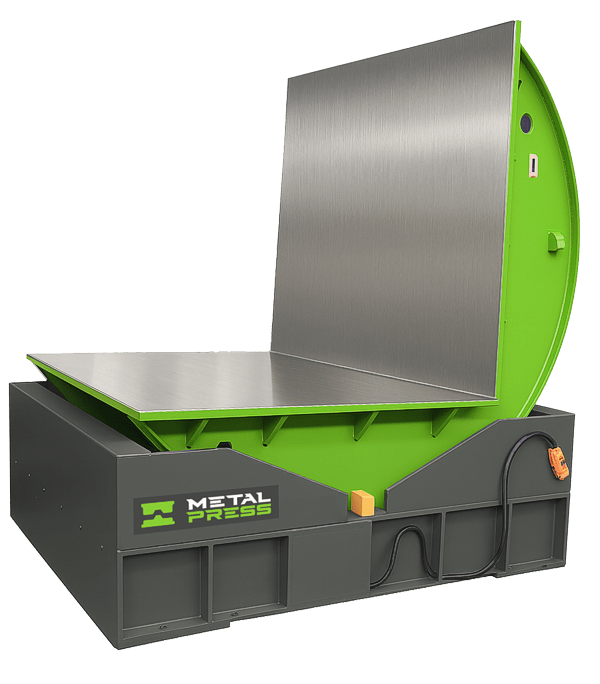
Whether you’re handling heavy molds, dies, or tooling, our MDR Series Die Upenders are engineered for safety, precision, and efficiency.
Each unit is assembled to meet your exact load capacity, workspace, and operational requirements which is delivering smooth, stable rotation and long-term reliability.
More information about this die upender
For more information about our other products