
MOLD & DIE TRANSFER CART
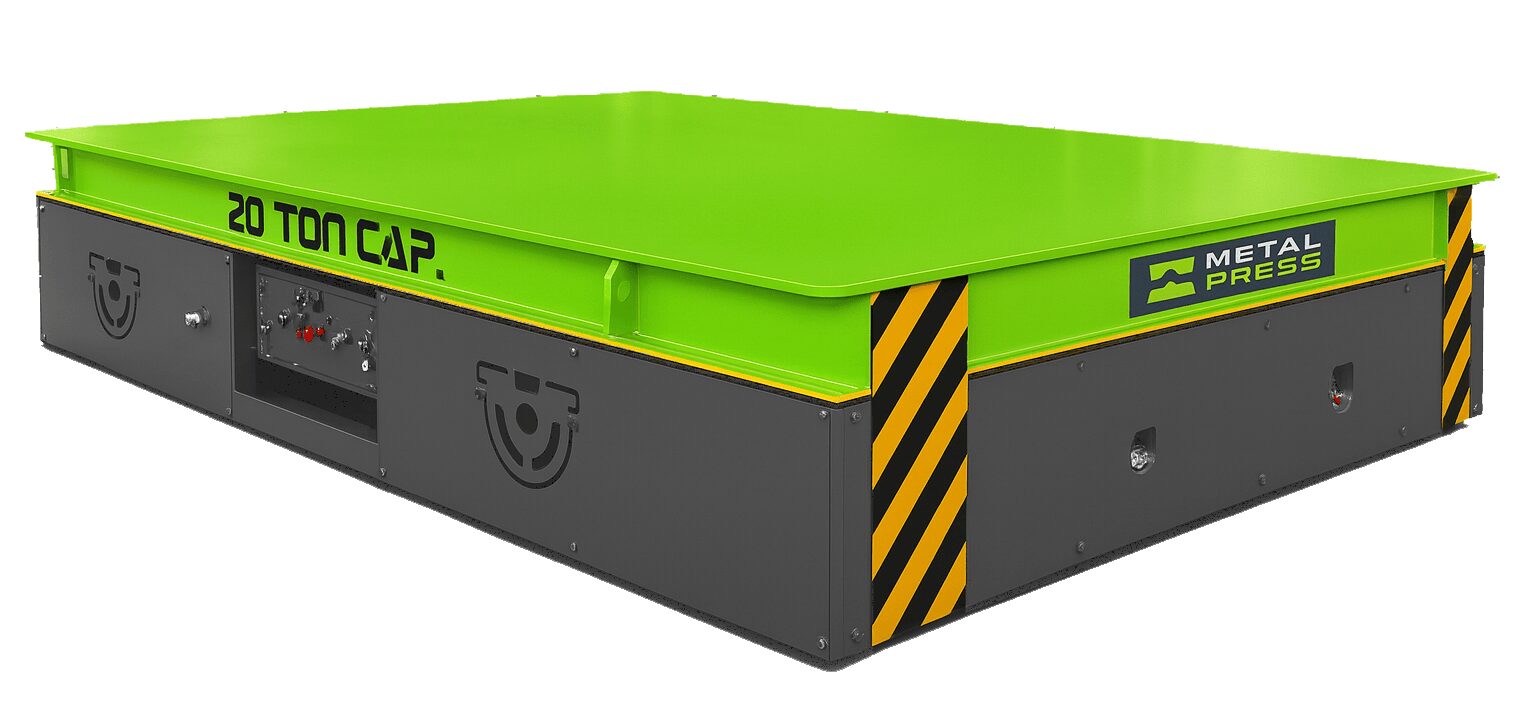
MOLD & DIE TRANSFER CART
Our heavy-duty Mold Die Transfer Carts – MMC Series – are built to handle the safe and efficient movement of large dies and molds across your facility. Designed to eliminate the risks of manual handling and unsafe transport methods, these carts streamline die changes, reduce downtime, and improve overall productivity. With robust construction and smooth operation, they provide a reliable solution for transferring heavy dies between presses, storage, and maintenance areas while protecting workers and equipment.
TECHNICAL OVERVIEW OF DIE TRANSFER CART
A mold and die transfer cart is engineered to safely move heavy dies, molds, and tooling between storage areas, toolrooms, and production equipment without relying on forklifts or manual handling. These carts provide a stable, low‑profile platform that supports the full weight of the die, reducing the risk of tipping, shifting, or accidental drops. With smooth‑rolling wheels, reinforced frames, and optional powered drive systems, transfer carts streamline die changeovers and eliminate the hazards associated with lifting or dragging tooling. They also help maintain die integrity by preventing impact damage, misalignment, and surface wear. For stamping plants, molding facilities, and high‑mix production environments, a die transfer cart ensures safer workflows, faster changeovers, and more organized tooling movement. MetalPress Machinery is a top die cart manufacturer providing heavy duty die carts as well.
A die transfer cart offers a safer, more controlled alternative to moving dies with forklifts, pallet jacks, or improvised equipment. Forklifts can cause unstable loads, chipped die shoes, and accidental collisions, while manual handling exposes operators to strain and injury. A transfer cart eliminates these risks by providing a stable, purpose‑built platform designed specifically for heavy tooling. Many carts include features such as push‑pull mechanisms, powered drive systems, locking wheels, and precision alignment surfaces that make die movement smooth and predictable. This reduces downtime, prevents tooling damage, and improves overall workflow efficiency. For facilities that value safety, repeatability, and reduced handling risk, a die transfer cart is the professional solution.
The mold and die transfer cart is built for durability, stability, and ease of use in demanding industrial environments. Its heavy‑duty steel frame supports large dies and molds, while the low‑profile deck allows easy loading from racks, upenders, or press setups. Many models offer powered drive systems, hydraulic lift tables, push‑pull mechanisms, and precision alignment guides to simplify die positioning. Safety features may include wheel locks, anti‑slip surfaces, and ergonomic controls that reduce operator strain. The cart integrates seamlessly with die upenders, die racks, and pressroom workflows, making it a central component of efficient tooling management. By reducing manual handling and forklift dependency, the die transfer cart enhances safety, protects tooling investments, and accelerates changeovers.
HEAVY DUTY CONSTRUCTION
Made to Stand Up to Constant Use.
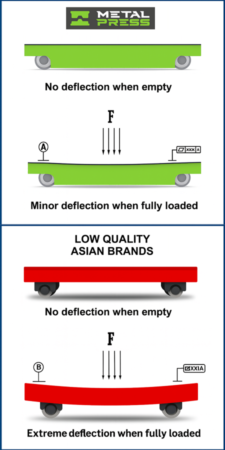
Our die / mold transfer carts are made of robust reinforced welded steel construction which has minor deflection when under full load.The carts are driven by dual direct drive gear motors.Heavy-duty sealed bearings help the wheelssupport the load.
ALL ELECTRIC
Smooth Operation
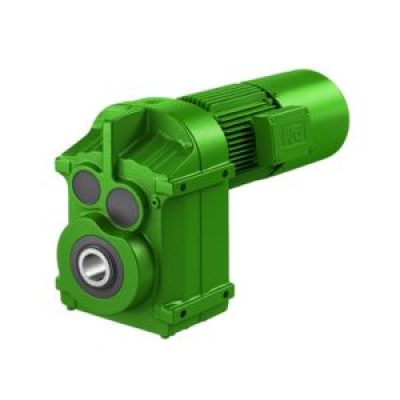
We use a dual electric-powered gear motors that drive two wheels which provide smooth and safe travel and rotation.A brake motor and gear reducer provide a smooth drive and rotation without jerking or sudden speed changes which could destabilize the load
FLEXIBLE MOVEMENT
Any Direction You Need
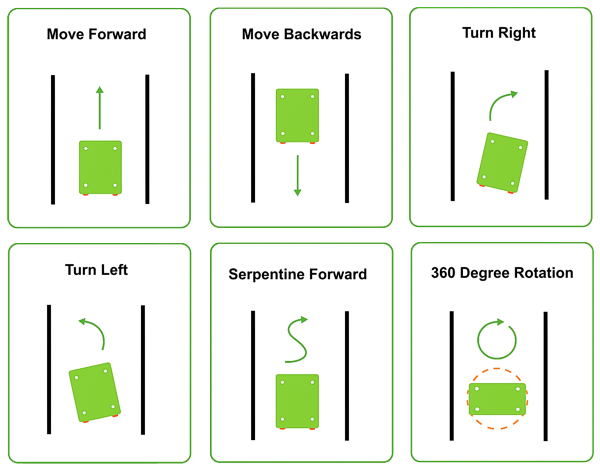
Our Die / Mold transfer carts can move in virtually any direction and can fit into tight places.
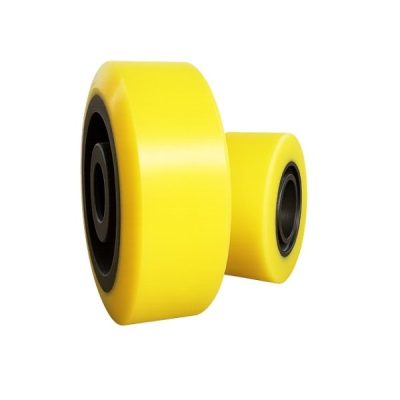
POLYUREHANE WHEELS
Smooth Ride
Solid polyurethane wheels offer high load capacity, durability,and floor protection. They resist chemicals, reduce noise, and provide excellent traction,making them ideal for die transfer carts. Reliable, safe, and long-lasting, they ensure smooth,damage-free movement of heavy items.
STANDARD REMOTE WIRELESS CONTROL
Safe Operation at a Distance
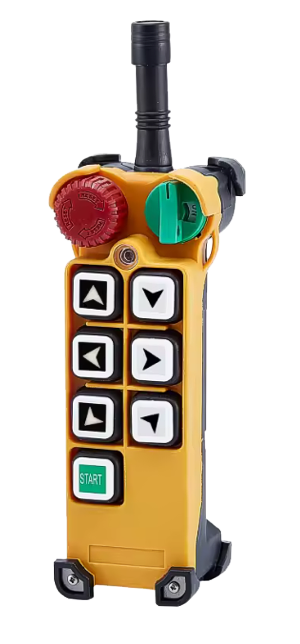
Our Die / Mold transfer carts come standard with an easy-to-use wireless remote control that can be used at a safe distance away from the cart. An upgraded joystick version is available as an option.
SAFETY FIRST
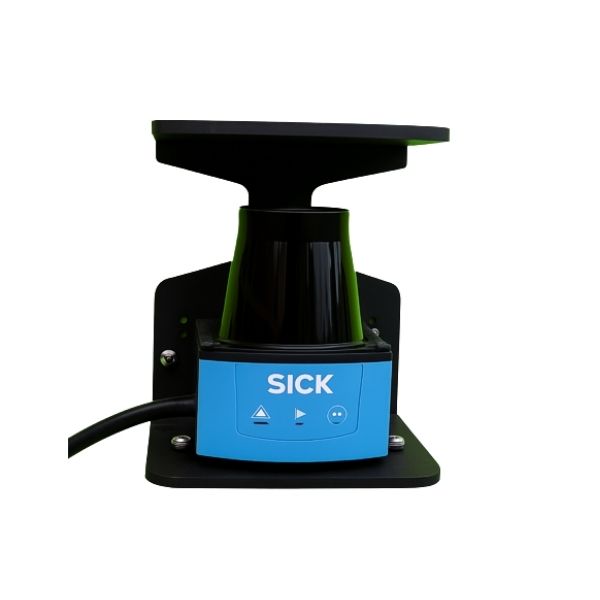
Lidar Laser Scanner
Our carts feature a lidar sensor which emits laser beams in ascanning plane, measuring reflected signals from surrounding objects. It calculates distance and angle using time-of-flight or phase-shift methods,creating a precise 2D map. This enables reliable detection,obstruction avoidance,measurement, navigation, and safety monitoring in virtually any industrial environment.
SIMPLIFIED CONTROL PANEL
Easy Access
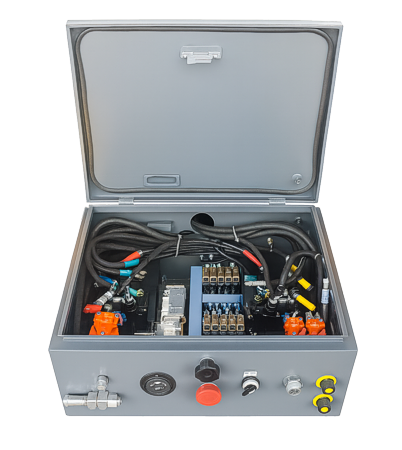
The control pane sides out of the cart and the design has been simplified not only to allow or easier access but also easier maintenance.

STANDARD LEAD ACID BATTERIES
Durable and dependable power
Lead-acid batteries provide a cost-effective, reliable power source for die transfer carts. Known for durability and high load capacity, they deliver consistent energy for heavy-duty operations. With proven technology, easy maintenance,and wide availability, lead-acid batteries ensure dependable performance, long service life,and lower up front investment compared to alternatives.
STANDARD FEATURES INCLUDED
| Item | Price |
| Fast Operation | Included |
| Easy to Use | Included |
| Simple to Maintain | Included |
| Safer to Use Than Conventional Methods | Included |
| Can be Used for Dies or Molds | Included |
| Can be Used for Other Heavy Loads | Included |
| Voltage Choice: 380V, 50 Hz, 3 ph, 480V, 60 Hz, 3 ph, 575V, 60 Hz, 3 ph | Included |

HIGH QUALITY COMPONENTS
We Use Brand Name Components You Know, Already Use and Trust.
We use only the finest quality components that are open source, and readily available locally in your area, or from our online parts store.We do not use any impossible to find proprietary components.
HIGHEST RETURN ON INVESTMENT
We Give You More Value for Your Money.
To be competitive today’s economy requires that manufactures run their operations more efficiently and cost effectively than ever before. We offer the highest ROI (return on investment) in the industry. MetalPress gives you high quality products for are resonable investment and with more features than any other company

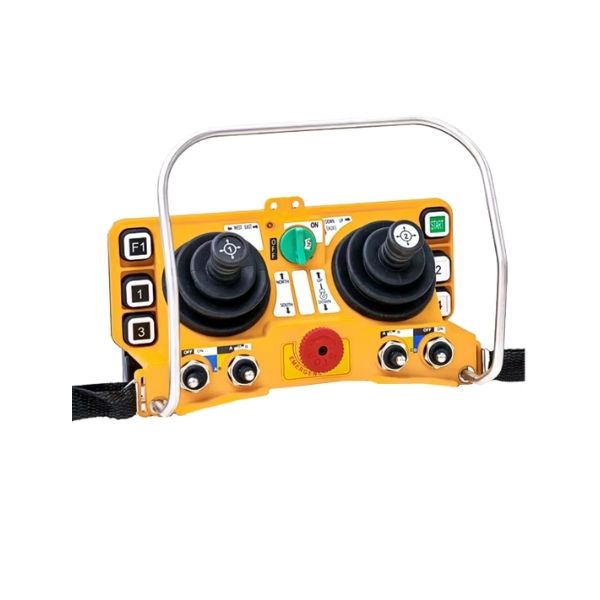
JOYSTICK CONTROL
Ergonomic control
This optional joystick pendant offers precise, ergonomic control for die transfer carts. Dual joy sticks ensure smooth,multi directional movement. Improves efficiency, and giving operators greater confidence when moving and positioning heavy dies.
It can be suspended from the neck with the included strap, thus freeing up both hands.
RUBBER COVER
Added Load Protection
Our optional rubber cover enhances safety and performance by providing slip resistance, protecting dies from impact damage, reducing vibration, and minimizing noise during movement. It also shields the cart surface from wear,extends equipment life, and improves handling stability for heavy industrial applications.

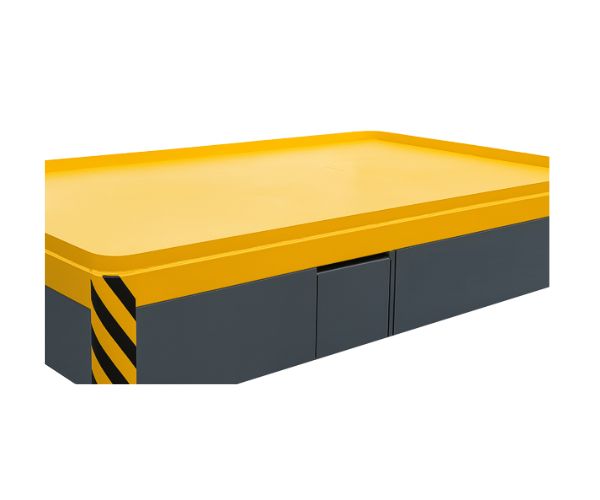
SAFETY EDGE
Add Worker Protection
Depending on your circumstances our optional full perimeter safety edge may be a good option for added worker protection and uneven floors
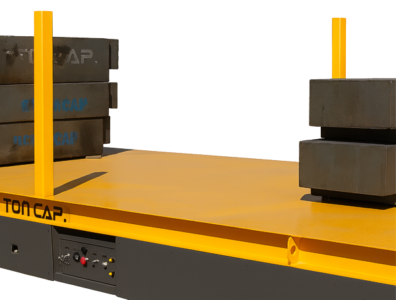
SAFETY RAILS
Add Worker Protection
Our MMC Series is available with a total of four optional safety rails on both sides for added worker protection and safety incase the load shifts.The rails are removable
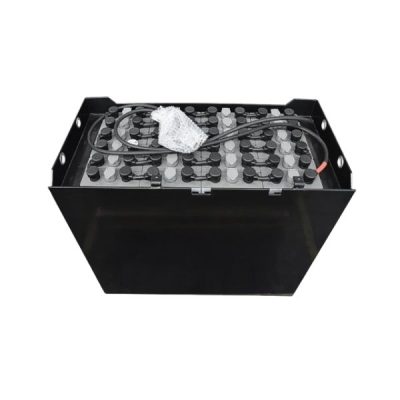
LITHIUM BATTERIES
Faster Charging
Optional lithium batteries deliver superior performance for die transfer carts with longer lifespan, faster charging, and higher energy efficiency. They reduce downtime, require minimal maintenance, and offer lighter weight for improved mobility. With consistent power output and advanced safety features, lithium batteries provide a sustainable, cost-saving solution for demanding industrial operations.
COLOR OPTIONS
Two standard colors are avaliable.

EIGHT STANDARD SIZES
Flexible Range of Applications.
Available from 2 tons all the way up to 50 tons
| Model | Load Capacity (tons) | Table Size (A) x (B) (in) | Table Height (H) (in) |
| MCC-2 | 2.2 | 78.7 x 59 | 17.7 |
| MCC-5 | 5.5 | 130 x 78.7 | 17.7 |
| MCC-10 | 11 | 141.7 x 78.7 | 19.7 |
| MCC-15 | 16.5 | 157.5 x 86.6 | 23.6 |
| MCC-20 | 22 | 157.5 x 86.6 | 23.6 |
| MCC-30 | 33 | 177 x 86.6 | 23.6 |
| MCC-40 | 44 | 216.5 x 86.6 | 27.6 |
| MCC-50 | 55 | 236.2 x 90.6 | 27.6 |
| Model | Load Capacity (tonnes) | Table Size (A) x (B) (mm) | Table Height (H) (mm) |
| MMC-2 | 2 | 2000 x 1500 | 450 |
| MMC-5 | 5 | 3300 x 2000 | 450 |
| MMC-10 | 10 | 3600 x 2000 | 500 |
| MMC-15 | 15 | 4000 x 2200 | 600 |
| MMC-20 | 20 | 4000 x 2200 | 600 |
| MMC-30 | 30 | 4500 x 2200 | 650 |
| MMC-40 | 40 | 5500 x 2300 | 700 |
| MMC-50 | 50 | 6000 x 2300 | 700 |
Applications of the Mold & Die Transfer Cart
The primary application of a mold and die transfer cart is safely moving heavy tooling between storage areas, toolrooms, and production equipment. Dies and molds are extremely dense and difficult to maneuver, and improper handling can lead to tipping, shifting, or accidental drops. The transfer cart provides a stable, low‑profile platform that fully supports the load, reducing the risk of damage and injury. This makes it ideal for stamping plants, injection‑molding facilities, and any operation that handles large, high‑value tooling. By standardizing die movement, the cart improves safety, reduces downtime, and protects tooling investments.
Die transfer carts play a critical role in pressrooms where dies must be moved quickly and safely during changeovers. The cart allows operators to position dies precisely at the press entrance, reducing the need for forklifts or manual lifting. Many carts include push‑pull mechanisms or alignment guides that help slide the die into place smoothly. This reduces setup time, prevents die shoe damage, and improves overall workflow efficiency. For facilities running frequent die changes, the transfer cart becomes an essential tool for maintaining productivity and minimizing downtime.
In toolrooms, dies and molds often need to be transported to workbenches, inspection stations, or maintenance areas. A transfer cart provides the controlled movement required to handle tooling safely during these transitions. The stable platform prevents shifting or impact damage, while the low deck height makes loading and unloading easier. Whether technicians are cleaning, repairing, or inspecting tooling, the cart ensures safe, efficient movement throughout the toolroom. This reduces strain on personnel and helps maintain the precision and longevity of the tooling.
Die transfer carts integrate seamlessly with die upenders, die racks, and storage shelves. Many operations use the cart as the central link between tooling storage and production equipment. The cart allows dies to be positioned correctly for upending, racking, or shelving without relying on forklifts or manual repositioning. This improves material flow, reduces handling steps, and minimizes the risk of misalignment or accidental damage. For facilities with organized die‑storage systems, the transfer cart is a key component of efficient tooling logistics.
Injection‑molding operations often require molds to be transported between storage, maintenance, and molding machines. These molds can be extremely heavy and awkward to maneuver, making manual handling unsafe. A mold transfer cart provides a stable, reinforced platform that supports the mold’s weight and allows smooth, controlled movement across the facility. This reduces the risk of mold damage, improves operator safety, and speeds up mold changeovers. For molding plants with frequent tooling swaps, the transfer cart is an essential part of daily operations.
Some tooling—especially in automotive, appliance, or heavy‑gauge forming applications—has irregular shapes or uneven weight distribution. These tools are difficult to move with forklifts or pallet jacks. A die transfer cart provides a wide, stable deck that accommodates unusual shapes and supports the load evenly. This prevents tipping, shifting, and surface damage. Facilities that handle oversized or non‑standard tooling rely on transfer carts to ensure safe, predictable movement without compromising tooling integrity.
Frequently Asked Questions About Mold & Die Transfer Cart
A mold and die transfer cart is essential because it eliminates the risks associated with moving heavy tooling using forklifts, pallet jacks, or manual methods. Dies and molds are extremely dense, and even slight shifts during transport can cause tipping, surface damage, or serious injury. A transfer cart provides a stable, low‑profile platform that fully supports the load, ensuring smooth, controlled movement across the facility. This reduces the chance of collisions, dropped tooling, and operator strain. For stamping plants, molding facilities, and toolrooms, the transfer cart is a critical safety tool that protects both personnel and high‑value dies.
A transfer cart is designed to handle a wide range of tooling, including stamping dies, injection molds, progressive dies, transfer dies, deep‑draw tooling, and large precision molds. Its reinforced steel frame supports both compact and oversized tooling, as well as irregularly shaped or unevenly weighted dies. Because the cart distributes weight evenly, it prevents damage to die shoes, guide pins, and precision surfaces. Whether used in a pressroom, molding facility, or toolroom, the transfer cart provides reliable, repeatable handling for virtually any die or mold type.
A die transfer cart improves workflow efficiency by streamlining the movement of tooling between storage, maintenance, and production equipment. Instead of relying on forklifts or multiple operators, the cart allows a single operator to move heavy dies safely and consistently. Many carts include push‑pull mechanisms, powered drive systems, or alignment guides that make positioning faster and more precise. This reduces setup time, minimizes bottlenecks, and accelerates die changeovers. For facilities with frequent tooling swaps, the transfer cart becomes a key component of lean, efficient pressroom or molding operations.
Yes — transfer carts integrate seamlessly with die upenders, die racks, storage shelves, and press setups. Many operations use the cart as the central link between tooling storage and production equipment. The cart’s low‑profile deck allows easy loading from upenders or racks, while its stable platform ensures proper alignment when positioning dies at the press. This reduces the risk of misalignment, impact damage, or uneven loading. Whether used as a standalone tool or part of a coordinated die‑handling system, the transfer cart enhances safety, consistency, and workflow organization.
Yes — mold and die transfer carts are available to customers throughout the United States, Canada, and Mexico. Many North American manufacturers rely on these carts to improve safety, protect tooling investments, and streamline die‑handling operations. Regional availability ensures faster delivery, reliable technical support, and easy access to replacement parts. Customers can choose from multiple weight capacities, deck sizes, and optional features such as powered drive systems or hydraulic lift tables. Whether you operate a stamping plant, molding facility, or toolroom, North American‑supplied transfer carts provide dependable performance and long‑term support.
Related Projects & Posts
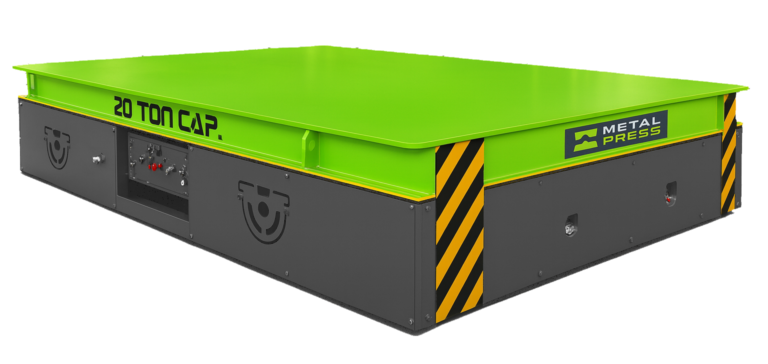
WHAT IS A DIE UPENDER USED FOR IN MANUFACTURING?
Learn where die upenders and heavy tooling-handling systems fit in manufacturing, maintenance, staging, and safer die movement.
DIE UPENDER SAFETY FEATURES: HOW HEAVY DIE TURNING SYSTEMS REDUCE RISK
Review safety features that reduce risk when rotating or moving heavy dies, molds, and tooling around production areas.
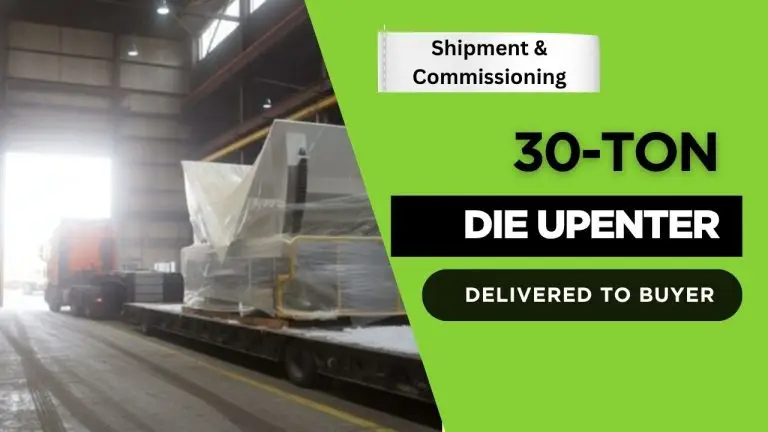
A 30-TON JOURNEY: FROM EXPO ENCOUNTER TO A COMPLETE DIE UPENDER SHIPMENT & COMMISSIONING
See a real 30-ton die upender shipment and commissioning project for practical equipment-planning context.
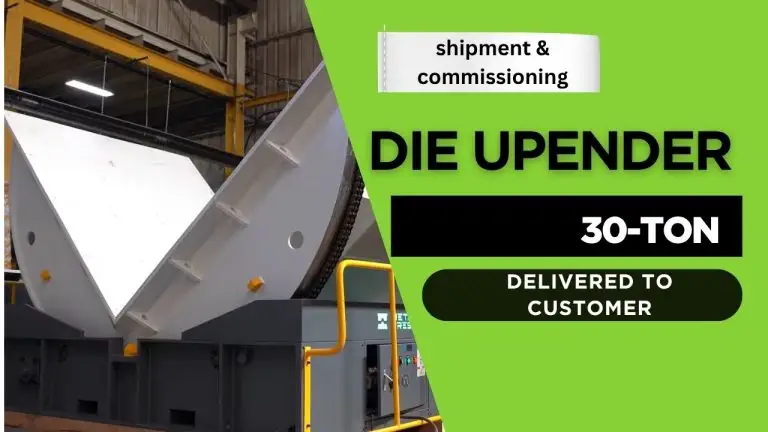
A 30-TON JOURNEY: FROM EXPO ENCOUNTER TO A COMPLETE DIE UPENDER TESTING & FINALIZING
Review testing and finalizing steps for a 30-ton die upender before delivery.
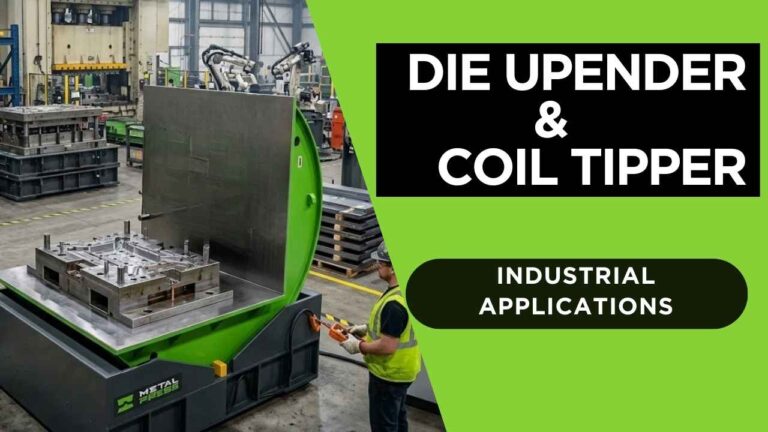
THE GRAVITY-DEFYING ROI: A COMPREHENSIVE GUIDE TO DIE UPENDERS AND COIL TIPPERS INDUSTRIAL APPLICATIONS
Compare industrial applications where upenders, tippers, and heavy-load handling systems improve safety, flow, and return on investment.
Engineering Fit Notes
A mold die transfer cart helps move heavy dies and molds between storage, presses, maintenance areas, and production cells with better control than manual handling. For die changeover and tool room handling, buyers should compare capacity, deck height, powered movement, rail or floor travel, safety features, and how the cart aligns with the press or molding machine. This makes mold handling more predictable, reduces downtime between setups, and supports safer movement of large tooling across the plant.