
ALUMINUM SHEET METAL FABRICATION
Prepare aluminum blanks and formed panels around alloy, temper, bend radius and surface quality.

Fabrication Equipment for Aluminum Sheet Metal Fabrication
Aluminum sheet fabrication equipment should be reviewed against alloy, temper, thickness, bend geometry and surface requirements. Panels, covers, trays and folded housings need a blank-cutting and bending plan that considers formability, finished dimensions and handling marks. Do not treat all aluminum stock as one interchangeable material.
Review MGS guillotine shear, Titan CNC press brake against the actual drawings, material and production requirements. Find related workflows in the fabrication applications hub.
Aluminum sheet shearing and aluminum sheet bending applications need the approved flat pattern and material specification. For a proposed folded panel, identify cosmetic faces and the specified radius, then review tooling and handling for that alloy and temper before confirming the setup.
Match the Setup to Alloy & Temper
Specify alloy, temper and thickness before choosing a bend radius or machine setup. Review the proposed material with the finished geometry and required surface condition.
Aluminum Blank & Strip Preparation
Plan straight-cut blanks using the approved flat pattern, reference edges and required squareness. Include narrow strips, cut-piece support and cosmetic faces in the cutting list.
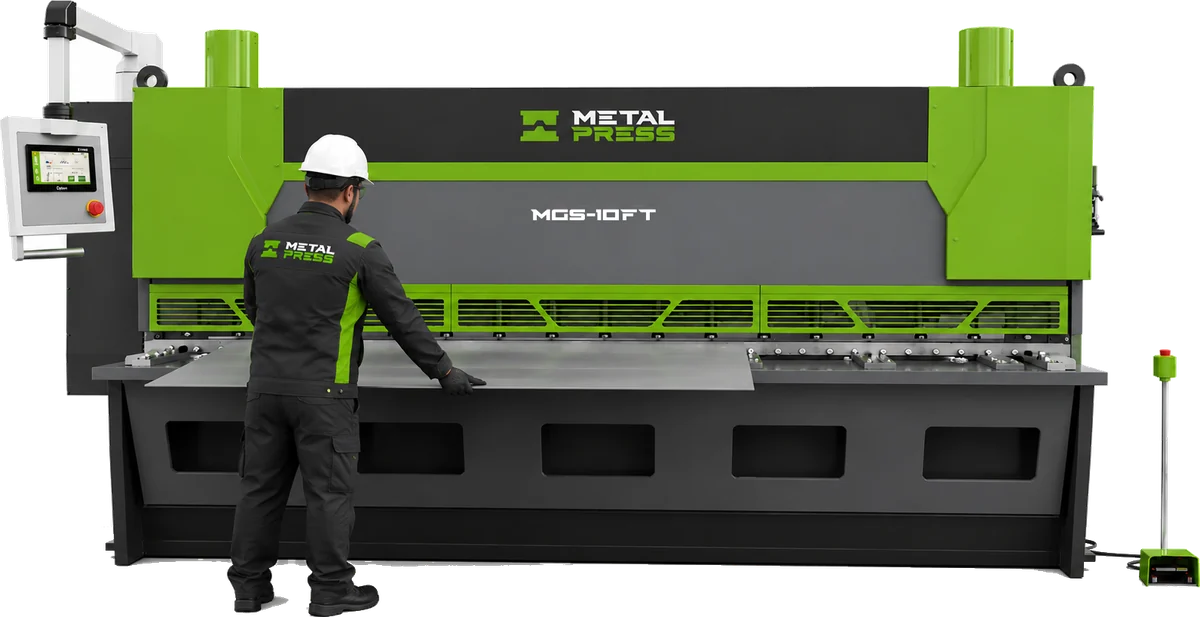
Review MGS material-specific cutting capacity and setup for the supplied stock. Curved profiles, internal openings and complex contours require an appropriate separate process.
View MGS guillotine shear models and specifications for the relevant equipment configuration.
Bending Aluminum Panels & Profiles
Define bend radius, flange lengths, part envelope and the dimensions controlling assembly. Formability depends on the material specification and geometry.
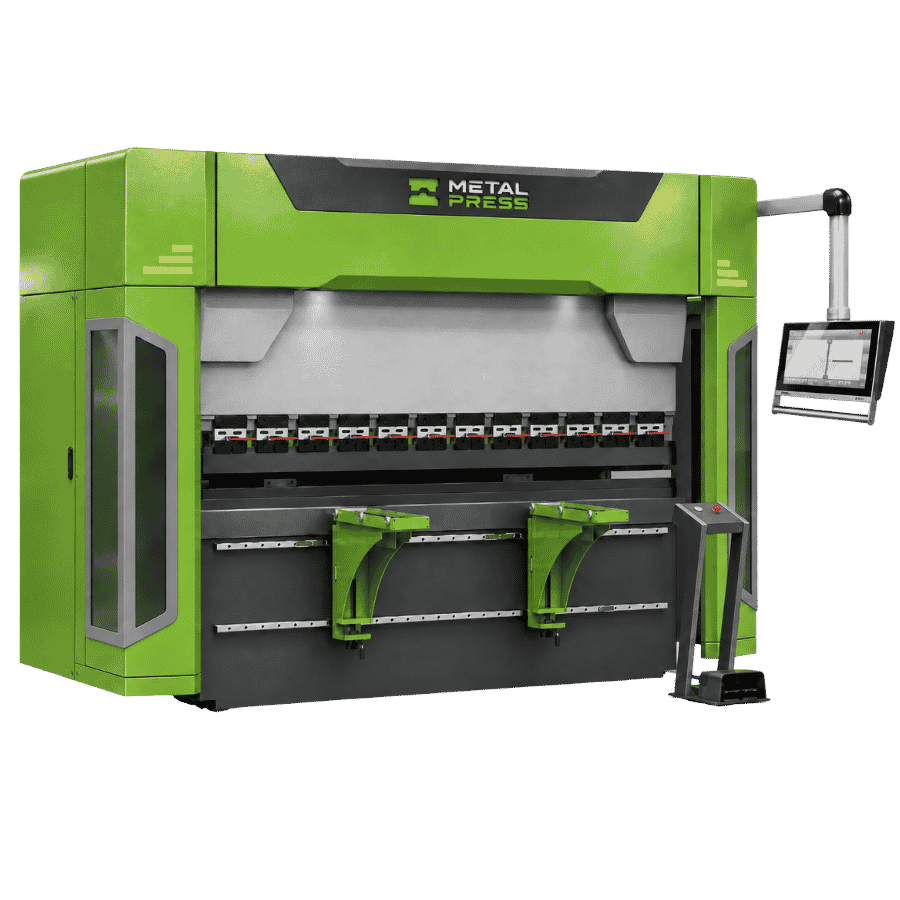
Review Titan tooling, force, backgauge access and support against the drawing. Establish a first-part setup using representative alloy and temper rather than carrying over a steel recipe.
View Titan CNC press brake models and specifications for the relevant equipment configuration.
Plan the Aluminum Sheet Metal Fabrication Workflow
Material & flat-pattern review
Confirm alloy, temper, thickness and any specified direction. Approve the flat pattern and bend allowances before cutting production blanks.
Surface protection
Identify cosmetic faces and acceptable tool marks. Review protective film, contact surfaces, deburring and the transfer route between machines.
Forming sequence
Plan bend order, tool access and removal of the formed component. Check return flanges and narrow sections against the actual tool arrangement.
First-part acceptance
Inspect dimensions, angles, bend condition and surface finish. Record material and setup details so repeat jobs use the approved combination.
Material & Application Requirements
A successful aluminum forming setup is specific to the alloy, temper, thickness and radius. Do not promise crack-free forming or a universal minimum radius without the material and part review. Confirm machine and tool ratings for the selected operation.
Related application planning: Multi-Bend Sheet Metal Parts and sheet and plate blank preparation.
Prepare Your Fabrication Enquiry
Provide alloy and temper, thickness, blank size, formed drawing, inside radii, finish requirements and tolerances. Include quantities, protective-film details and the largest panel to be handled.
Discuss your aluminum sheet metal fabrication requirements with MetalPress to review the machine configuration, tooling and production route.
Aluminum Sheet Metal Fabrication Questions
Temper influences the material’s forming behavior. Review it with alloy, thickness, bend radius and direction where specified before confirming the setup.
No. Confirm the material and geometry, then verify the proposed tooling and settings on representative stock.
Start with MGS guillotine shear, Titan CNC press brake. Compare the applicable ratings, tooling, access and support with the actual part drawing.
Provide alloy and temper, thickness, blank size, formed drawing, inside radii, finish requirements and tolerances. Include quantities, protective-film details and the largest panel to be handled.
PLAN YOUR NEXT
Share your drawings and material requirements to review equipment, tooling, access and handling for this application.